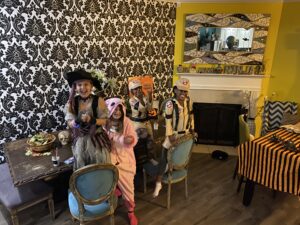
Helping Ninjas youth leaders are celebrating Halloween with virtual parties via zoom! Helping Ninja participants will learn about recycling with fun and engaging activities online and experience Trick Or Trash curriculum first hand! Helping Ninjas participants will discus ideas and thoughts on sustainability and be given opportunities to share to the group. Participants will create trick or trash art and learn about expression and the importance of creating awareness about learning to help the planet and reducing waste.
Have fun learning how to help our planet and have a happy, sustainable and sweet Halloween!
Meet other Helping Ninjas and have fun learning about helping the planet and discussing ways to celebrate and create a sustainable Halloween!
Learn about recycling through Rubicon and National Wildlife Federation’s Trick or Trash Online curriculum to help you learn why and how to help!
There are two dates for the Zoom parties: Friday October 30, 4pm (est time) and on Halloween: Saturday, October 31st 3pm (est time) registration is free and all ages. welcome!
Learn more about how Helping Ninjas are supporting Rubicon’s Trick Or Trash efforts and reducing waste to landfills this Halloween by recycling candy wrappers!
Learn more where and how to participate and drop off your empty candy wrappers to recycle this Halloween! Helping Ninjas are supporting Rubicon’s Trick Or Trash efforts and reducing waste to landfills in sixteen different cities across the United States!
Halloween is a night of fun, creativity, and treats for millions of people. This holiday can be scary not only for the haunted houses but also for the pollution it can create.
However, with a few tips, we can keep all the fun of our beloved holiday and cut a lot of the waste!
Candy
A lot of people’s favorite part of Halloween is all the candy! Eager tricker-treaters run from door to door collecting sweet treats and Halloween party hosts serve large amounts of candy. Most of this candy is individually wrapped in plastic. Unfortunately for us and our planet, it’s nearly impossible to recycle candy wrappers, until recently.
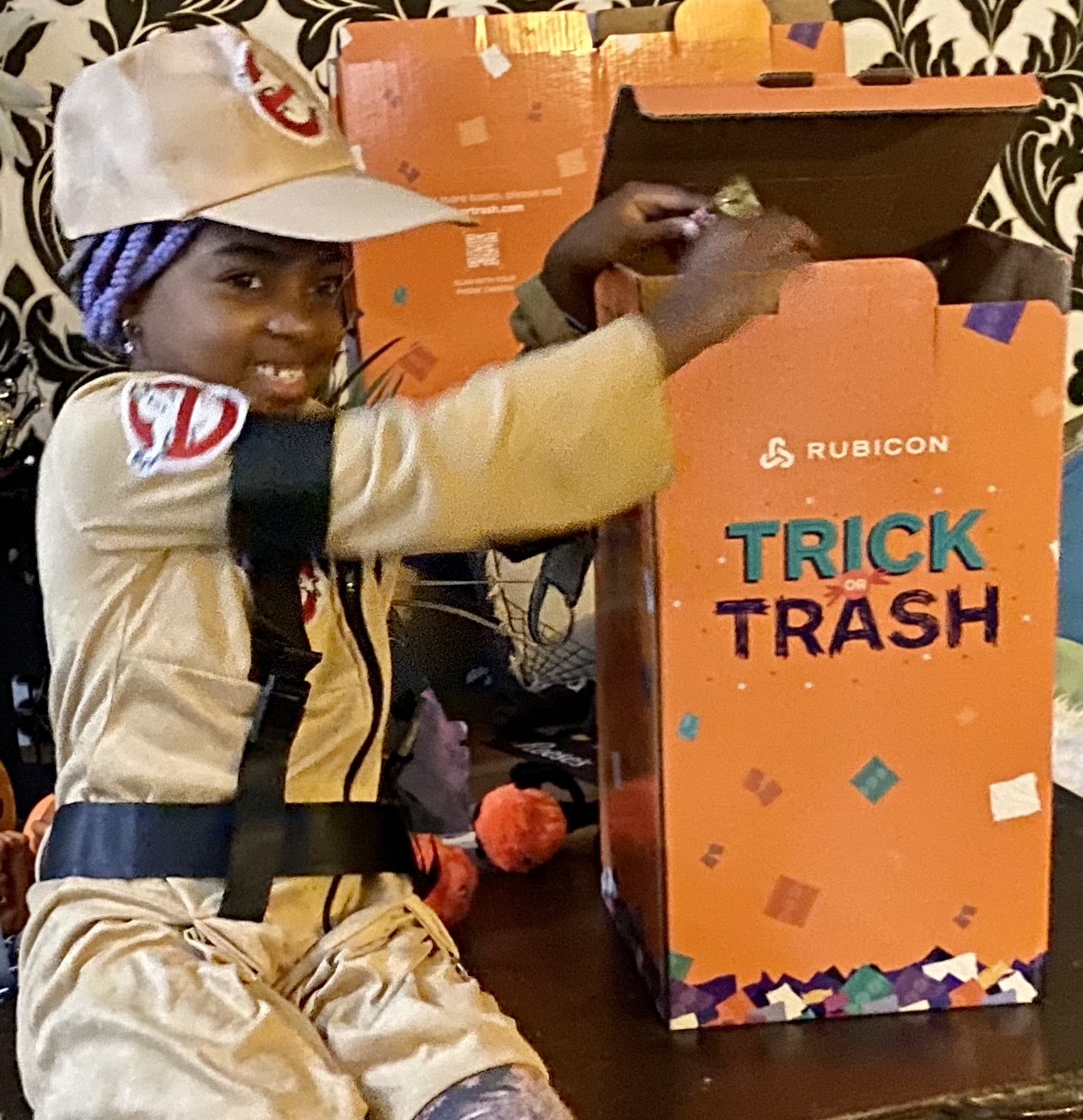
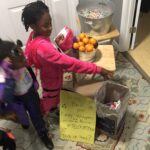
Helping Ninjas is supporting efforts of Rubicon’s Trick or Trash campaign this October to recycle candy wrappers in pre-paid, custom recycling boxes!
Rubicon is helping to make Halloween sweet and sustainable.
It is the second year for Helping Ninja’s participate in the Trick Or Treat campaign and a more reasonable option consumers now have to recycle candy wrappers! Click here to learn how you to can participate!
Candy wrappers along with other snack wrappers are not recyclable curbside. So, where do they go? You guessed it. Landfills.
It is estimated that approximately 600 million candy wrappers hit the landfills each year.
Where they will stay for hundreds, and maybe thousands of years! Think of all the candy wrappers in landfills today! Now that’s scary!
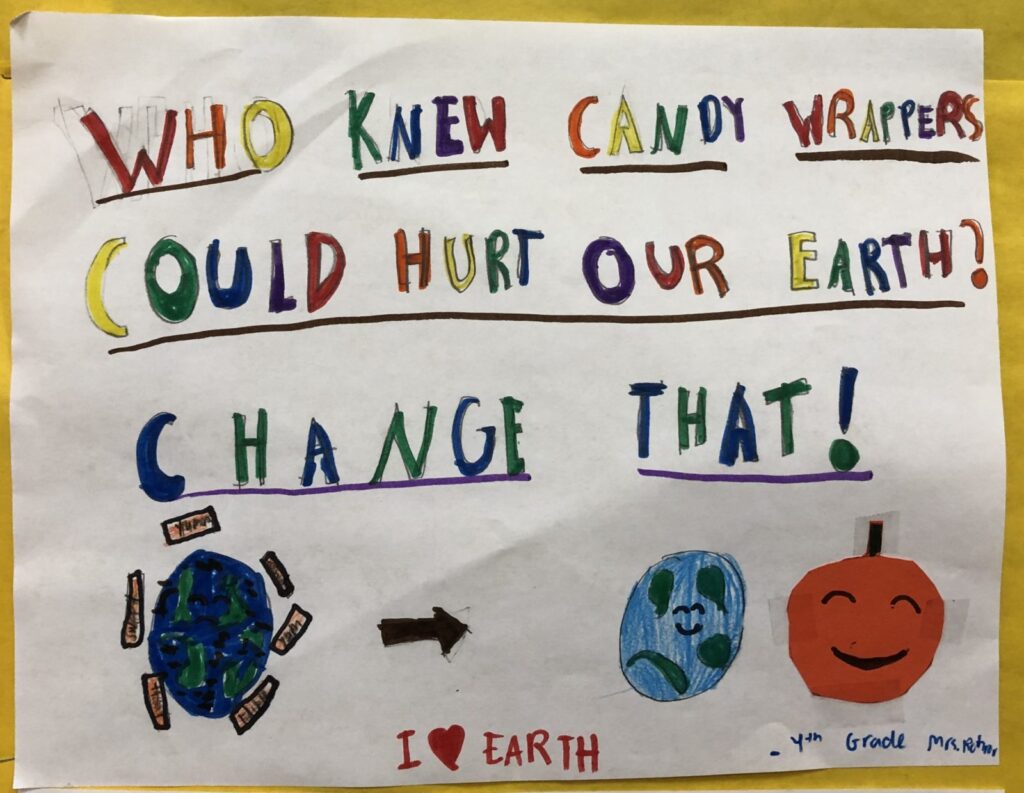
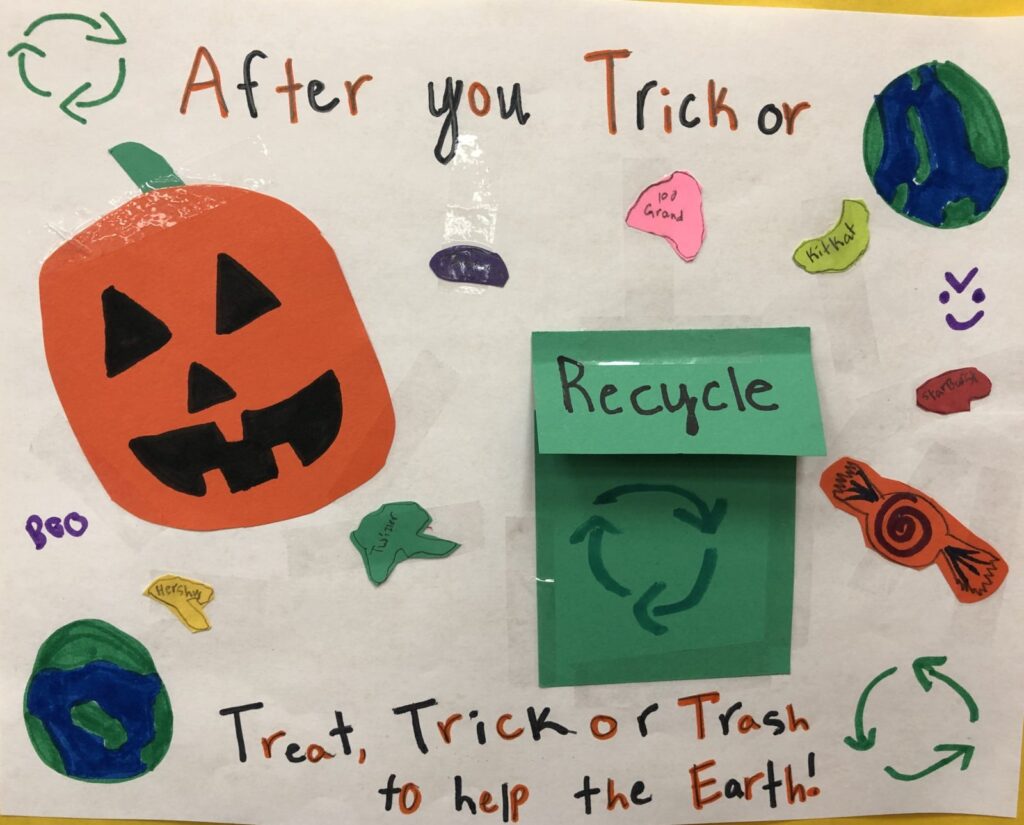
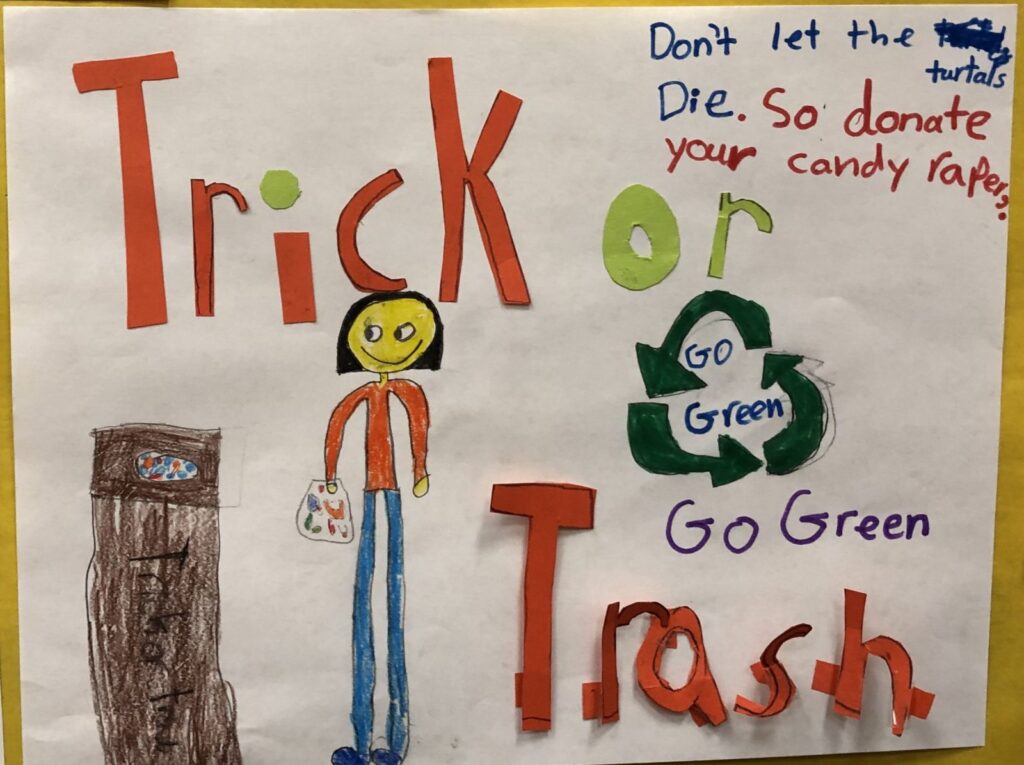
Just talking about the subject of plastic “waste” on Halloween can help, awareness is key. You can create Trick Or Trash Art to inspire others to learn how to help!
Rubicon & National Wildlife Federation‘s’ have created a curriculum for K-12 students at TrickOrTrash.com to help youth learn about the importance of recycling and reducing waste.
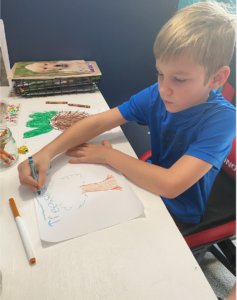
Helping Ninjas Trick Or Trash Art
Another way to reduce waste on Halloween is to choose candy that is packaged in paper boxes such as Nerds, Milk Duds, Dots, and Junior Mints.
If you’re hosting a Halloween party or even just figuring out what to eat on Halloween, there is so much potential to reduce waste!
Instead of offering individually wrapped candies, cook and serve Halloween treats such as candied popcorn, candied apples, cheesy pumpkin puffs, tangerine pumpkins, roasted pumpkin seeds, stuffed mushroom eyeballs, sausage mummies, pumpkin soup, or many other recipes.
As much as possible, get the ingredients for the recipes package-free. With candy, this is nearly impossible but with other foods, it is much more feasible, so consider opting for making your own party snacks verses pre-packaged treats.
Costume
Thousands of Halloween costumes are bought every year and many of them are only worn once. This is a significant source of textile waste. Instead of purchasing a new costume every year, give a second life to a costume by borrowing from friends and family and thrifting costumes. It is also worthwhile to see if you own anything already that could go with your costume- you might be pleasantly surprised!
After Halloween, if you outgrow your Halloween costume, see if you can give it to a younger family member or friend before donating it. That will ensure that the costume does have a second life whereas in a thrift shop, it could be sent to the landfill or to another country if not sold. If you are older and don’t outgrow your costumes anymore, keep them so that you can use them for other costume parties and mix-and-match them with other pieces to create a whole new costume!
Pumpkins
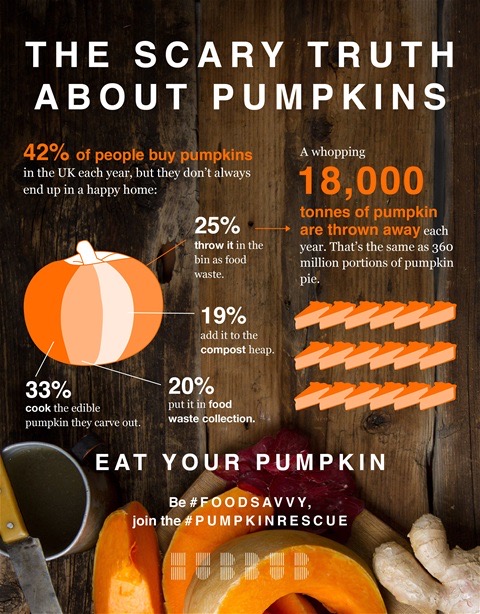
Pumpkins are a wonderful part of Halloween. From picking them out at a pumpkin patch, to carving them, to decorating our homes with them, pumpkins bring out the Halloween spirit. But what happens to them once the season is over? Many people put them in the trash without a second thought and this harms the environment in a couple ways.
This leads us to our next category in making this holiday eco-friendly: What to do about pumpkins?
First, pumpkins that have the potential to be used as food or compost are sent to the landfill, where they take up space instead of serving another purpose. Second, when organic materials like pumpkins go to the landfill, they are forced to decompose without oxygen. This process produces methane, a greenhouse gas twenty-one times more potent than carbon dioxide, and thus accelerates climate change. Instead of sending our pumpkins to the landfill, we can eat and compost them.
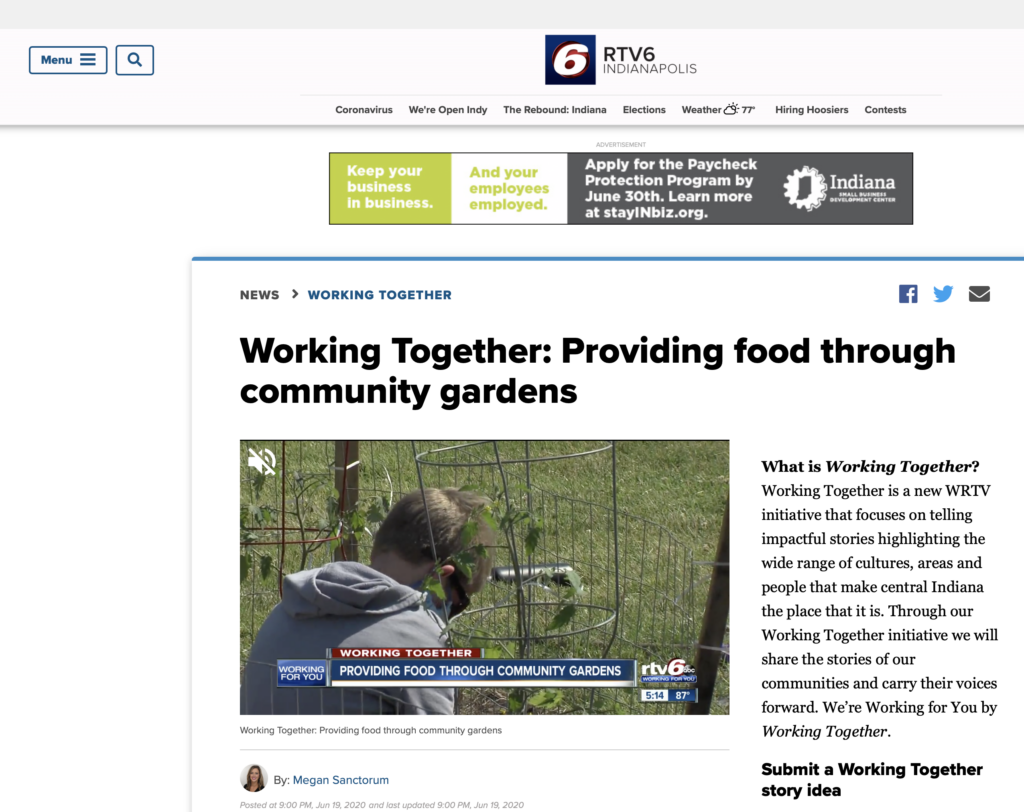
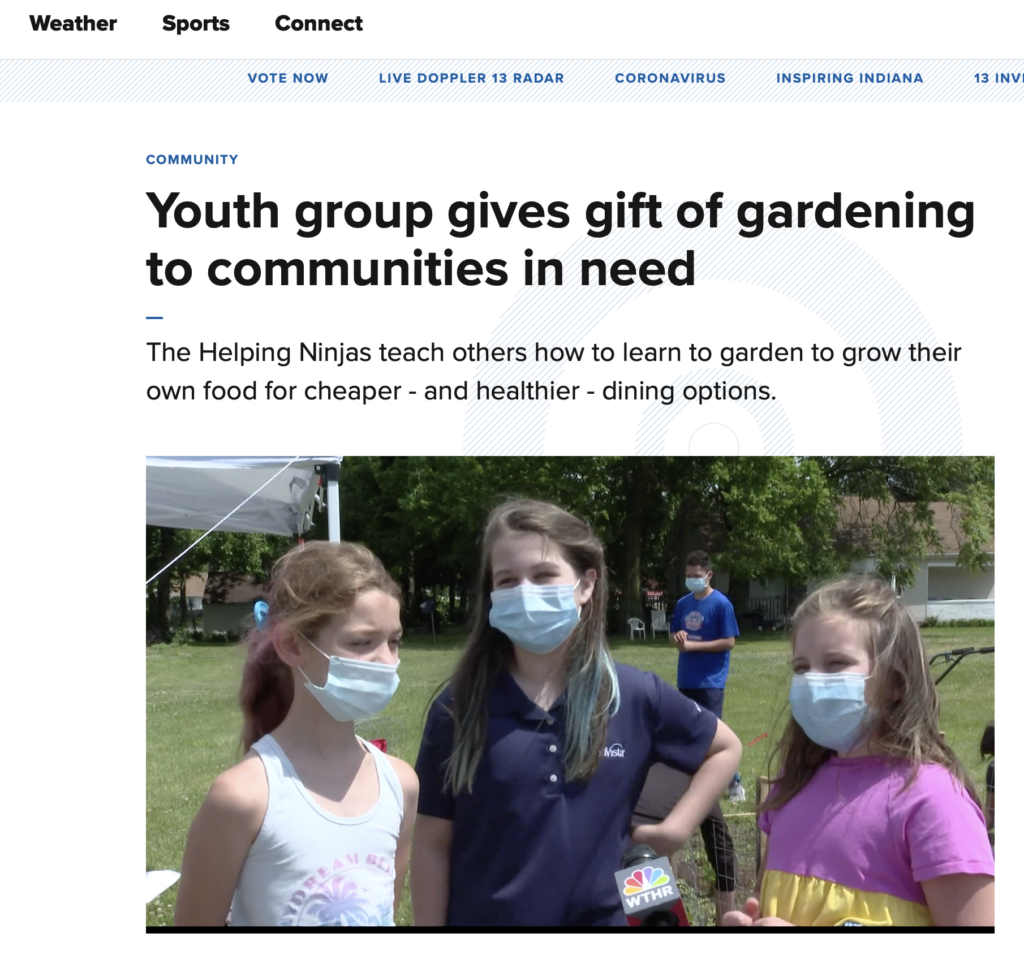
Helping Ninjas’ Founder Leo Berry discusses this on a local TV Station in Indianapolis, Indiana.
There are many recipes for roasted pumpkin seeds, pumpkin soup, pumpkin muffins, and pumpkin pie. Use your pumpkins from Halloween to create these tasty treats!
For parts of the pumpkin that you don’t eat, put them in your compost bin, give them to a neighbor who composts, or drop them off at a community compost drop-off or animal sanctuary.
I sincerely hope that you learned something from these tips and that you will have a safe and fun, eco-friendly Halloween!
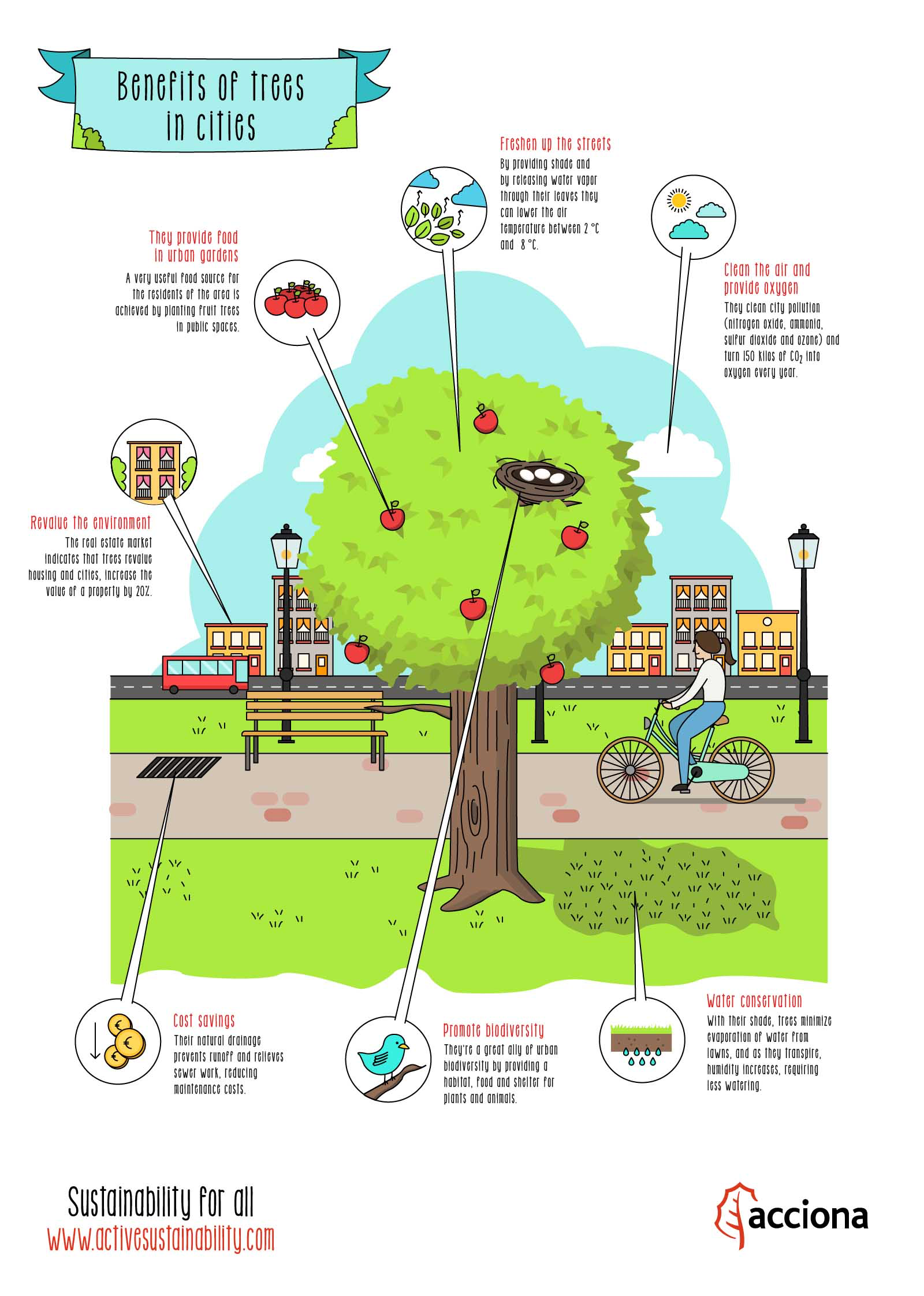
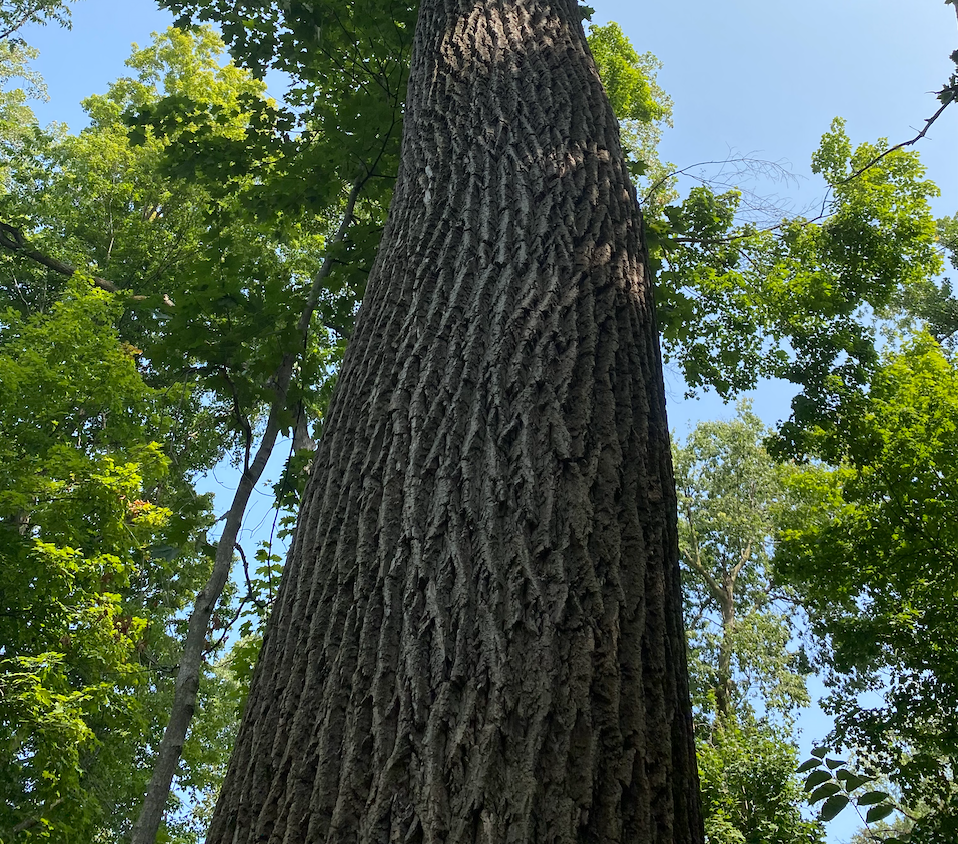
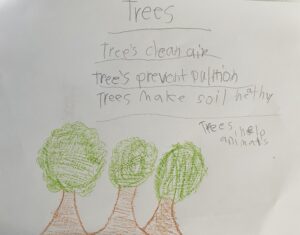
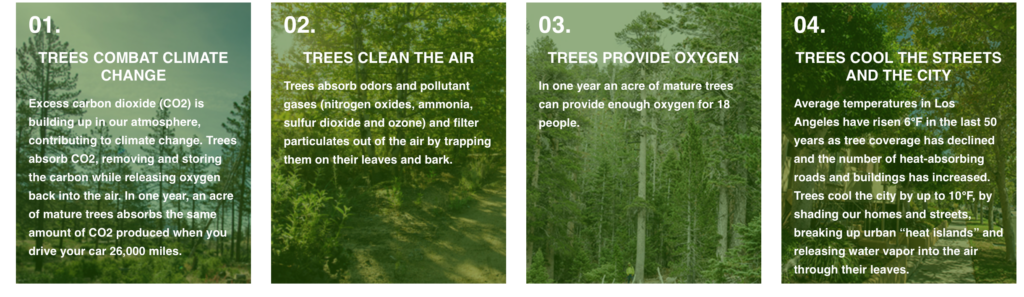
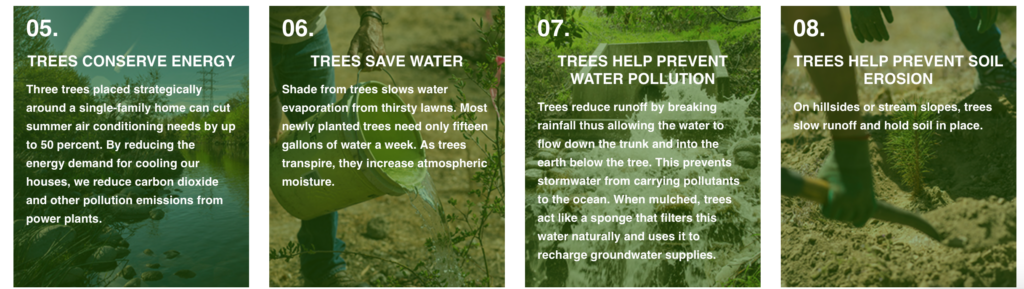
Life could not exist on Earth without trees because they produce most of the oxygen that humans and wildlife breathe.
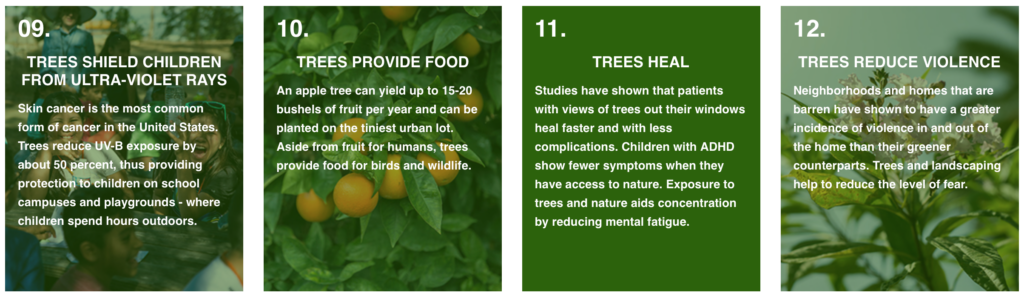
Did you know that by being in nature your seretonin levels can increase? Just by being in nature, your body responds and it makes you happy! Trees can also heal you, by reducing stress and increasing immunity.
Trees can reduce violence too. Studies have shown that neighborhoods with more trees tend to have less violent occurrences vs neighborhoods without trees.
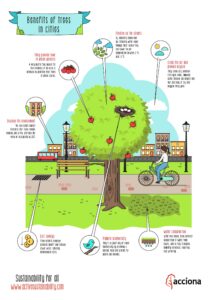
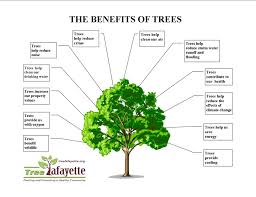
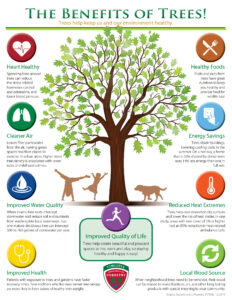
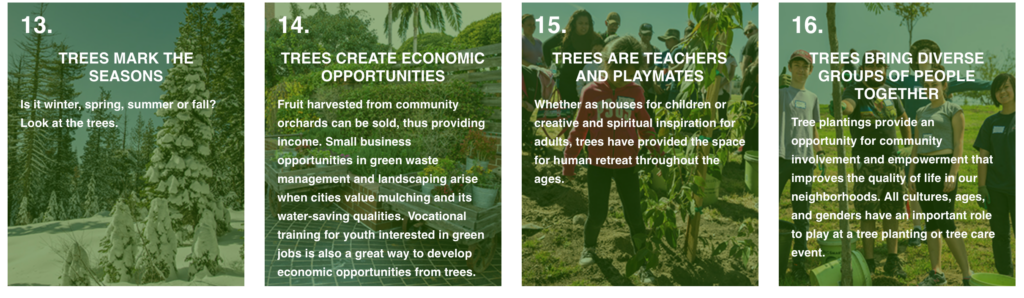
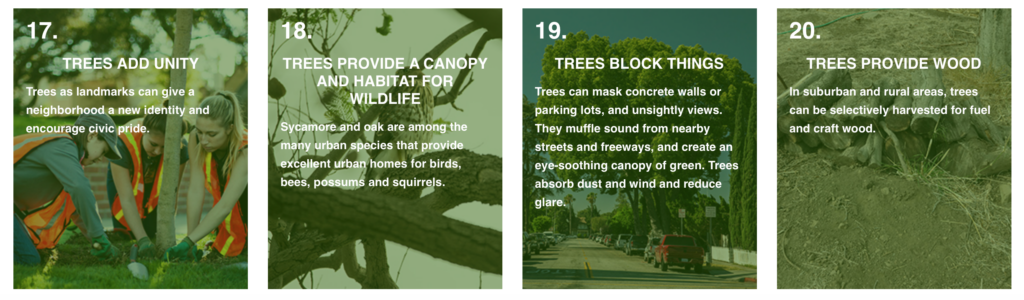
There are many benefits from trees.
One acre of trees annually consumes the amount of carbon dioxide equivalent to that produced by driving an average car for 26,000 miles. That same acre of trees also produces enough oxygen for 18 people to breathe for a year.”
A 100-foot tree, 18 inches diameter at its base, produces 6,000 pounds of oxygen.
On average, one tree produces nearly 260 pounds of oxygen each year. Two mature trees can provide enough oxygen for a family of four.
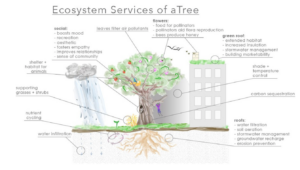
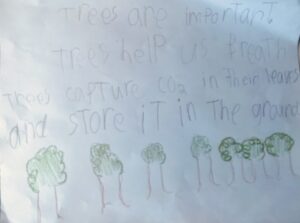
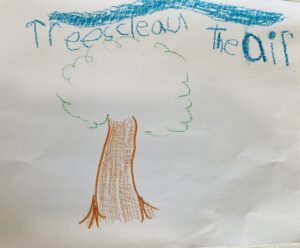
Such as temperatures get reduced by having more trees plus water evaporation from the shade of trees get slowed so it becomes better water for crops. Also, trees reduce pollution by pulling pollutants and carbon out of the air through their trees and storing in the ground.
Did you know that planting trees can help the planet, each other and oneself? Trees are amazing and powerful and The Helping Ninjas want all youth to have the opportunity to learn about the importance of trees, balanced ecosystems and healthy habitats and most importantly, how you can help.
Planting native trees in one way you can help!
Planting native means planting trees and plants and flowers that are native to your region – where you live!
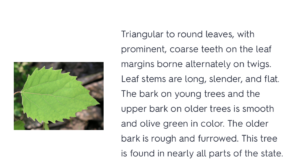
Today, Helping Ninjas are learning about Native Trees in Indiana, where our founder, Leo, and family lives, Carmel, Indiana.
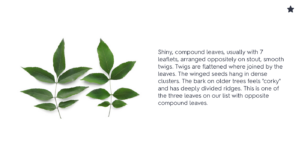
Learn about Indiana Native Trees with these fun Native Tree Flash Cards!
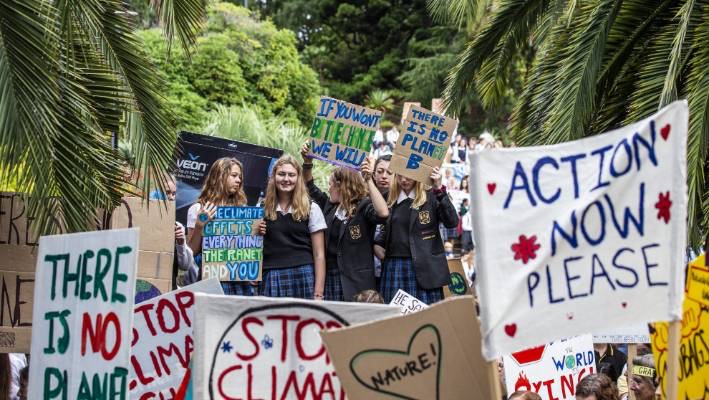
This week is Global Climate Week. Thousands of climate strikes will take place across the globe to demand action to tackle the climate crisis on Friday, September 25th.
This week is Global Climate Week. Thousands of climate strikes will take place across the globe to demand action to tackle the climate crisis on Friday, September 25th.
In New York City, Climate Week NYC is happening with the help of many leaders and supporters and organizations and the official partner The Nest Summit, who is dedicated to advancing sustainability in the United States.
Even if you do not live in New York City, you can still take part in the biggest Climate Action Week in the world. People are participating all over the world in the Global Climate Strike and you can too!
How to Participate?
Virtual participation and online webinars and live streams!
I am participating in the Friday For Future Climate Strike online with my 3 siblings, parents and fellow Helping Ninjas. We will be part of the Global Movement to advocate climate action.
What is Climate Action?
Climate action means to step up about helping our planet stop climate change and our climate.
I think climate action is very important because climate change was a caused by us humans, and it’s threatening our livelihood and our survival. Our actions are hurting our planet and everything on it.
I believe the first step to climate action success is education. Climate education, or climate literacy, is an understanding of climate change and its influence. To be “climate literate” means you understand the essential principles of Earth’s climate system. I believe that all children should have access to climate education. My mom, Lindsey, agrees. She said that this knowledge should be common knowledge, not a privilege.
Our family takes action every day to help others learn about our planet and climate change and solutions. This week, the whole world is coming together to talk about climate change and to stand up for our planet.
How did I learn about climate change?
I first learned about climate change from my mom about three years ago. Then, I researched it more about it on the internet. I was just eight years old and I thought to myself, “We have to do something about it!”
So I did. I founded Helping Ninjas to teach other kids how to help the planet, each other and themselves and to bring awareness to everyone on the importance of teaching other youth how to help the world, and giving them opportunities to do so.
In 2019, I joined forces with Jim Poyser and Earth Charter Indiana and was able to learn a lot more about climate change and how to take action.
What did I learn?
I learned that climate change is a choice, it is not an emergency, it is a decision. I feel mad about climate change because the world can stop this, but if we don’t come together – we can’t solve this. We need to make a choice: to help the world or destroy it. We need to solve this problem. It’s not going to be easy to adjust to change, but the world will get through this for the generations after us. The generations before us started this, but we will be the one to finish it.
How did I Take Action?
I was able to meet with State Representatives, Donna Schabily and Carey Hamilton and a State Senator, Senator Ford. Fellow Helping Ninjas’ Sid, Vedh and myself thanked them and applauded their efforts to help our environment. We participated in Indiana’s first-ever Youth Climate Strike Rally at the Indiana State House where youth joined together to advocate for a Climate Resolution.
I also attended two Hearings at the Indiana Statehouse, one for a bill in relation to protection of Indiana’s Wetlands and one for an Indiana Climate Change Resolution Bill. The Climate Resolution, presented by youth and State Representative Carey Hamilton, was not able to be voted upon by the committee. I was disappointed, but learned that the fact it was at least heard, was state history. It was the first time a Climate Resolution and climate change for that matter had been addressed “officially in the Indiana State House.
Unfortunately, the bill that was passed by State Representative Victoria Spartz lessened restrictions on protecting wetlands. Science shows this is not good for agriculture, wildlife, our habitats, ecosystems or communities. Indiana used to be full of wetlands. Now, barely 15% are left.
Climate Action Now
I also learned more about climate education at Earth Charter’s Climate Camp this past summer, despite Covid-19 I attended the camp online with a fellow Helping Ninja friend, Arjun. Also, with the help of Jim and other Earth Charter members, Helping Ninjas hosted Friday Climate Zoom Parties with other Helping Ninjas to learn about our changing climate. We watched Alliance for Climate Education videos and would discuss what we watched, how it made us feel, what we thought about it, and ask questions.
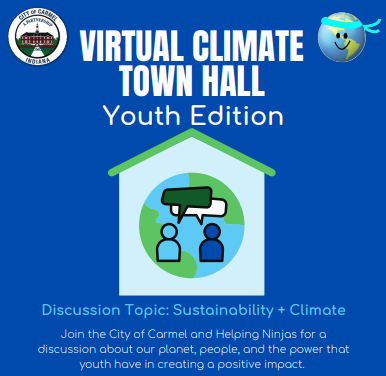
Recently, Helping Ninjas helped the city where I live, Carmel, IN. In a partnership with the City of Carmel, we held Virtual TownHall Climate Education workshops for youth.
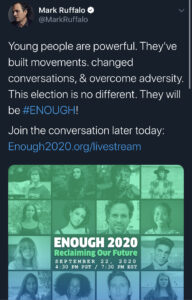
Last night my mom, Lindsey, and I joined in on the Live Stream of ACE (Alliance for Climate Education) called: ENOUGH 2020, Reclaiming Our Future. ACE had a panel of board members and youth members and special guests, including Maroon 5 and Mark Ruffalo.
I learned that you should VOTE for a better life and and use your voice. Each person has the ability to find their gift and talent and use it towards advocacy for our planet and each other. It is our future and we are enough to make a difference and we are worth fighting for. I believe in everyone should be treated equal. We all are enough.
Even though I cannot vote yet because I am only 11 years old, I can still choose earth. I can do small things each day to help our environment and communities and I can encourage others to do so too.
Now a days our four and a half year old daughter, Avi and I, have been using nature and including them in our crafts.
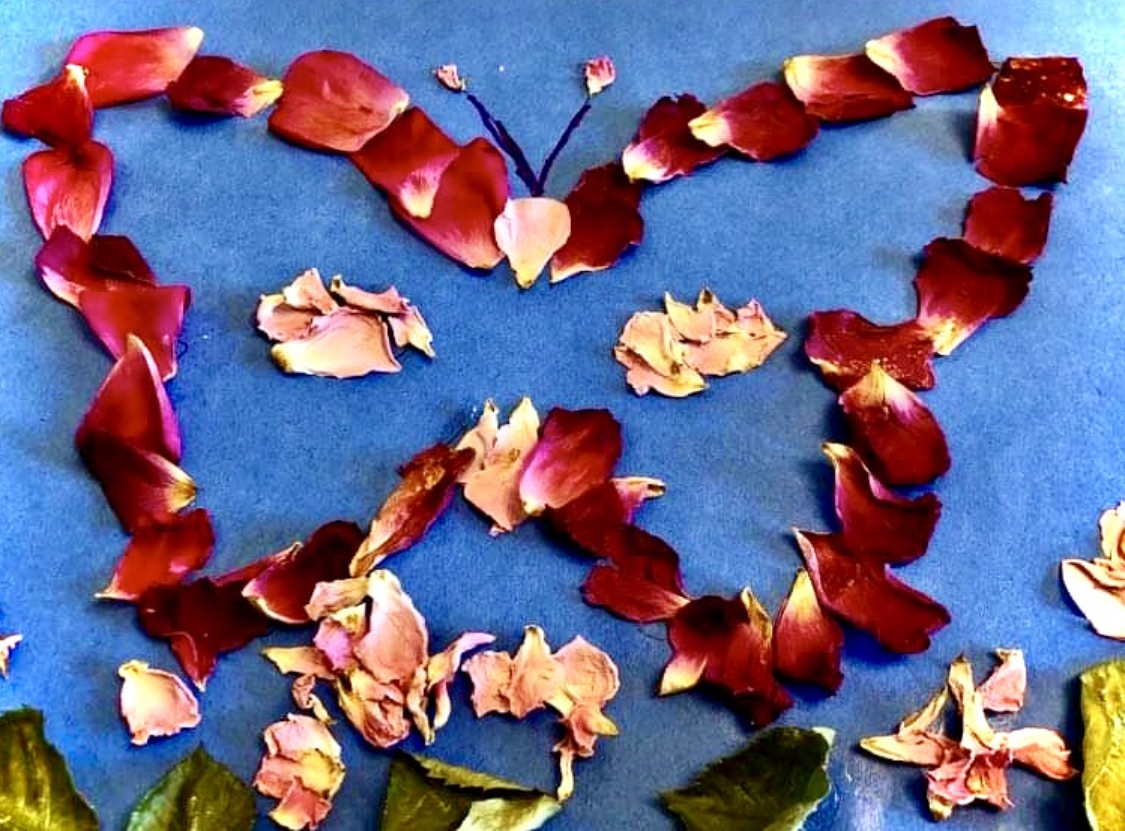
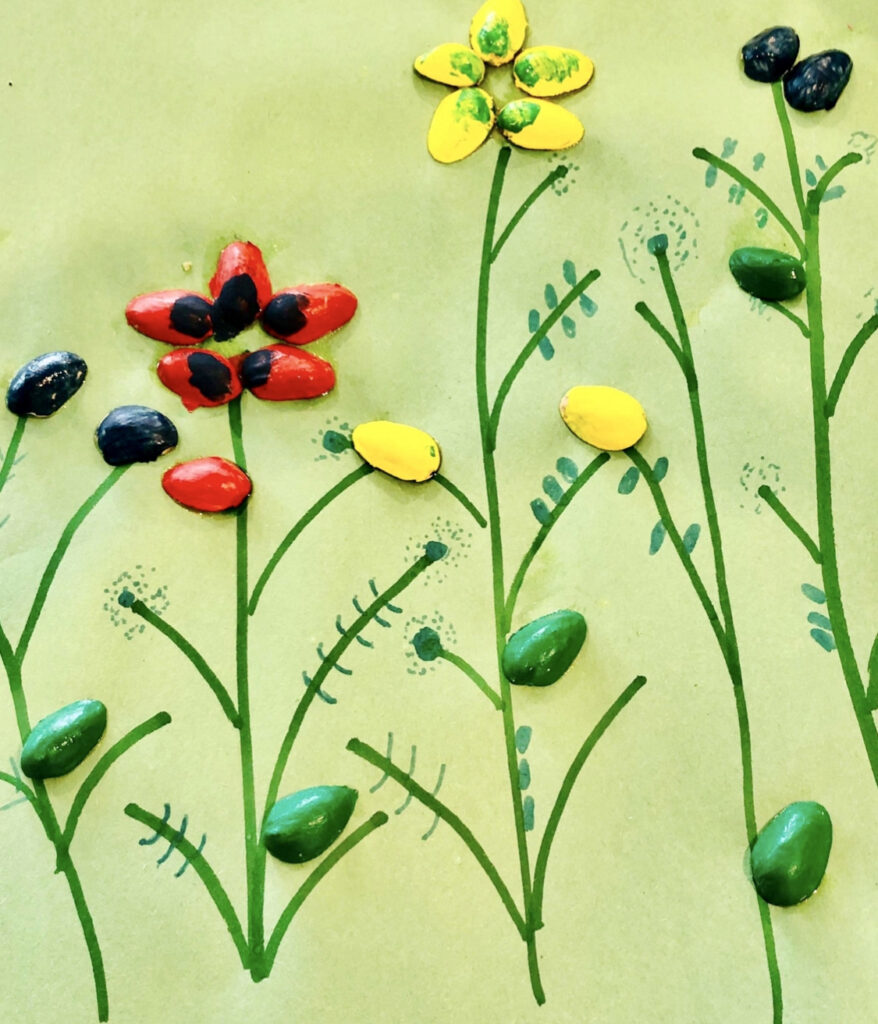
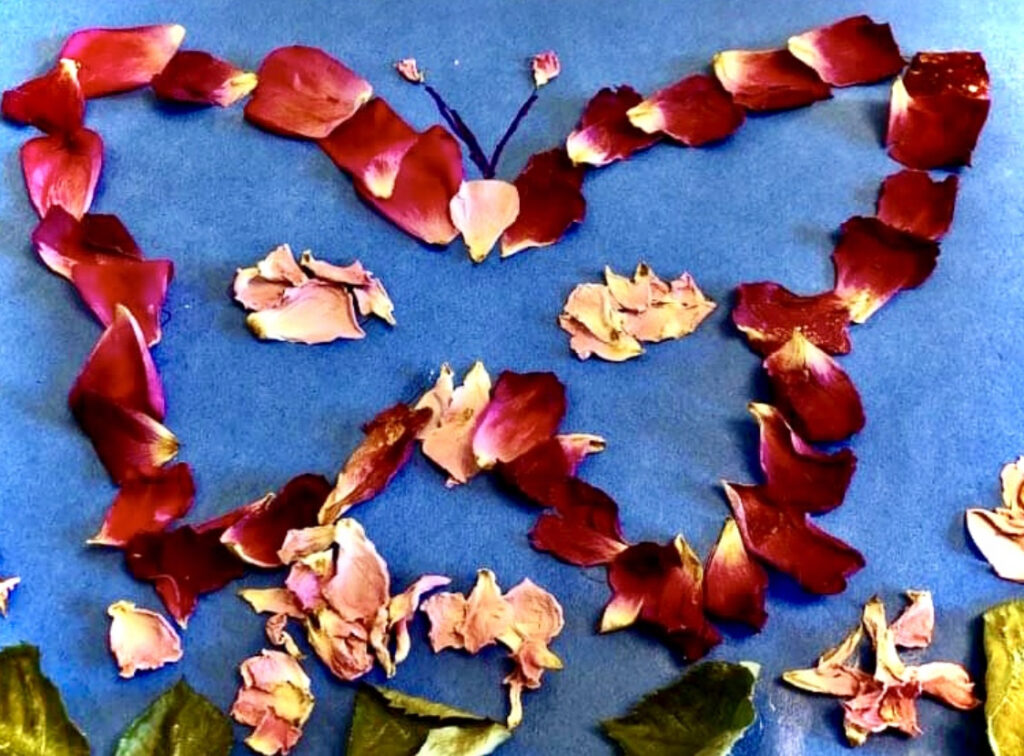
You can recycle and reuse many outdoor flower petals, seeds and shells to make beautiful creations such as using pistachio shells to create flowers, mushrooms to make prints out of or rose petals to make a beautiful butterfly scene choices are endless.
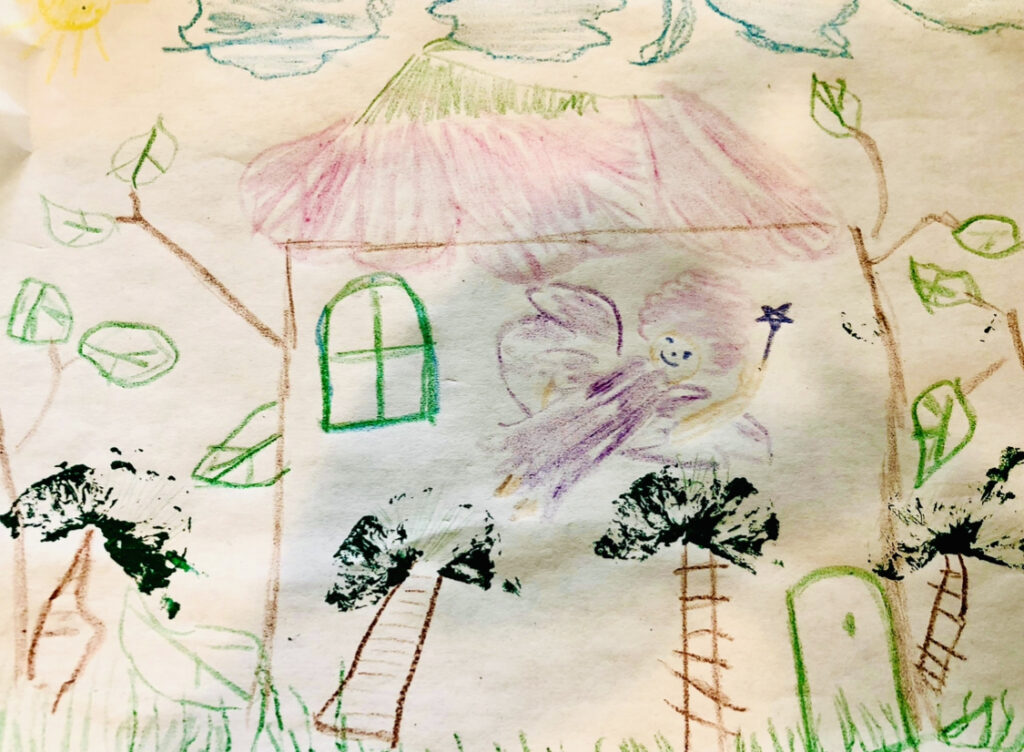
Here are some of the creations inspired by nature that Avi made.
Flower petals along with markers on colored paper.
Mushrooms used as stamps or spongelike tool for painting.
Fallen rose petals from our garden glued to construction paper.
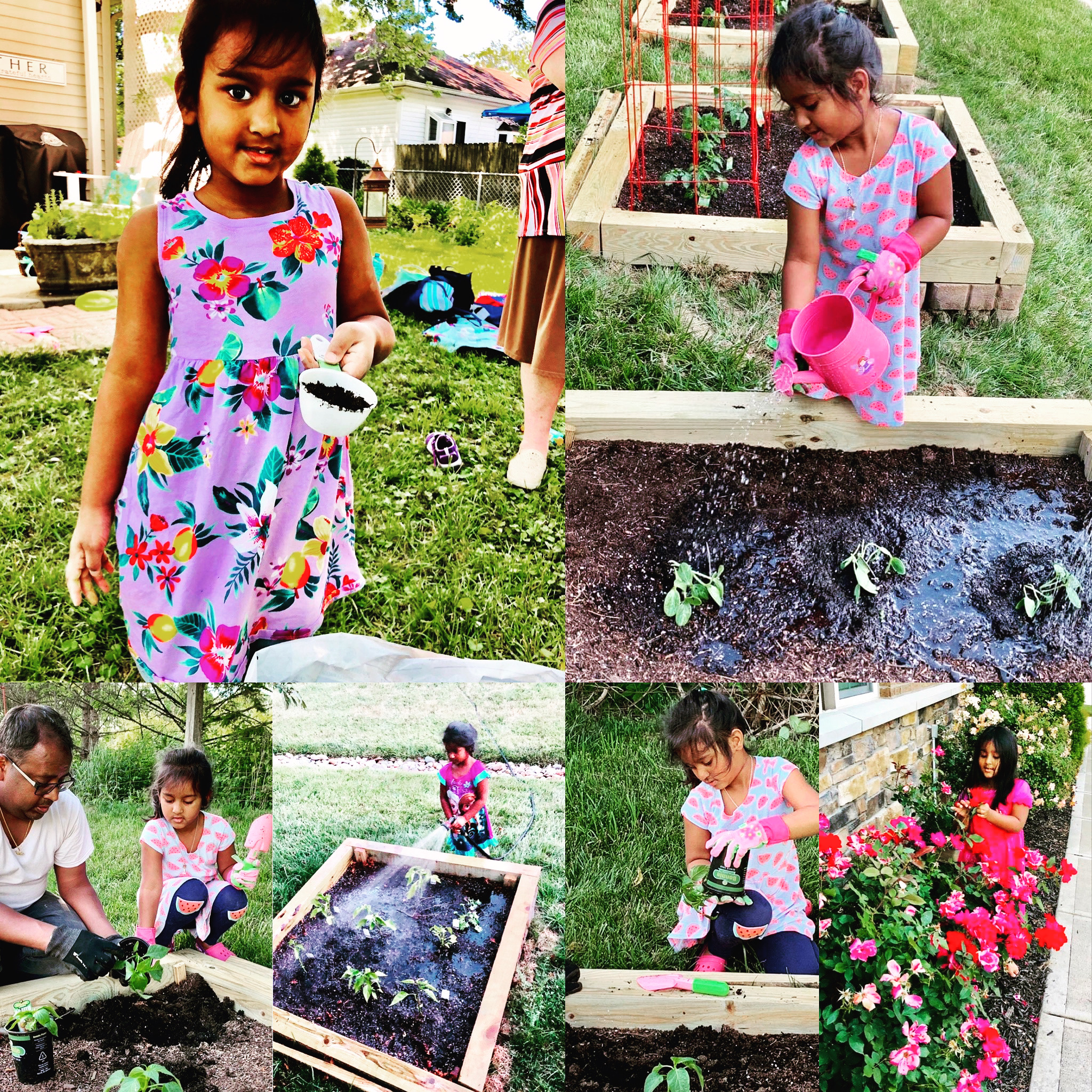
Four-year old Helping Ninja Avi loves to garden! Thank you Avi for helping to grow gardens! ❤️🌎🌱
Avika is very kind and compassionate and loves to garden and loves all animals. Daily she enjoys picking flowers from the garden along with watering her own garden and flowers!
Avi loves watching how the flowers bloom and how vegetables grow, and looks forward to eating them. ☺️🍅🌻
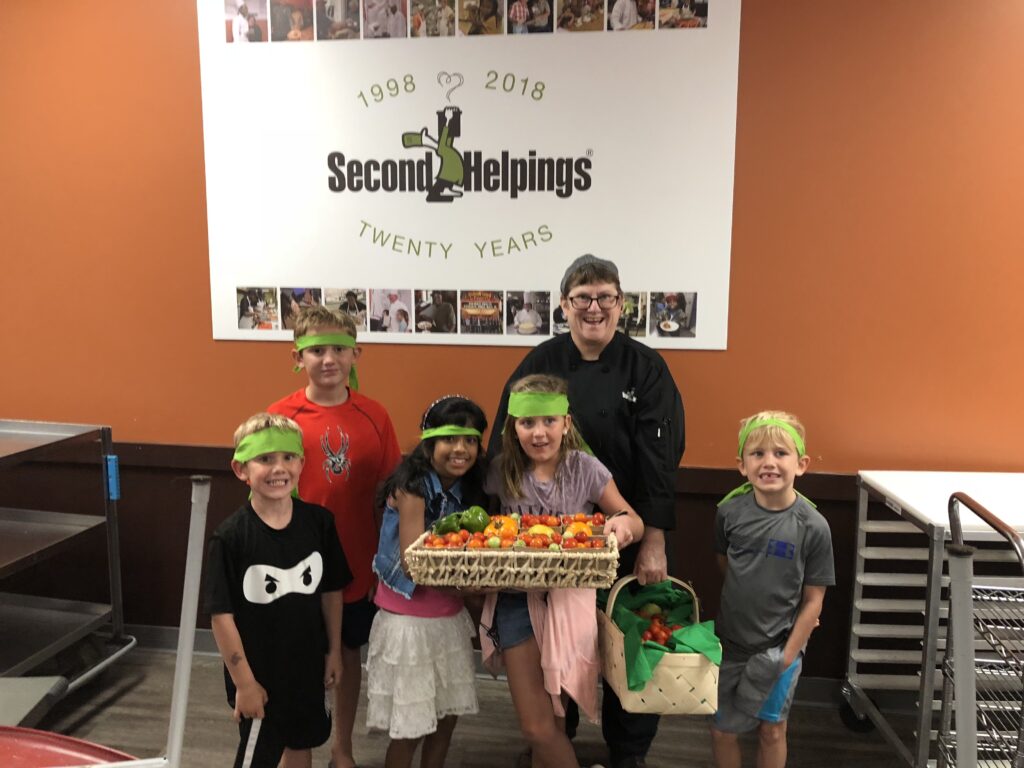
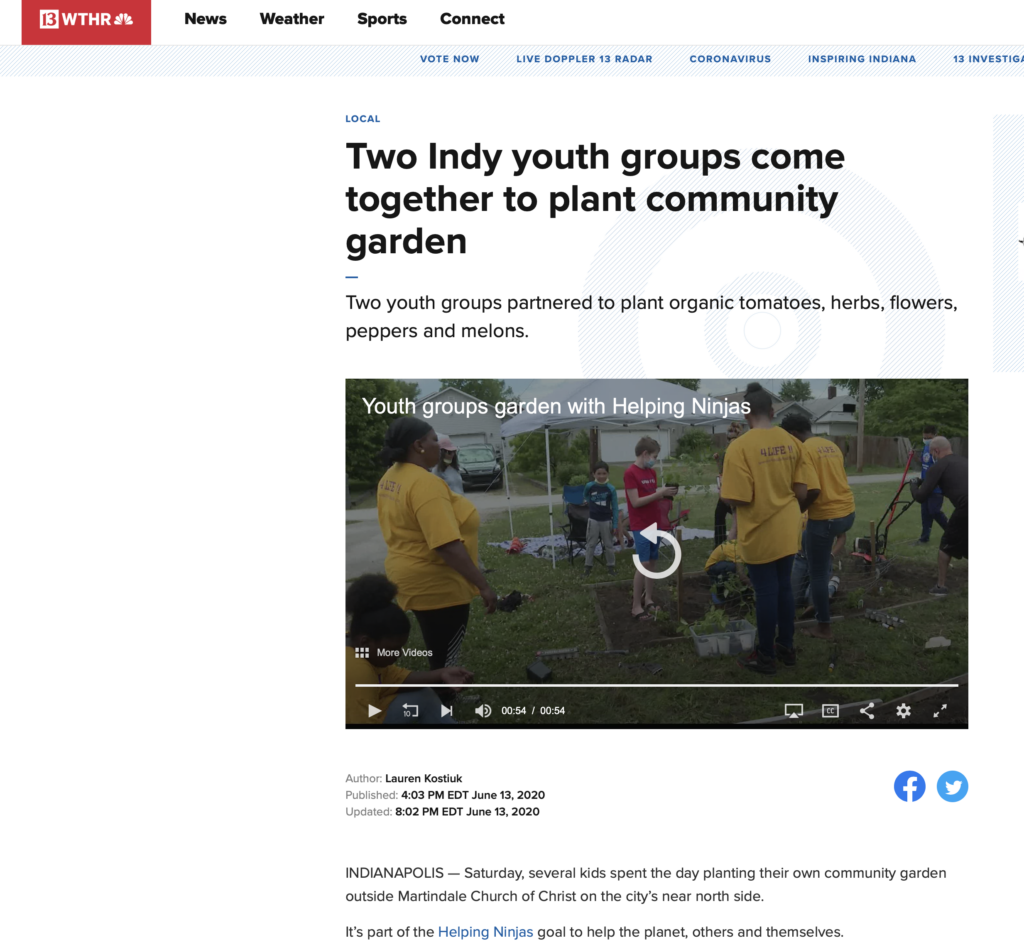
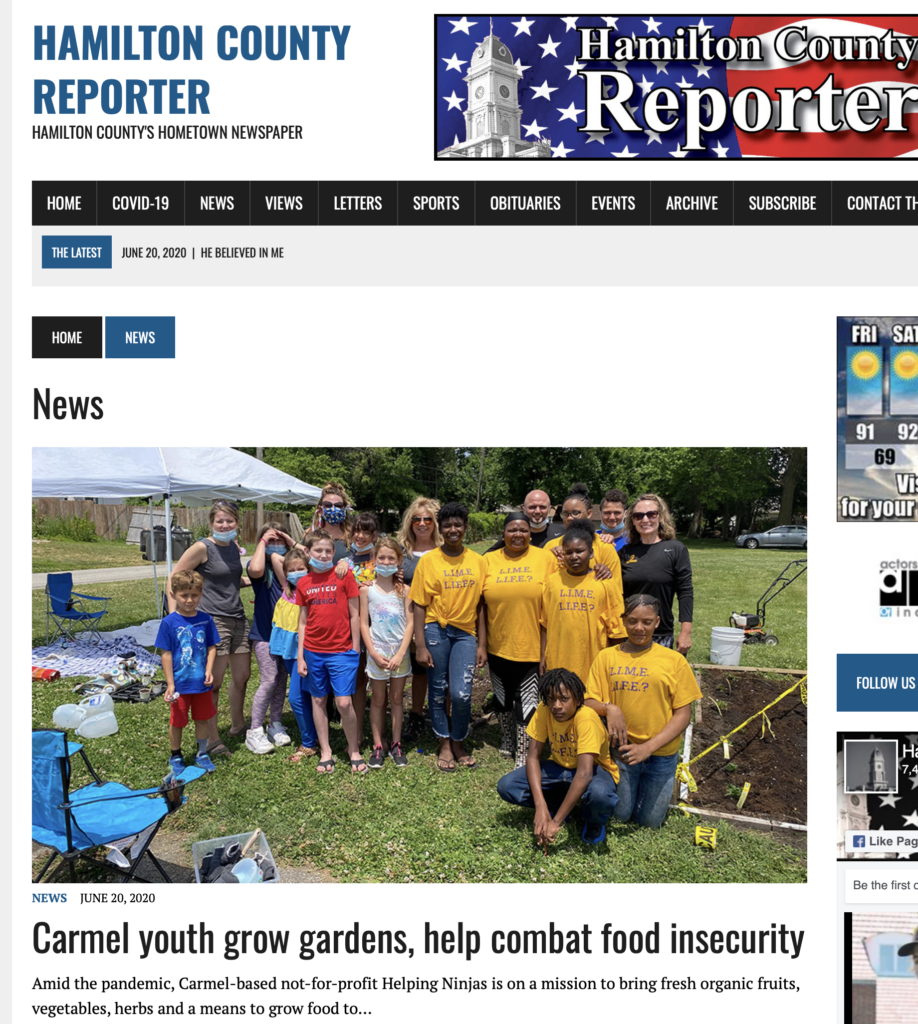
About eight months ago, our family met Tammy, through our volunteer work at Second Helpings. (Tammy is volunteer there too). Chef had told her about Helping Ninjas, and Tammy asked us if our ninjas could help her community youth group. We were eager to help and decided what better way than to help the children was to give them an opportunity to learn to grow their own food.
Due to the stay and home orders, we were unable to meet until recently. The garden was a success and all involved learned something new.
Afterwards, Helping Ninjas founder and our eleven year-old son, Leo, said to me:
“Mom, we should do more gardens. We can help more people.”
And I agreed. ☺️
The idea is to engage youth and to educate them on all aspects of gardening. From soil to seed, each plant and flower has a purpose and will continue to provide year after year. Each food item harvested becomes next year’s garden seeds. Through this iniatative we hope to help teach other children how to grow gardens!
“Everyone deserves access to fresh food,” said Leo Berry, eleven-year old founder of Helping Ninjas and CCS student. “If we all work together, we can help.”
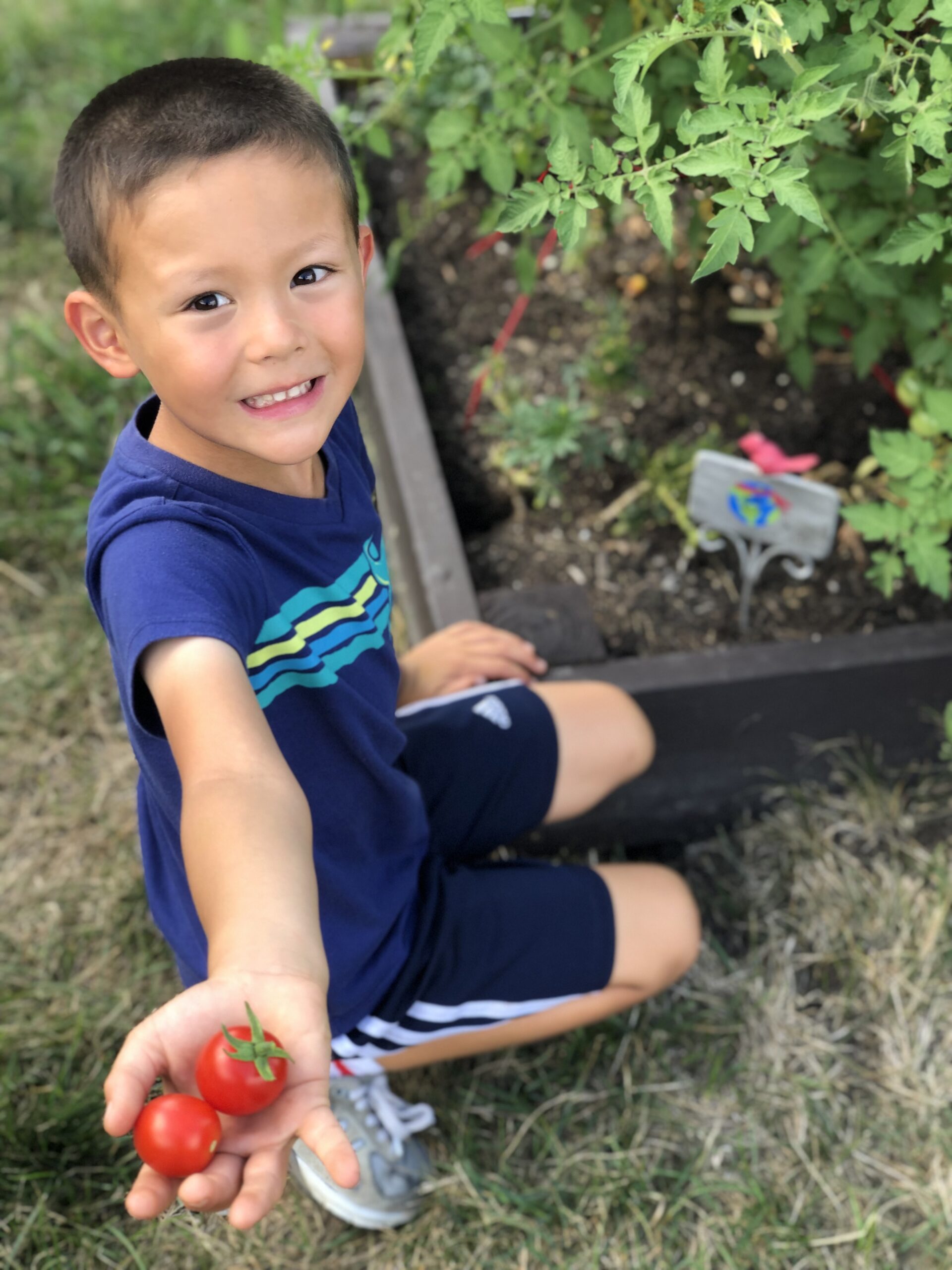
From 2017 to date, Helping Ninjas has organized local Carmel youth to learn to grow organic gardens at schools, in after-school programs, in their backyards, in the Carmel community garden, and donated fresh produce to their community and to Second Helpings in Indianapolis.