Plant Trees

Did you know that planting trees can help the planet, each other and oneself? Trees are amazing and powerful and The Helping Ninjas want all youth to have the opportunity to learn about the importance of trees, balanced ecosystems and healthy habitats and most importantly, how you can help.
Planting native trees in one way you can help!

Planting native means planting trees and plants and flowers that are native to your region – where you live!

Today, Helping Ninjas are learning about Native Trees in Indiana, where our founder, Leo, and family lives, Carmel, Indiana.

Learn about Indiana Native Trees with these fun Native Tree Flash Cards!
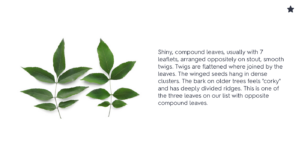
50 Indiana Tree Flash Cards

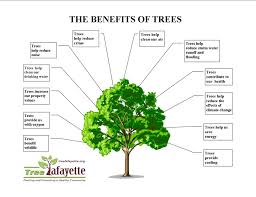
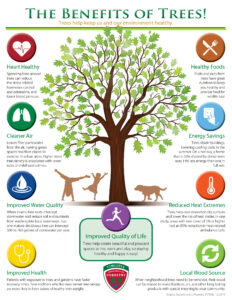
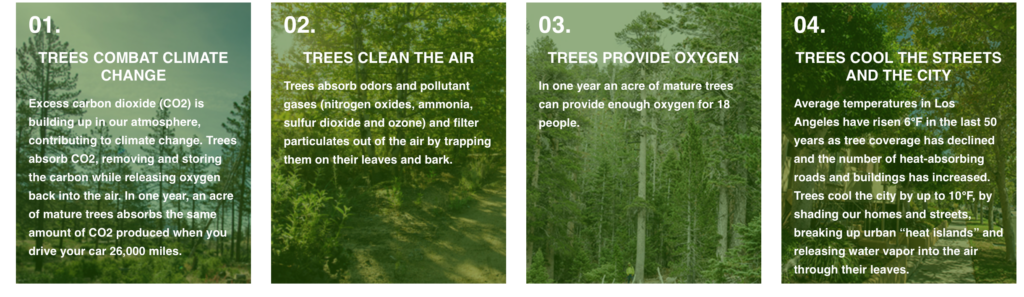
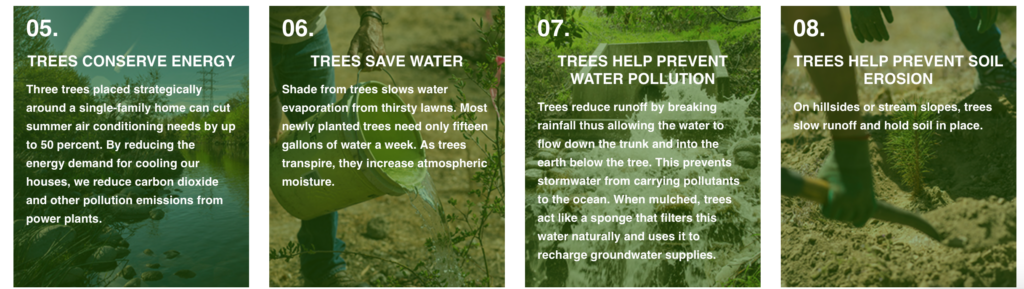
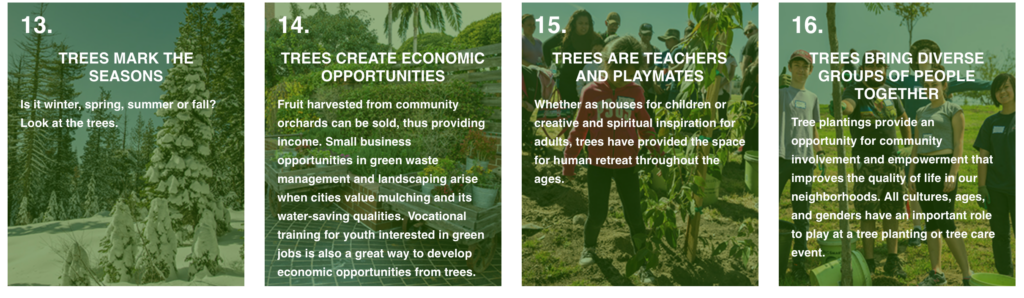
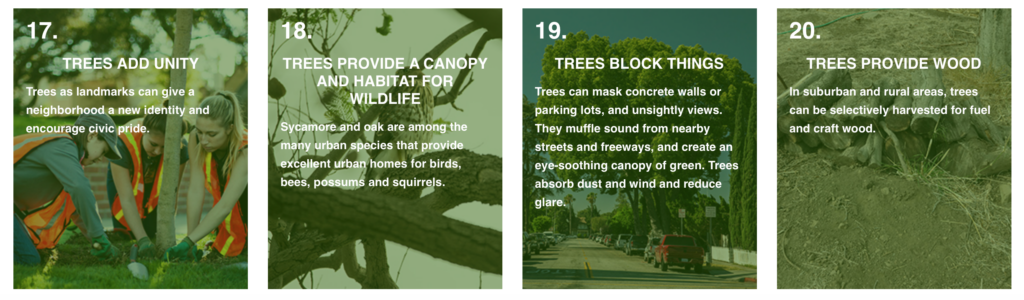
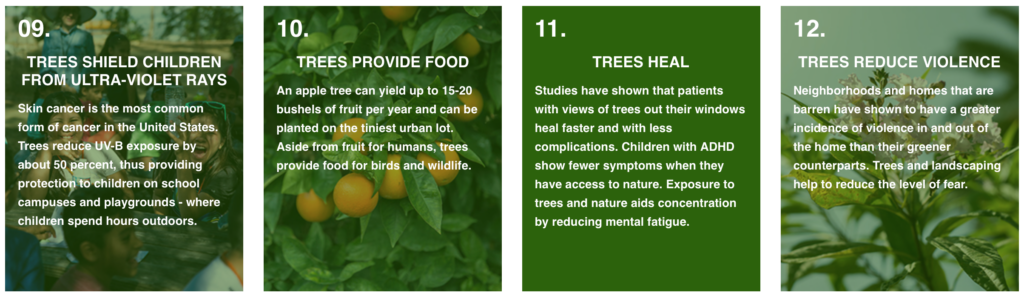
Twenty-Two Benefits of Trees
Indiana Native Tree List

EVERGREEN:

Eastern Arborvitae, Thuja occidentalisEastern Red Cedar, Juniperus virginianaWhite Cedar, Thuja occidentalisHemlock, Tsuga canadensisWhite Pine, Pinus strobusJack Pine, Pinus banksianaVirginia Pine, Pinus virginiana 

DECIDUOUS

Black Ash, Fraxinus nigraBlue Ash, Fraxinus quadrangulataGreen Ash, Fraxinus pennsylvanicaPumpkin Ash, Fraxinus profundaWhite Ash, Fraxinus americanaBigtooth Aspen, Populus grandidentataAmerican Beech, Fagus grandifoliaGray Birch, Betula populifoliaPaper Birch, Betula papyriferaRiver Birch, Betula nigraYellow Birch, Betula alleghaniensisBlue Beech, Carpinus carolinianaBox Elder, Acer negundoOhio Buckeye, Aesculus glabraYellow Buckeye, Aesculus flavaButternut or White Walnut, Juglans cinereaNorthern Catalpa, Catalpa speciosaBlack Cherry, Prunus serotinaAmerican Chestnut, Castenea dentataKentucky Coffeetree, Gymnocladus dioicusEastern Cottonwood, Populus deltoidesSwamp Cottonwood, Populus heterophyllaPrairie Crabapple, Malus ioensisSweet Crabapple, Malus coronariaDevil’s Walking Stick, Aralia spinosaFlowering Dogwood, Cornus floridaPagoda Dogwood, Cornus alternifoliaAmerican Elm, Ulmus americanaCork Elm, Ulmus thomasii Slippery Elm, Ulmus rubraWinged Elm, Ulmus alataCommon Hackberry, Celtis occidentalisCockspur Hawthorn, Crataegus crus-galliDotted Hawthorn, Crataegus punctataDowny Hawthorn, Crataegus mollisGreen Hawthorn, Crataegus viridisEastern/Canadian Hemlock, Tsuga canadensisBitternut Hickory, Carya cordiformisBlack Hickory, Carya texanaMockernut Hickory, Carya tomentosaPignut Hickory, Carya glabraSand Hickory, Carya pallidaShagbark Hickory, Carya ovataShellbark Hickory, Carya laciniosaHoney Locust, Gleditsia triacanthosAmerican Hop-hornbeam, Ostrya virginianaHoptree, Ptelea trifoliataAmerican Hornbeam, Carpinus carolinianaAmerican Larch, Larix laricinaBlack Locust, Robinia pseudoacaciaWater Locust, Gleditsia aquaticaCucumber Tree (Magnolia), Magnolia acuminataUmbrella Magnolia, Magnolia tripetalaBlack Maple, Acer nigrumRed Maple, Acer rubrumSilver Maple, Acer saccharinumSugar Maple, Acer saccharumShowy Mountain-ash, Sorbus decoraRed Mulberry, Morus rubraBlack Oak, Quercus velutinaBlackjack Oak, Quercus marilandicaBur Oak, Quercus macrocarpaCherrybark Oak, Quercus pagodaChestnut Oak, Quercus montanaChinkapin Oak, Quercus muehlenbergiiNorthern Pin or Hill’s Oak, Quercus ellipsoidalisOvercup Oak, Quercus lyrataPin Oak, Quercus palustrisPost Oak, Quercus stellataRed Oak, Quercus rubraScarlet Oak, Quercus coccineaShingle Oak, Quercus imbricariaShumard Oak, Quercus shumardiiSwamp Chestnut Oak, Quercus michauxiiSwamp White Oak, Quercus bicolorWhite Oak, Quercus albaPawpaw, Asimina trilobaPecan, Carya illinoinensisPersimmon, Diospyros virginianaAmerican Plum, Prunus americanaBalsam Poplar, Populus balsamiferaTulip Poplar, Liriodendron tulipiferaEastern Redbud, Cercis canadensisSassafras, Sassafras albidumAllegheny Serviceberry, Amelanchier laevisDowny Serviceberry, Amelanchier arboreaSourwood, Oxydendrum arboreumSugarberry, Celtis laevigataSweetgum, Liquidambar styracifluaSycamore, Platanus occidentalisTamarack, Larix laricinaBlack Tupelo or Black Gum, Nyssa sylvaticaBlack Walnut, Juglans nigraBlack Willow, Salix nigraPeachleaf Willow, Salix amigdaloidesYellowwood, Cladrastis kentukea 

To see full list of Indiana’s Native Trees, Native Plants, Shrubs and Flowers visit:

https://www.indianawildlife.org/wildlife/native-plants/

Other helpful links:

https://www.arborrangers.com/native-trees-of-indiana/
https://indianaforestalliance.org

Climate Week 2020

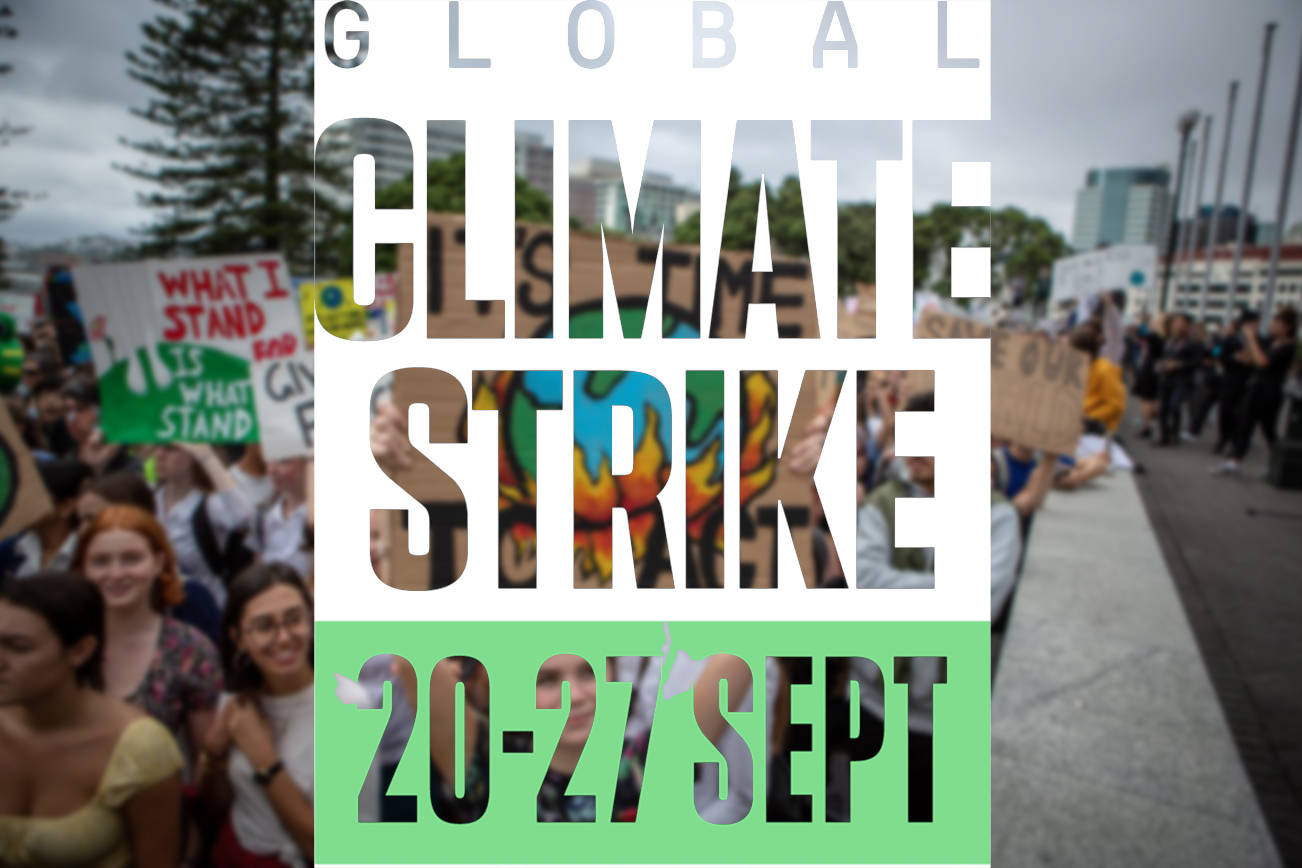
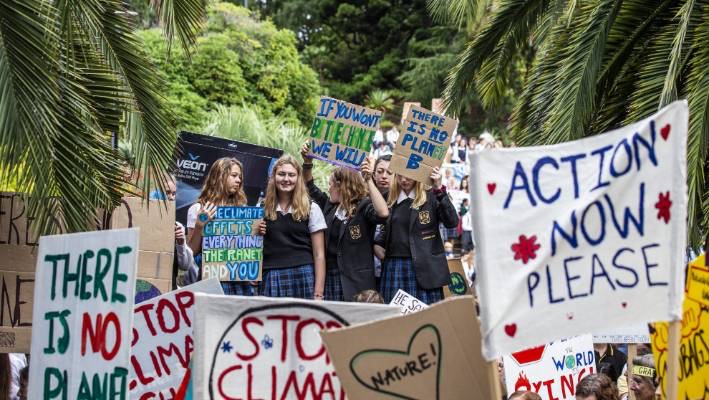
This week is Global Climate Week. Thousands of climate strikes will take place across the globe to demand action to tackle the climate crisis on Friday, September 25th.

This week is Global Climate Week. Thousands of climate strikes will take place across the globe to demand action to tackle the climate crisis on Friday, September 25th.

In New York City, Climate Week NYC is happening with the help of many leaders and supporters and organizations and the official partner The Nest Summit, who is dedicated to advancing sustainability in the United States.

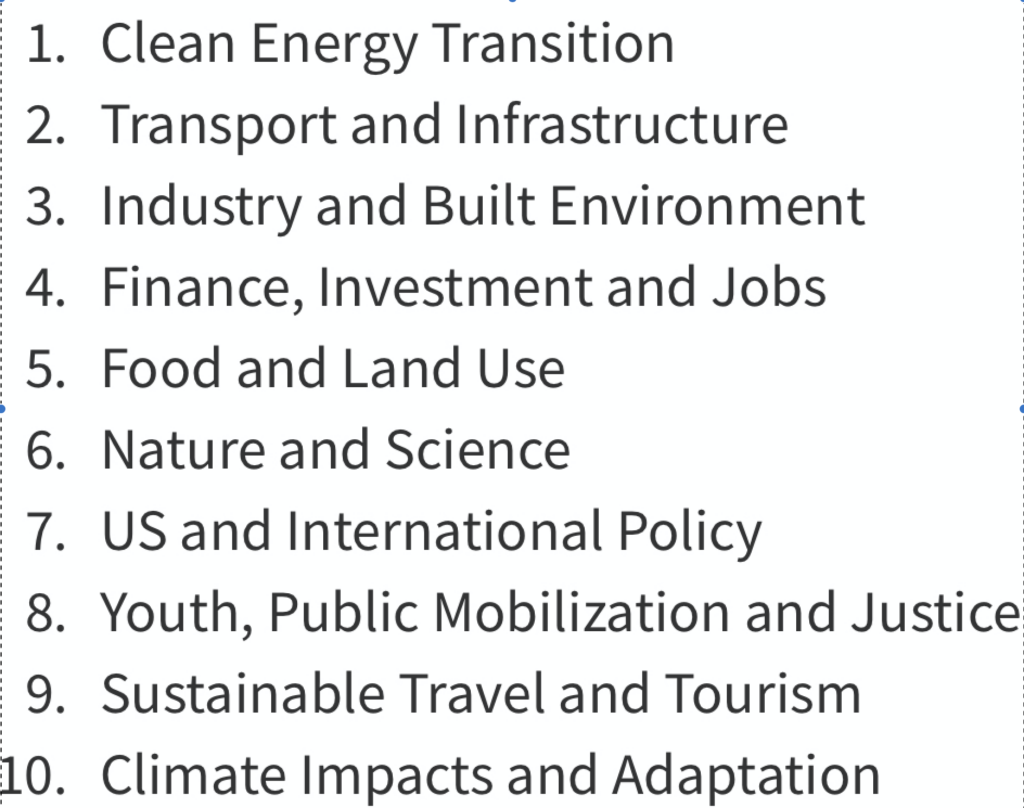
Climate Week NYC topics and events include the following:

Even if you do not live in New York City, you can still take part in the biggest Climate Action Week in the world. People are participating all over the world in the Global Climate Strike and you can too!

How to Participate?

Virtual participation and online webinars and live streams!

I am participating in the Friday For Future Climate Strike online with my 3 siblings, parents and fellow Helping Ninjas. We will be part of the Global Movement to advocate climate action.

What is Climate Action?

Climate action means to step up about helping our planet stop climate change and our climate.

I think climate action is very important because climate change was a caused by us humans, and it’s threatening our livelihood and our survival. Our actions are hurting our planet and everything on it.

I believe the first step to climate action success is education. Climate education, or climate literacy, is an understanding of climate change and its influence. To be “climate literate” means you understand the essential principles of Earth’s climate system. I believe that all children should have access to climate education. My mom, Lindsey, agrees. She said that this knowledge should be common knowledge, not a privilege.

Our family takes action every day to help others learn about our planet and climate change and solutions. This week, the whole world is coming together to talk about climate change and to stand up for our planet.

How did I learn about climate change?

I first learned about climate change from my mom about three years ago. Then, I researched it more about it on the internet. I was just eight years old and I thought to myself, “We have to do something about it!”

So I did. I founded Helping Ninjas to teach other kids how to help the planet, each other and themselves and to bring awareness to everyone on the importance of teaching other youth how to help the world, and giving them opportunities to do so.

In 2019, I joined forces with Jim Poyser and Earth Charter Indiana and was able to learn a lot more about climate change and how to take action.

What did I learn?

I learned that climate change is a choice, it is not an emergency, it is a decision. I feel mad about climate change because the world can stop this, but if we don’t come together – we can’t solve this. We need to make a choice: to help the world or destroy it. We need to solve this problem. It’s not going to be easy to adjust to change, but the world will get through this for the generations after us. The generations before us started this, but we will be the one to finish it.

How did I Take Action?

I was able to meet with State Representatives, Donna Schabily and Carey Hamilton and a State Senator, Senator Ford. Fellow Helping Ninjas’ Sid, Vedh and myself thanked them and applauded their efforts to help our environment. We participated in Indiana’s first-ever Youth Climate Strike Rally at the Indiana State House where youth joined together to advocate for a Climate Resolution.

I also attended two Hearings at the Indiana Statehouse, one for a bill in relation to protection of Indiana’s Wetlands and one for an Indiana Climate Change Resolution Bill. The Climate Resolution, presented by youth and State Representative Carey Hamilton, was not able to be voted upon by the committee. I was disappointed, but learned that the fact it was at least heard, was state history. It was the first time a Climate Resolution and climate change for that matter had been addressed “officially in the Indiana State House.

Unfortunately, the bill that was passed by State Representative Victoria Spartz lessened restrictions on protecting wetlands. Science shows this is not good for agriculture, wildlife, our habitats, ecosystems or communities. Indiana used to be full of wetlands. Now, barely 15% are left.

Climate Action Now

I also learned more about climate education at Earth Charter’s Climate Camp this past summer, despite Covid-19 I attended the camp online with a fellow Helping Ninja friend, Arjun. Also, with the help of Jim and other Earth Charter members, Helping Ninjas hosted Friday Climate Zoom Parties with other Helping Ninjas to learn about our changing climate. We watched Alliance for Climate Education videos and would discuss what we watched, how it made us feel, what we thought about it, and ask questions.

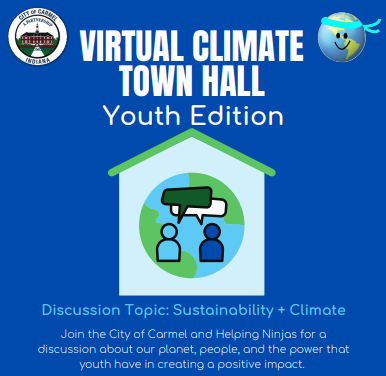
Recently, Helping Ninjas helped the city where I live, Carmel, IN. In a partnership with the City of Carmel, we held Virtual TownHall Climate Education workshops for youth.

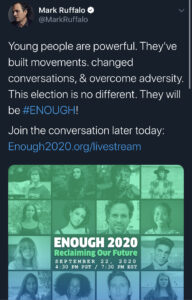
Last night my mom, Lindsey, and I joined in on the Live Stream of ACE (Alliance for Climate Education) called: ENOUGH 2020, Reclaiming Our Future. ACE had a panel of board members and youth members and special guests, including Maroon 5 and Mark Ruffalo.

I learned that you should VOTE for a better life and and use your voice. Each person has the ability to find their gift and talent and use it towards advocacy for our planet and each other. It is our future and we are enough to make a difference and we are worth fighting for. I believe in everyone should be treated equal. We all are enough.

Even though I cannot vote yet because I am only 11 years old, I can still choose earth. I can do small things each day to help our environment and communities and I can encourage others to do so too.

Leo Berry, Founder, Helping Ninjas

Read more like this:

https://helpingninjas.com/taking-climate-action/

Nature Is Art

Pooja Garg, A Helping Ninja Mom

Now a days our four and a half year old daughter, Avi and I, have been using nature and including them in our crafts.

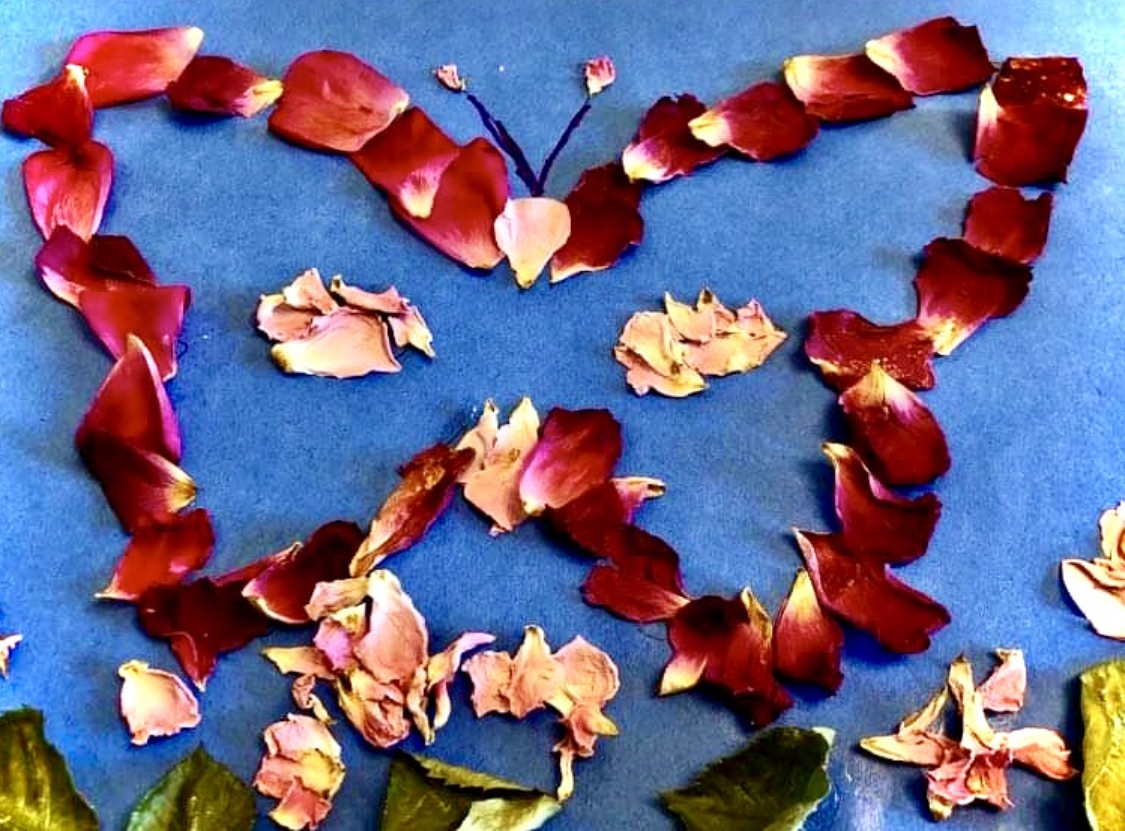
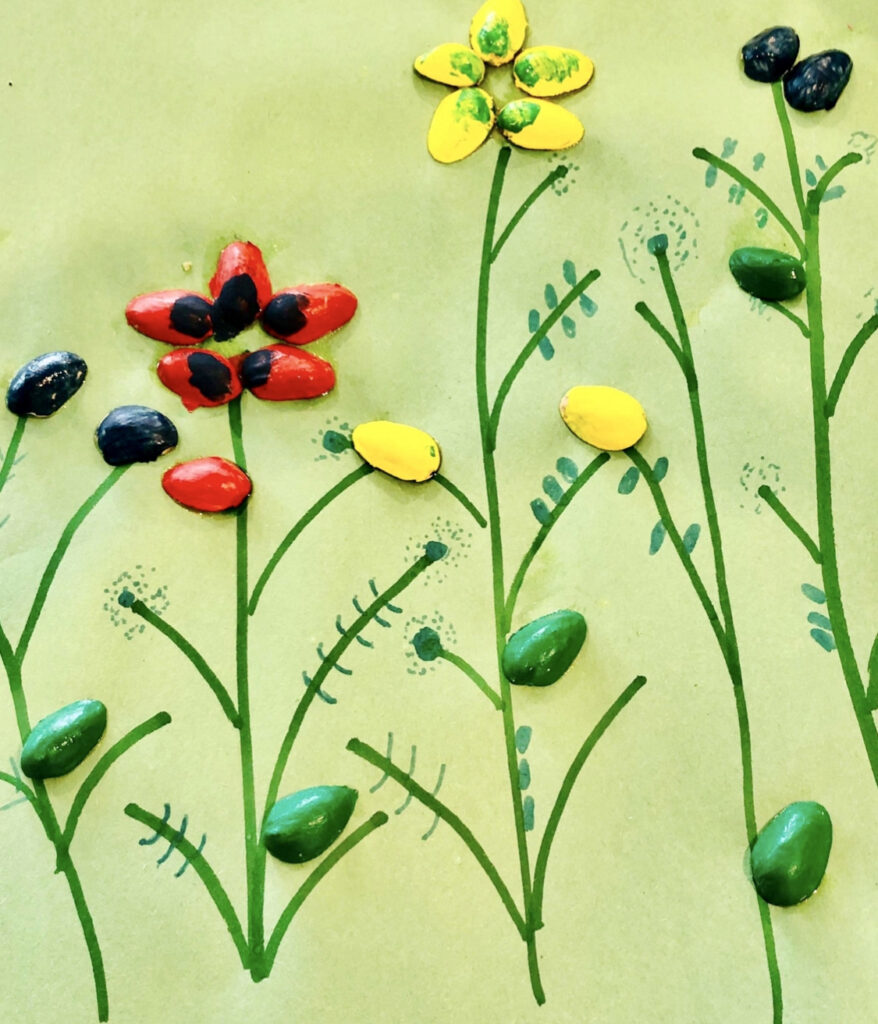
You can recycle and reuse many outdoor flower petals, seeds and shells to make beautiful creations such as using pistachio shells to create flowers, mushrooms to make prints out of or rose petals to make a beautiful butterfly scene choices are endless.

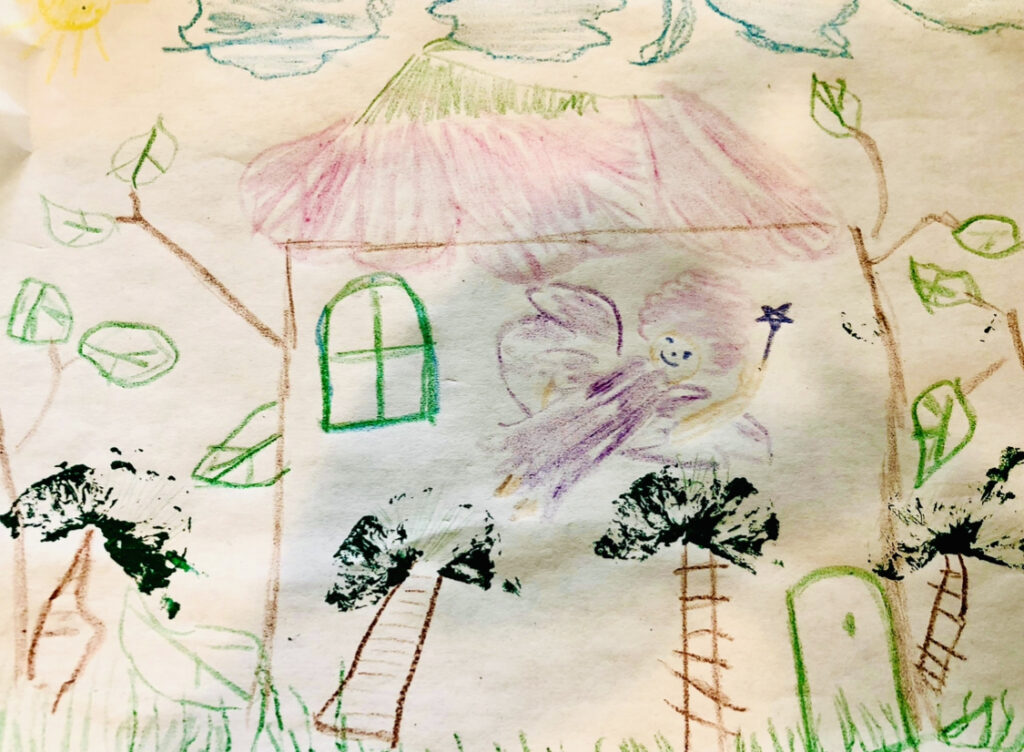
Here are some of the creations inspired by nature that Avi made.

Flower petals along with markers on colored paper.

Mushrooms used as stamps or spongelike tool for painting.

Fallen rose petals from our garden glued to construction paper.

Grow Gardens

Four-year old Helping Ninja Avi loves to garden! Thank you Avi for helping to grow gardens! ❤️🌎🌱

Avika is very kind and compassionate and loves to garden and loves all animals. Daily she enjoys picking flowers from the garden along with watering her own garden and flowers!

Avi loves watching how the flowers bloom and how vegetables grow, and looks forward to eating them. ☺️🍅🌻 

Youth Grow Gardens

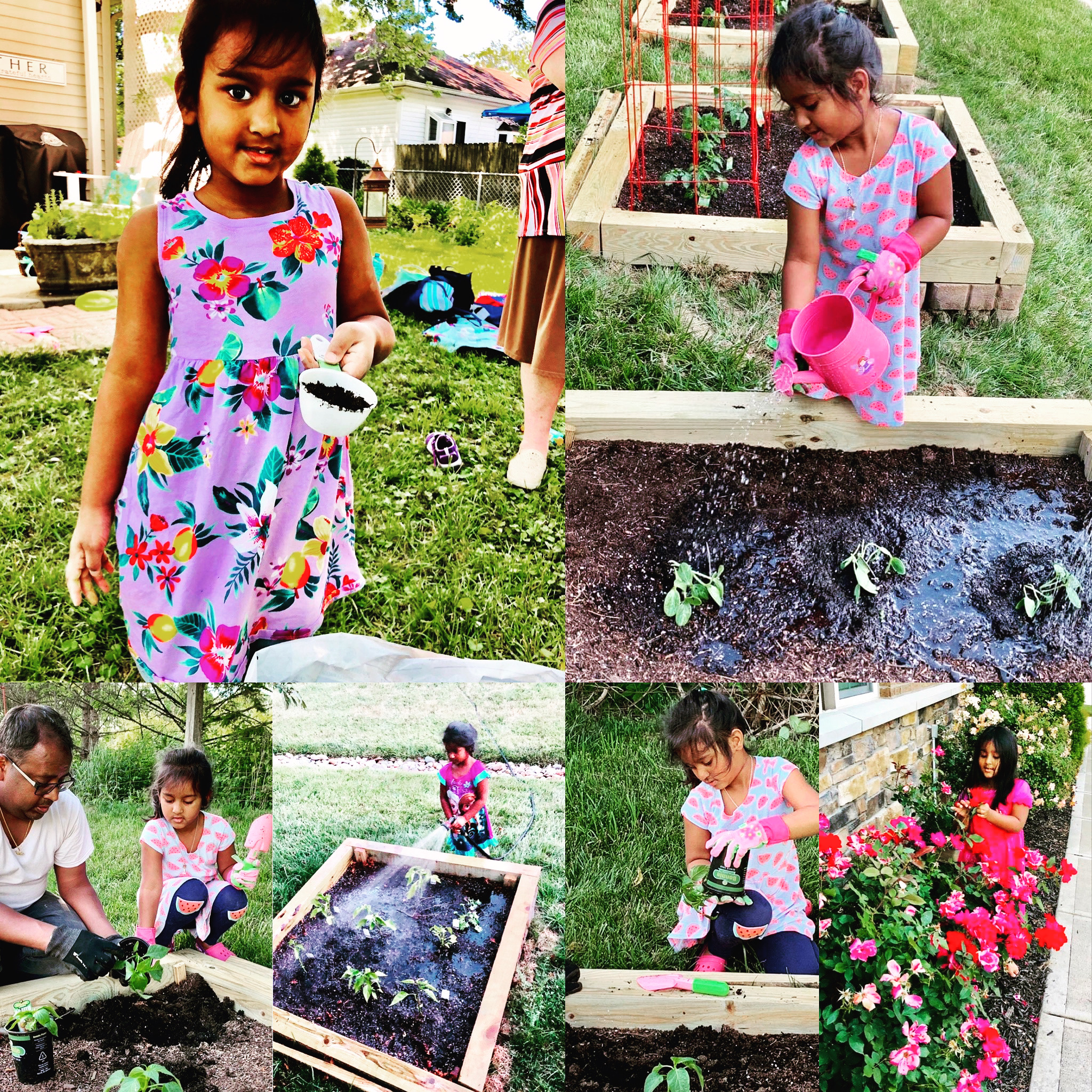
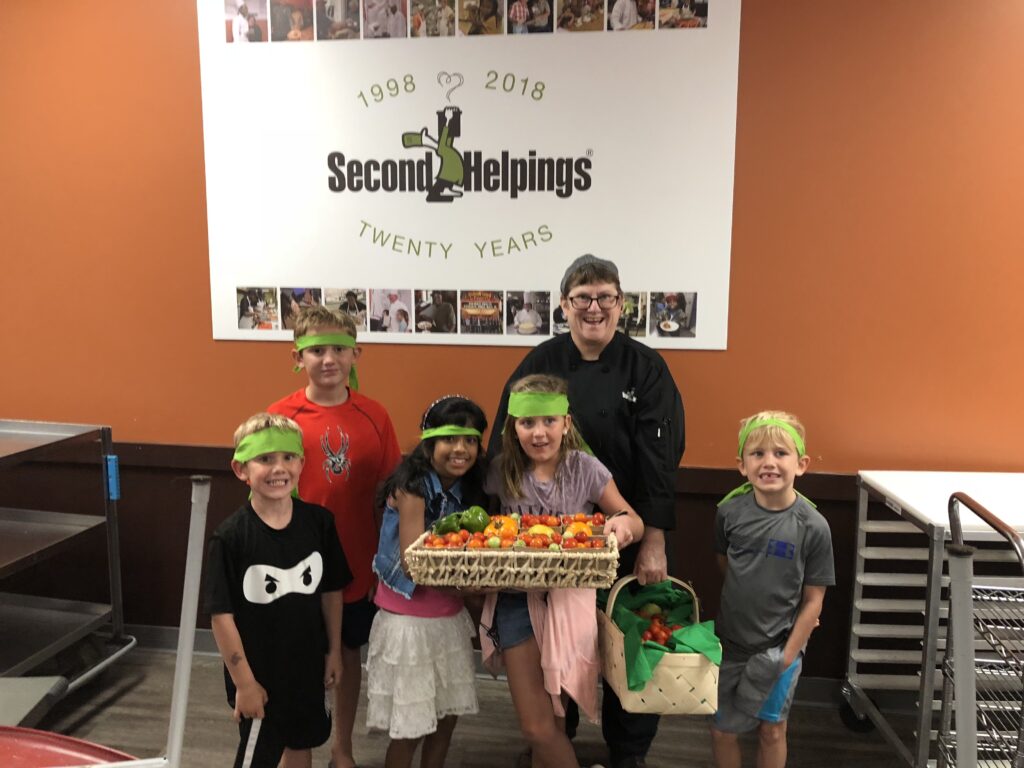
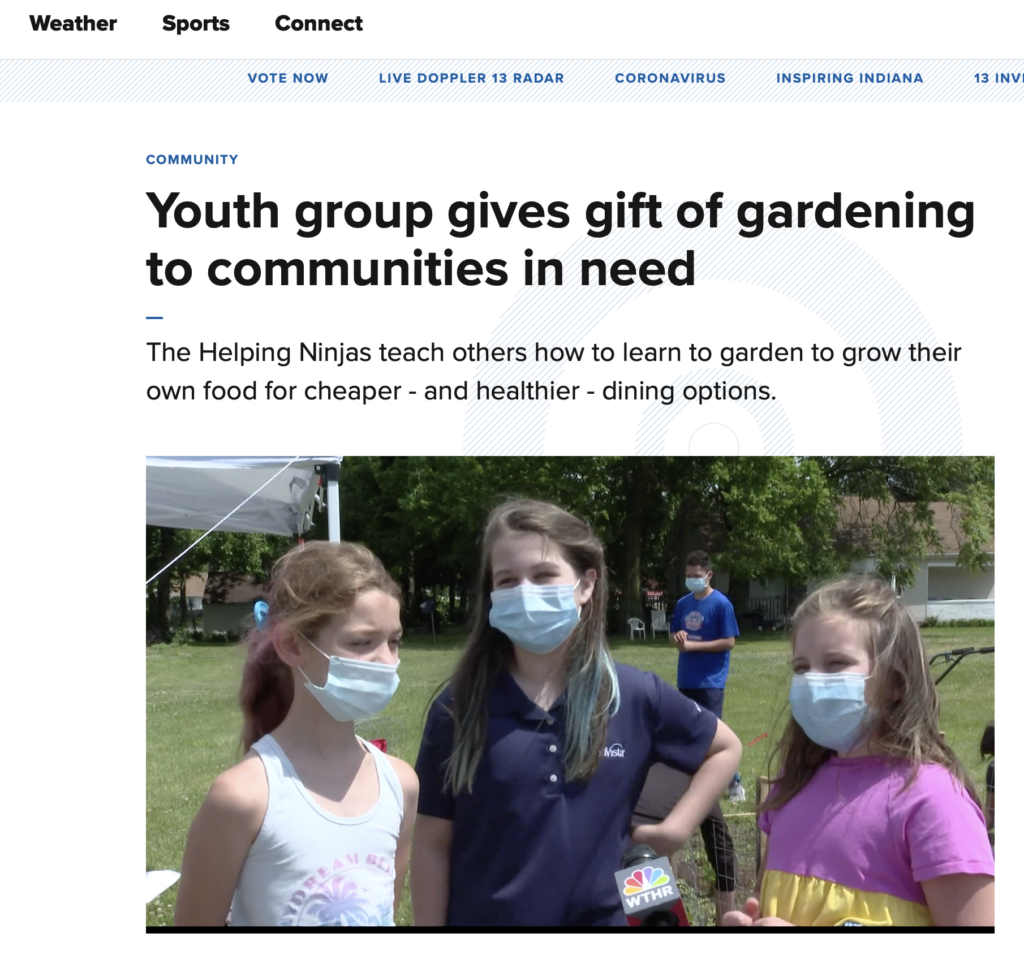
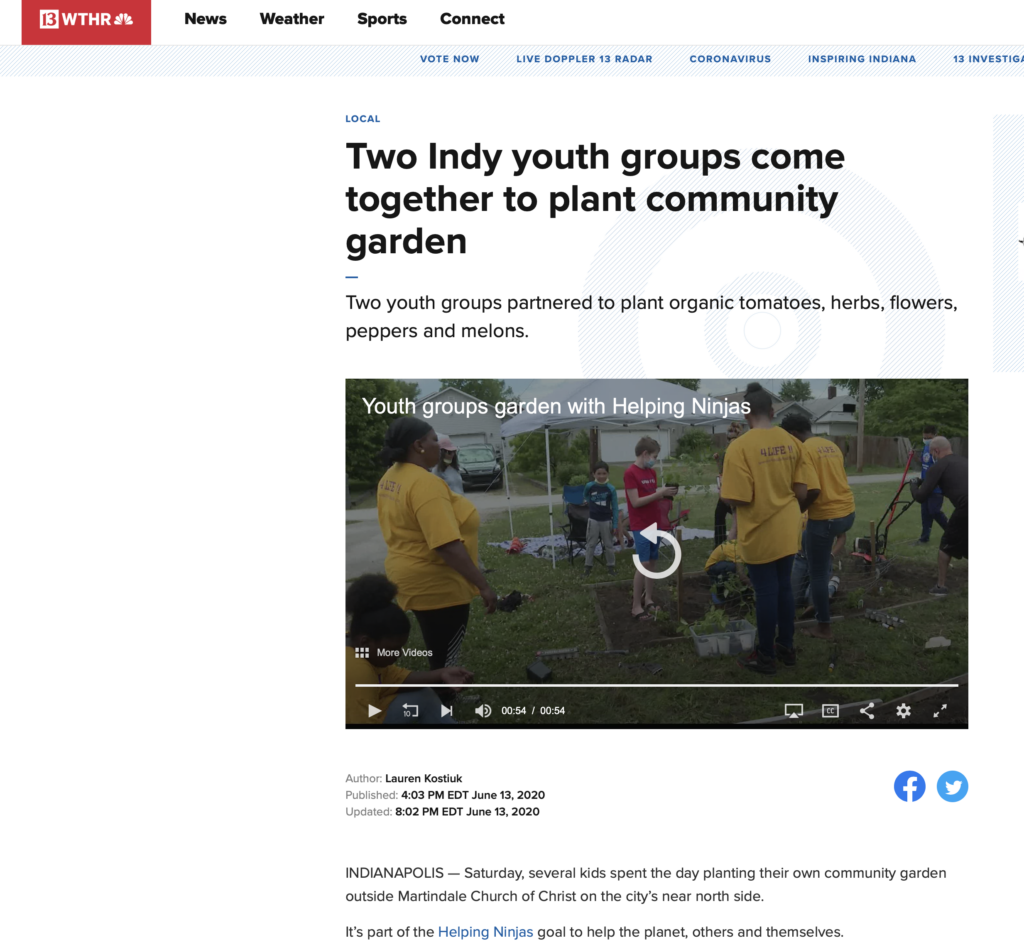
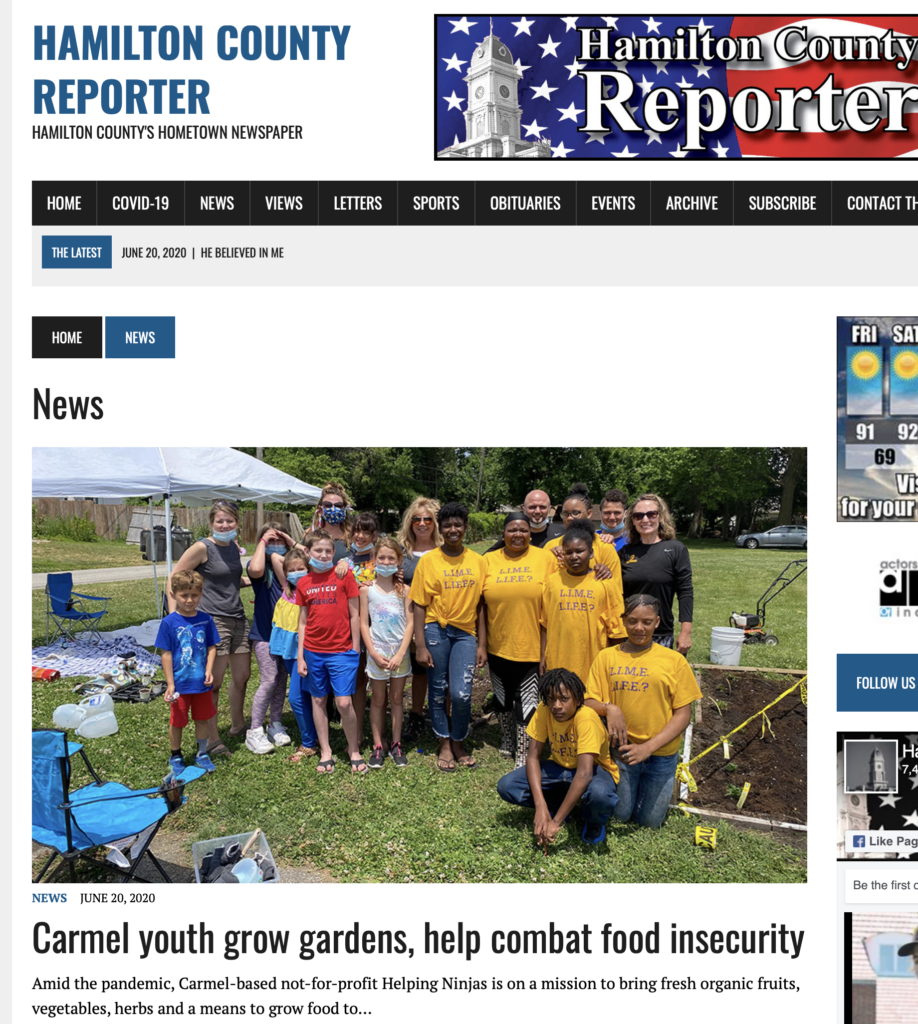
About eight months ago, our family met Tammy, through our volunteer work at Second Helpings. (Tammy is volunteer there too). Chef had told her about Helping Ninjas, and Tammy asked us if our ninjas could help her community youth group. We were eager to help and decided what better way than to help the children was to give them an opportunity to learn to grow their own food.

Due to the stay and home orders, we were unable to meet until recently. The garden was a success and all involved learned something new.

Afterwards, Helping Ninjas founder and our eleven year-old son, Leo, said to me:

“Mom, we should do more gardens. We can help more people.” 

And I agreed. ☺️

The idea is to engage youth and to educate them on all aspects of gardening. From soil to seed, each plant and flower has a purpose and will continue to provide year after year. Each food item harvested becomes next year’s garden seeds. Through this iniatative we hope to help teach other children how to grow gardens!

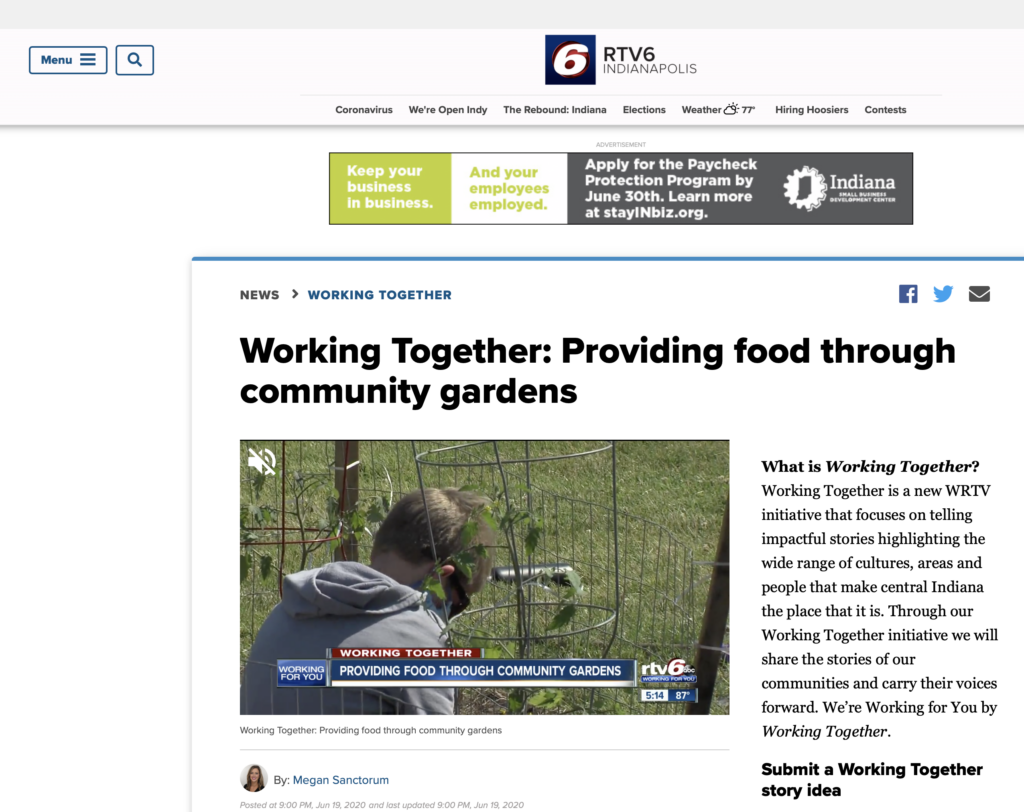
“Everyone deserves access to fresh food,” said Leo Berry, eleven-year old founder of Helping Ninjas and CCS student. “If we all work together, we can help.”

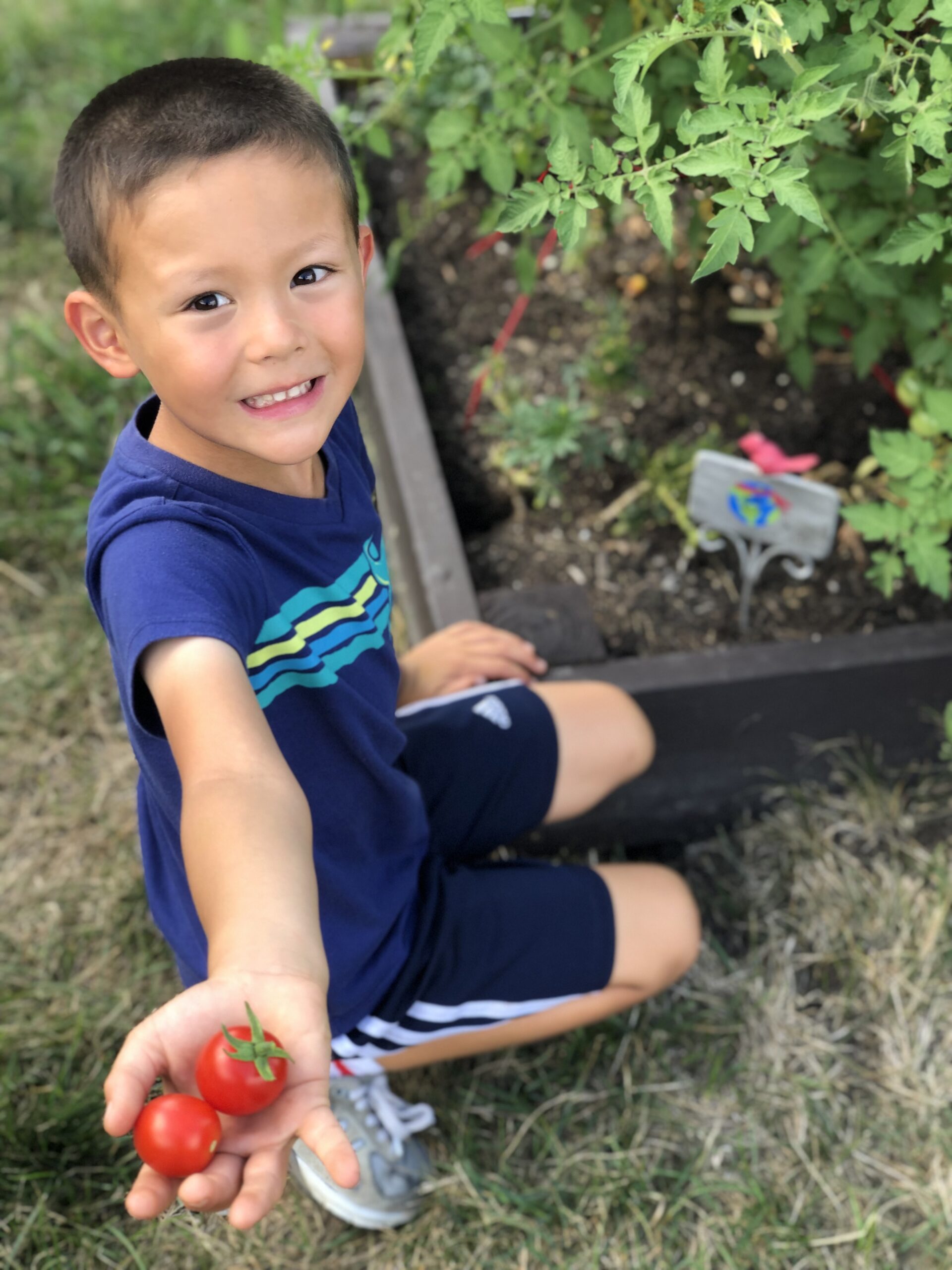
From 2017 to date, Helping Ninjas has organized local Carmel youth to learn to grow organic gardens at schools, in after-school programs, in their backyards, in the Carmel community garden, and donated fresh produce to their community and to Second Helpings in Indianapolis. 

In The News

The Seven Types of Plastic

By: Kate Riegel, Helping Ninja, Age 17, California

Follow Kate on Instagram: @pollution_solution_

            There are seven different types of plastic. That’s right, seven!! Each type can vary in terms of common uses, toxicity levels, and ability to be recycled. On almost every plastic object there will be a small recycling sign with a number inside of it. This sign doesn’t mean that the product is recyclable; it just tells you what type of plastic it is.

            Type 1: Polyethylene terephthalate (PETE or PET)

This type of plastic is often used for plastic water bottles and household cleaning product containers. PETE is relatively safe for human health but can produce carcinogens when heated. Most recycling facilities accept type 1 plastic.

            Type 2: High-density polyethylene (HDPE)

HDPE is often used for milk jugs and butter tubs. This kind of plastic is safe for human health because it has a low risk of leaching chemicals. It is also accepted by most recycling facilities.

            Type 3: Polyvinyl chloride (PVC)

Type 3 plastic is normally used for food wrap, shower curtains, and bottles for cooking oil. PVC is unsafe for human health because it contains chemicals called phthalates that disrupt hormonal development. It is best to avoid PVC, especially in objects that will surround food or heat up. In addition, this kind of plastic is rarely accepted at recycling centers.

            Type 4: Low-density polyethylene (LDPE)

This type of plastic is typically used for grocery bags and bread bags. LDPE is safe for humans but is not accepted for recycling. Thin plastic bags can get stuck in recycling machines, causing them to break and require costly repairs. It is always best to carry reusable grocery bags and try to get bread plastic-free.

            Type 5: Polypropylene (PP)

PP is often used to make yogurt cups, ketchup bottles, and kitchenware. It is relatively safe for human health and is accepted by most recycling facilities.

            Type 6: Polystyrene, or Styrofoam 

Styrofoam is used for disposable food containers and packaging. Type 6 plastic isn’t safe for human health because it leaches potentially toxic chemicals, especially when heated. Also, styrofoam is very difficult to recycle.

            Type 7: Other

This category of plastic contains every other plastic that doesn’t fall into one of the first six categories, including new plastics, bioplastics, and compositions of several types of plastic. Some uses are baby bottles, CDs, and DVDs. Scientists are unable to determine the toxicity level of type 7 plastic because there is so much variety. Type 7 plastic is also very difficult to recycle.

            To conclude, not all plastic is the same. The risks of usage and rules for recycling differ with each of the seven types. I hope that you have learned some facts about plastic from this article and are inspired to use less of it! 

Fast Fashion

By: Kate Riegel, Helping Ninja, Age 17, California

We are having an epidemic of fast fashion. Clothes are bought and discarded quicker than ever before because they have become so cheap. However, they have become inexpensive at a high price to garment workers and the environment.

The fashion industry emits more carbon than international flights and maritime shipping combined. Here are the biggest ways it impacts the planet.

Before we explore the ramifications of fast fashion on the laborers and the natural world, we must truly understand what fast fashion is.

Definition: “Fast fashion can be defined as cheap, trendy clothing, that samples ideas from the catwalk or celebrity culture and turns them into garments in high street stores at breakneck speed.” (Good On You). 

To illustrate how exponentially the quantity of clothes has risen, let me give you an example. Before fast fashion, there were four fashion seasons: winter, spring, summer, and fall. Now, there are 52 fashion seasons. With new trends being generated every week, consumers constantly feel as though they are “behind” on the latest fashions. Fast fashion companies thrive when people have this unsatisfied feeling because it keeps customers running to their stores to buy more, more, and more. 

Let’s look at a statistic. In 1960, about 95% of clothes sold in the United States were made in the United States. Now, about 3% of clothes sold in the U.S. are made in the U.S. That is because companies have moved their factories to countries such as Bangladesh and China, where there is cheap labor. Therefore, garment workers for fast fashion companies are exploited in order for these companies to produce excessive amounts of clothing at low prices. Now that we understand fast fashion and its effects on workers, let’s dive into its effects on the environment.

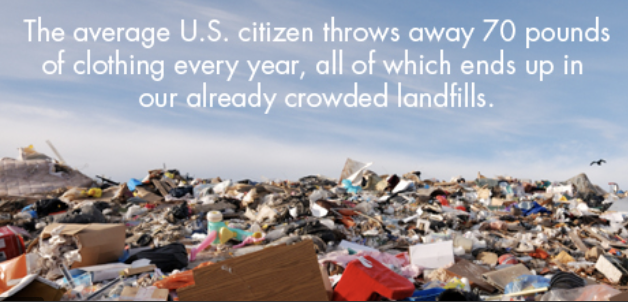
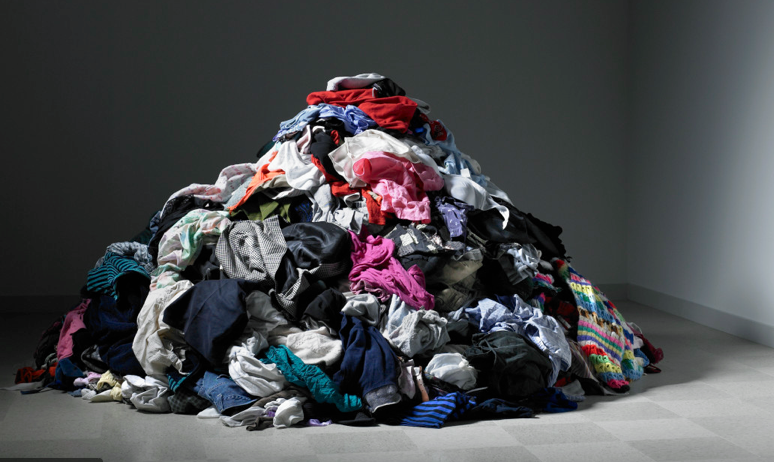
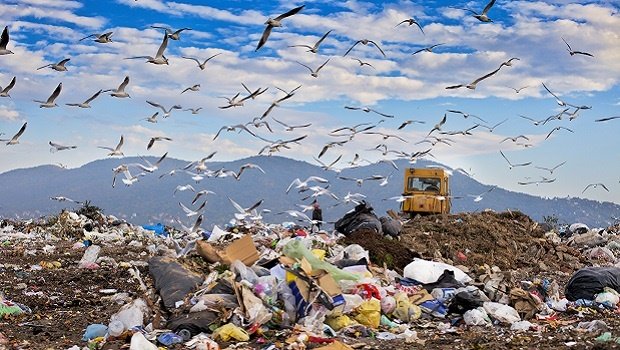
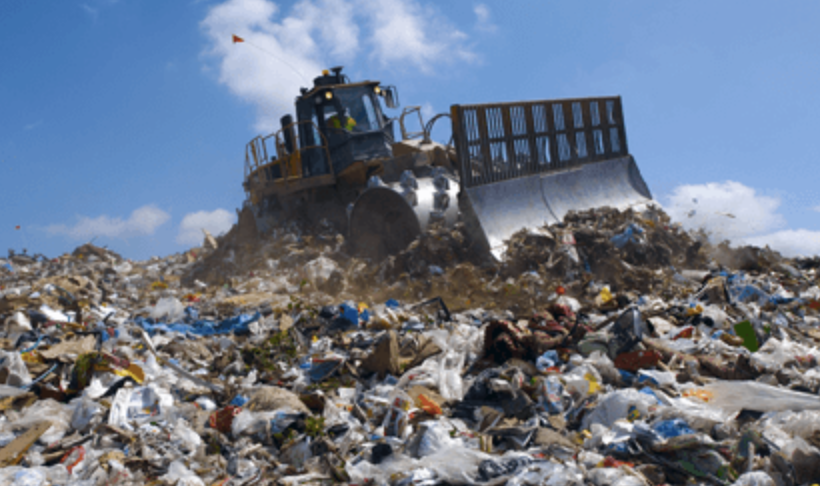
On top of the harm caused by production and washing, clothes are also being discarded at an alarming rate. Since clothes have become much more inexpensive and trends now change so quickly, many people throw out their old clothes and buy new ones frequently. This pattern means that lots of clothes end up in the landfill along with tons of other plastic waste.

“In a landfill, the decomposing clothes release methane, a harmful greenhouse gas. Synthetic fabrics like polyester and lycra can take hundreds of years to biodegrade.”

The fashion industry contributes significantly to water pollution and plastic pollution. Harmful chemicals used to dye clothes are disposed of in local rivers or dumped on the ground, where they sink down into the groundwater.

For instance, almost every piece of clothing is dyed a certain color. Textile dyeing is the world’s second largest polluter of water. In addition, fast fashion companies add to the plastic pollution problem because of the materials they use.

Polyester is one of the most popular materials. Polyester is a type of plastic. It is made from petroleum, which means that it requires oil to produce. Drilling for oil makes the climate crisis worse, so making huge amounts of clothes that require oil has horrible consequences on the environment. Also, when materials such as polyester are put in a washing machine, hundreds of tiny microfibers break off of the clothes.

These microfibers are so small that they slip past the washing machine filter and make their way into the ocean. They pollute the ocean and are small enough for a variety of sea creatures to ingest.

All in all, we can see that fast fashion has a detrimental effect on the planet. In conclusion, by examining the harm that fast fashion has on the planet, it is easy to understand how fashion is the second largest polluting industry in the world.

Thankfully, there are many steps that we can take to make the fashion industry greener and more ethical.

Firstly, we can buy clothes that we love and will wear for a long time. Second, we can buy clothes second-hand or swap clothes with friends. Third, we can purchase clothes from eco-conscious and ethical companies. Also, we can write to our favorite clothing companies and tell them that we care about garment workers and the environment. To reduce microplastic pollution, we can wash our clothes only when they are dirty and wash them with cold water.

Finally, we can treasure the clothes that we have and try our best to get a long use out of them!

This article was written by Kate Regal and edited by Helping Ninjas.

Follow Kate on Instagram: @pollution_solution_

Want learn more about fashion waste?

Here are a few helpful links.

https://www.w24.co.za/Style/Fashion/Trends/fashion-waste-this-is-how-long-it-takes-your-clothes-to-decompose-20180118

https://www.theguardian.com/fashion/2017/dec/06/landfill-becomes-the-latest-fashion-victim-in-australias-throwaway-clothes-culture

https://www.newsweek.com/2016/09/09/old-clothes-fashion-waste-crisis-494824.html

https://www.businessinsider.com/fast-fashion-environmental-impact-pollution-emissions-waste-water-2019-10

Earth Day 2020

By: Arjun Sunil, Helping Ninja

Earth day is the one day every year, where people can help the environment with the people around them. It is the one day that is only about the environment. Some people don’t do much for Earth Day. But not everyone. So many people plant trees, compost, and much more! They want to make the most of April 22nd, Because it’s only here once a year! Earth Day is the time to thank our Earth for the shelter, warmth, resources, and food it provides us. Our way of saying thank you is by making the earth feel young again! if we plant trees, the earth’s atmosphere could end up similarly to how the atmosphere was before the industrial revolution.

Instagram
Follow by Email