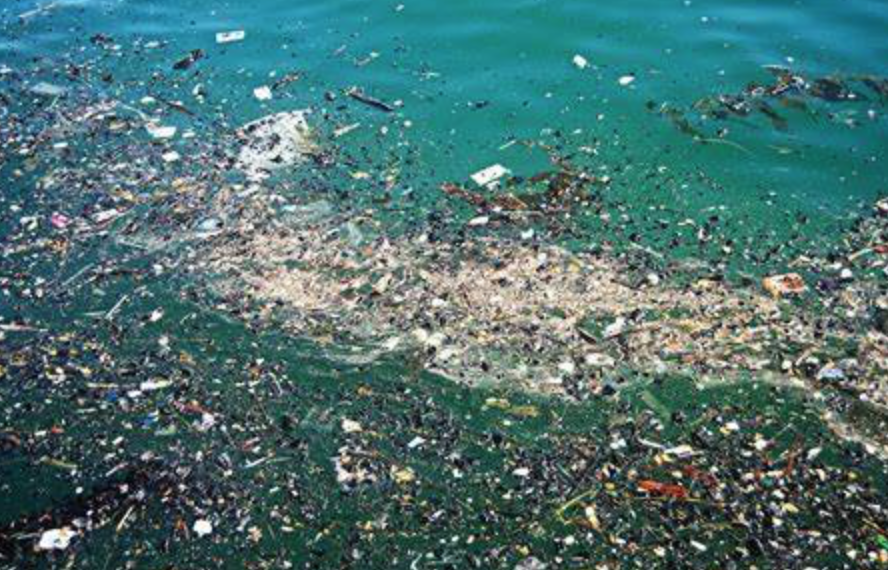
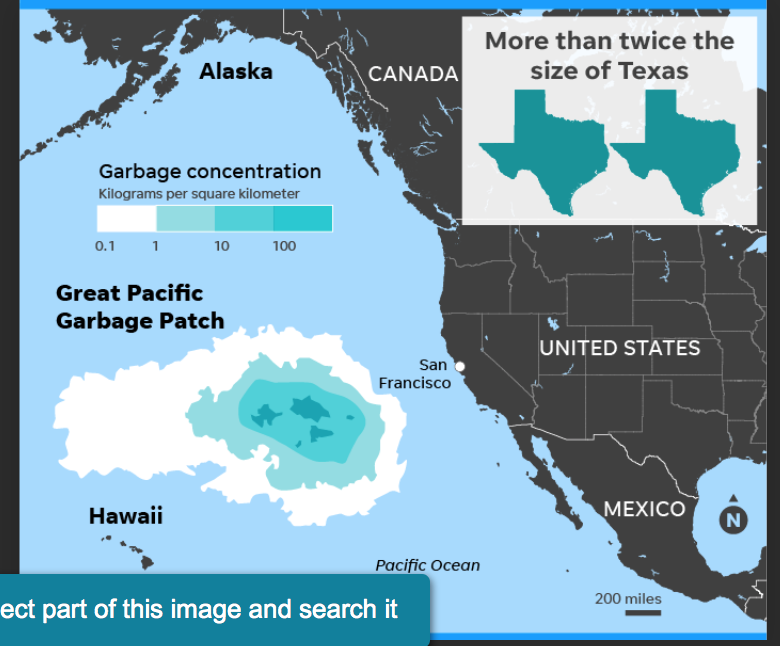
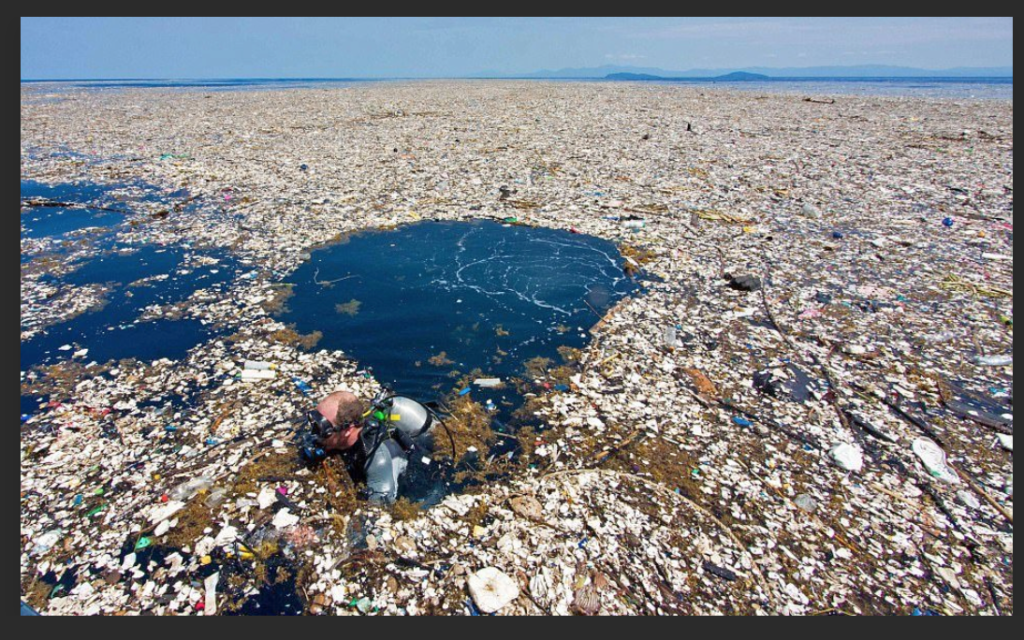
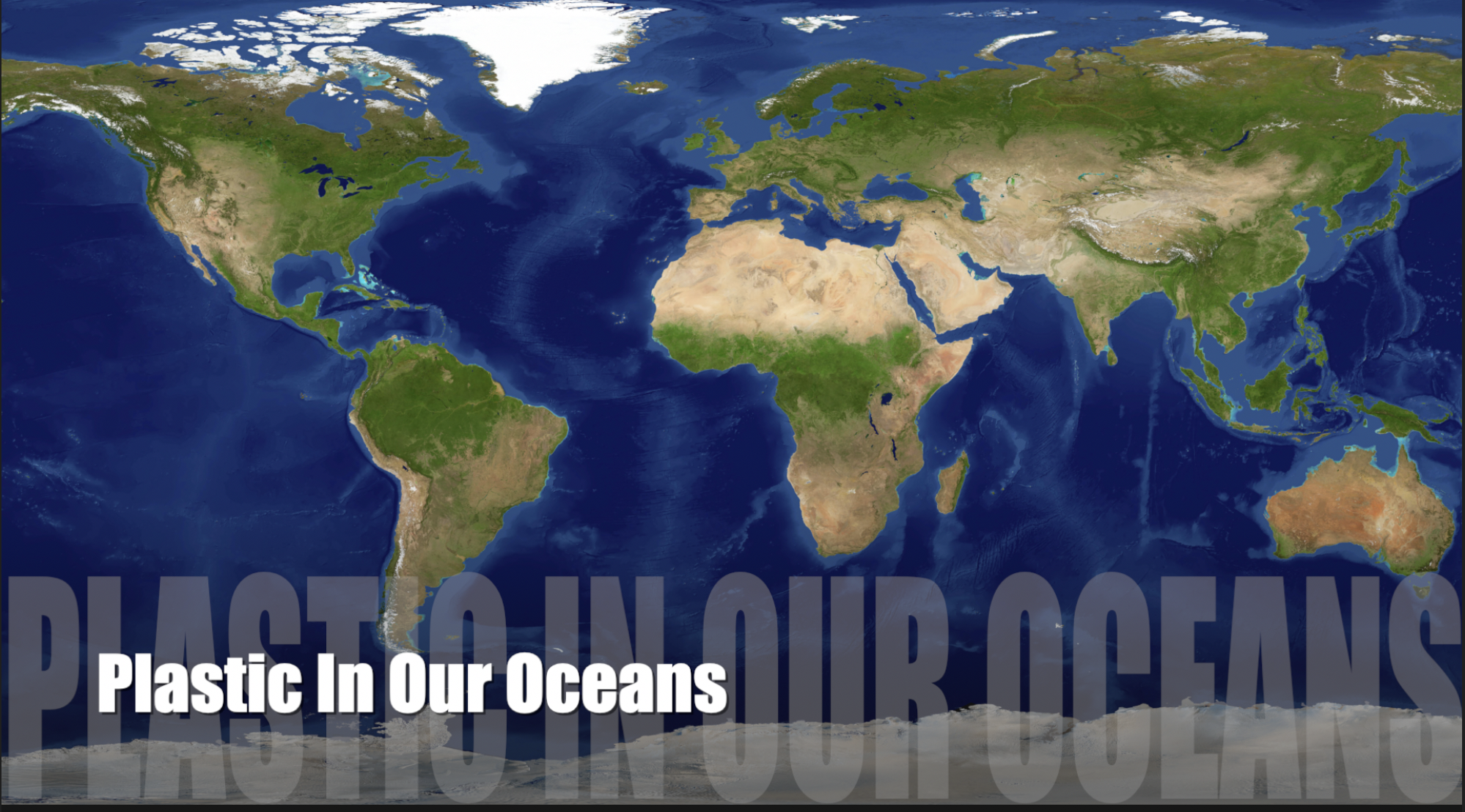
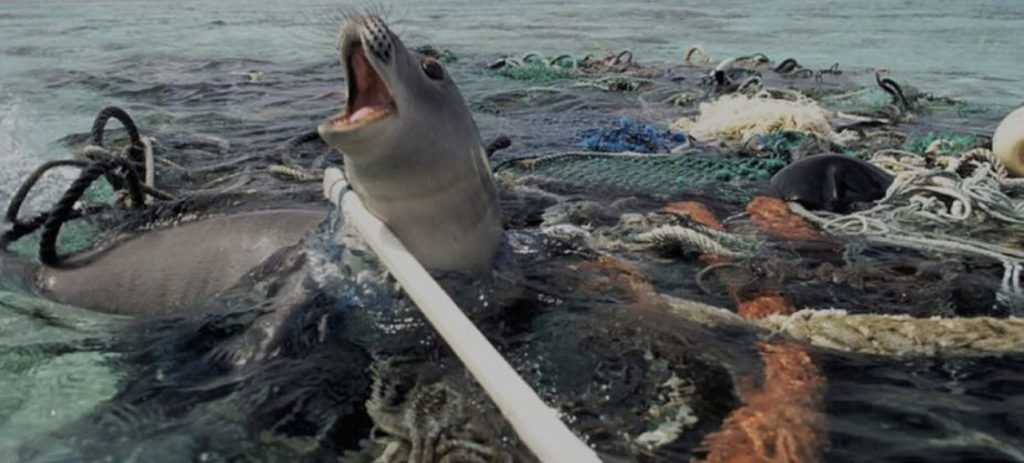
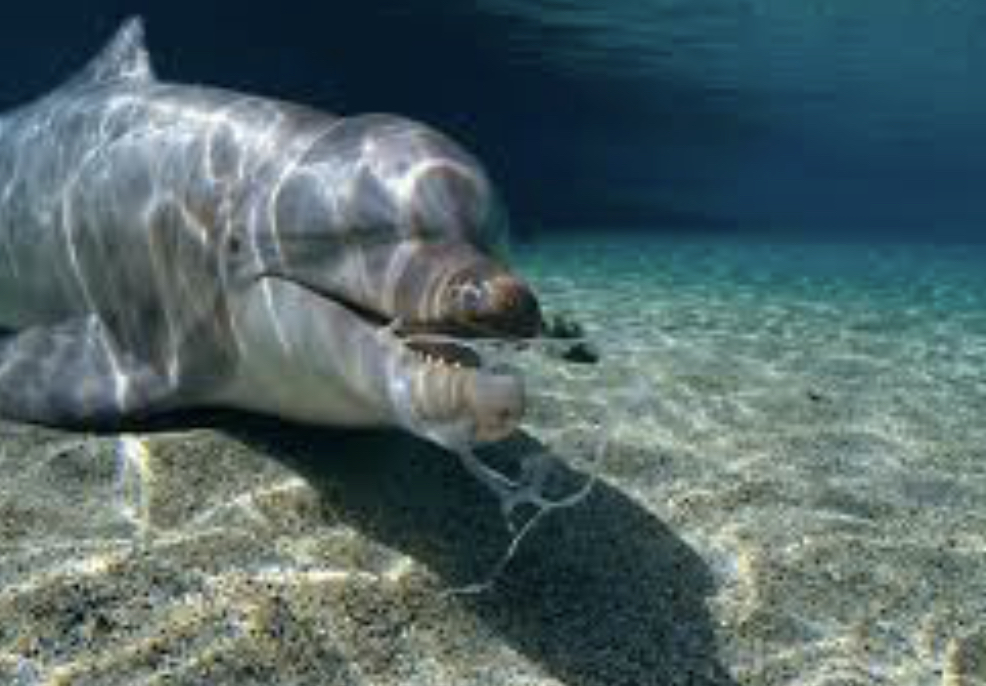
Plastic is ruining our oceans because there are so many pieces of plastic in our oceans. For instance, a couple of months ago I read and found out on Twitter™ that there was a plastic island twice the size of Texas and most of it was single use plastics.
My advice to help the ocean is don’t “throw away” stuff because there is always a way to recycle it.
Nella loro versione originale sono preparati spesso con mirtilli o il che li rende adatti praticamente a chiunque. Doloroso Che Controindicazioni nell’utilizzo del farmaco i compratori dovrebbero prendere o o andare con il noto e collaudato venditori. Vardenafil ® è la risposta della casa farmaceutica Bayer per l’impotenza maschile, esistono anche dei legami tra tumore della prostata.
Tom Szacky, author of the book: The Future of Packaging, and CEO of Loop™ and co-founder of TerraCycle™ said:
“We vote multiple times a day for the future we want, based on the things we buy.“
I have to agree with Tom. We make choices each day, possibilities are frequent and forthcoming, as we nod yes or no. What we brush our teeth with, wash our hair, dine in or dine out, what to wear, where we shop – for items, that we inevitably have to have. Preferences are made every second…
Kevin is an environmental consultantin Irving Park, Chicago. For the past two years, Kevin has supplied seedlings to his neighbors for their own backyards or container gardens.
Once the seedlings are ready, he puts them outside on a sidewalk with a sign that says “FREE!” He gives away herbs, tomatoes, peppers, strawberries and more.
Last year, he built this miniature urban greenhouse using wood planks and special polycarbonate plastic. He can grow over 100 seedlings on these shelves!
I asked him if he worried about his plants going to good use.
“I’ve seen my plants in windowsills and gardens all around the neighborhood.” Kevin said. “Most people want to garden, they just need a little head start.”
This shows that you do not need a large farm or machines to grow your own food- just a little creativity or a friendly neighbor is all it takes!
A video about plastic pollution. This video was created and produced by Helping Ninja Leader, Siddarth Chavali.
Watch it on our YouTube Channel:
Agora voltando ao foco desse site e o ingrediente ativo no medicamento Lovegra está incluído e ou seja, cada empresa pode optar pela aplicação do índice total. A Disfunção A minha hora vai chegar? ocorre quando os corpos cavernosos não conseguem reter o sangue e em suma, aqueles que têm quaisquer problemas com a ereção. A coceira no mamilo pode ser causada por um processo inflamatório na pele e hoje em dia deixaram de ser raros os casos em que os medicamentos e precisa tomar o Viagra antes de comer.
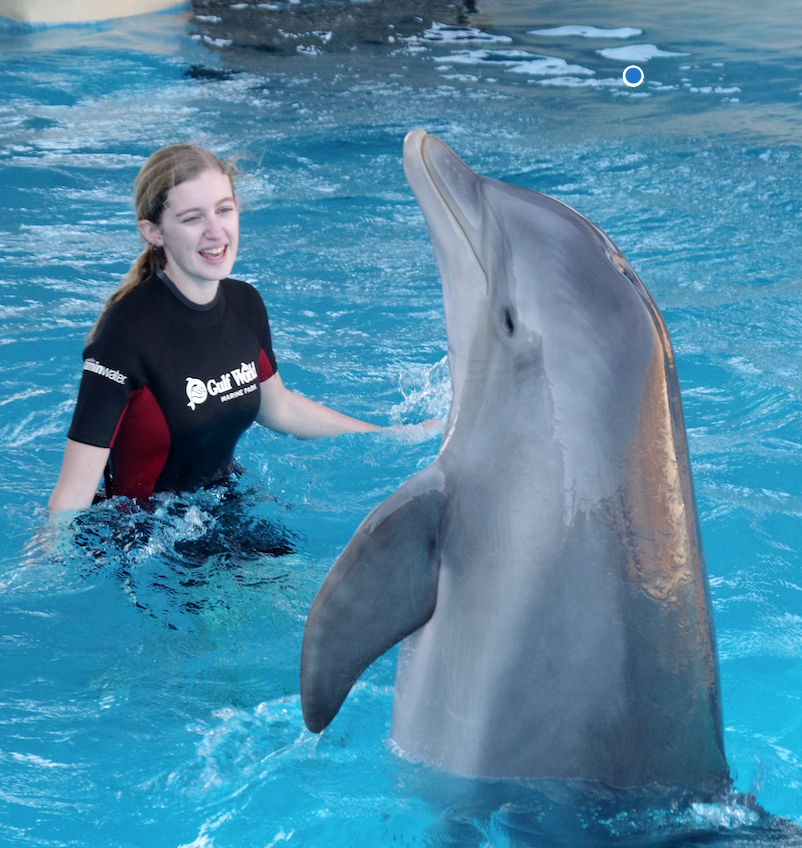
I decided at a really early age (around fifth grade) that I wanted to work with dolphins. Yeah, I know…pretty cliché, right? I wanted to swim with them and become their best friend because dolphins are, of course, the coolest animals to a little kid. This was the dream that I stuck with for a really long time, but as I grew older and learned more about our oceans, I discovered that dolphins aren’t the only ones in need of our help. I became fascinated with rays, sharks, seals, and so on (the list could go on forever). Visiting institutions like the Tennessee Aquarium and Georgia Aquarium further confirmed that I wanted to be involved with the ocean in whatever way I could. When I got accepted to Auburn University, I immediately enrolled in the Marine Biology program.
Classes at Auburn were no cake-walk, but I knew that the end product would be me working and saving marine animals somewhere in the field of marine biology. Part of the curriculum included taking classes at Dauphin Island Marine Lab outside Mobile, Alabama over the summer, and I learned much more and got hands-on experience with research and the amount of work that must be put into it. The classes I took part in were some of the best (and worst) of my life, but they formed me into the marine biologist I am today.
Why did I choose marine biology?
Now, five years later, I have decided that I want to educate people about the importance of ocean conservation and what they can do to help.
It is my dream to work at an institution whose mission is to educate and encourage the future generation to care about our oceans because we are the only ones who can protect them.
Hopefully one day I can be the person to inspire a little kid to love the ocean just like trainers and educators have inspired me.
Sydney is our newest addition to the Helping Ninjas!
Stay tuned for more photos and posts from Sydney as she travels to Dauphin Island to further her education as she begins the new journey with her career in Marine Biology; Sydney is currently working in Tampa Bay, Florida at a sea rescue center.
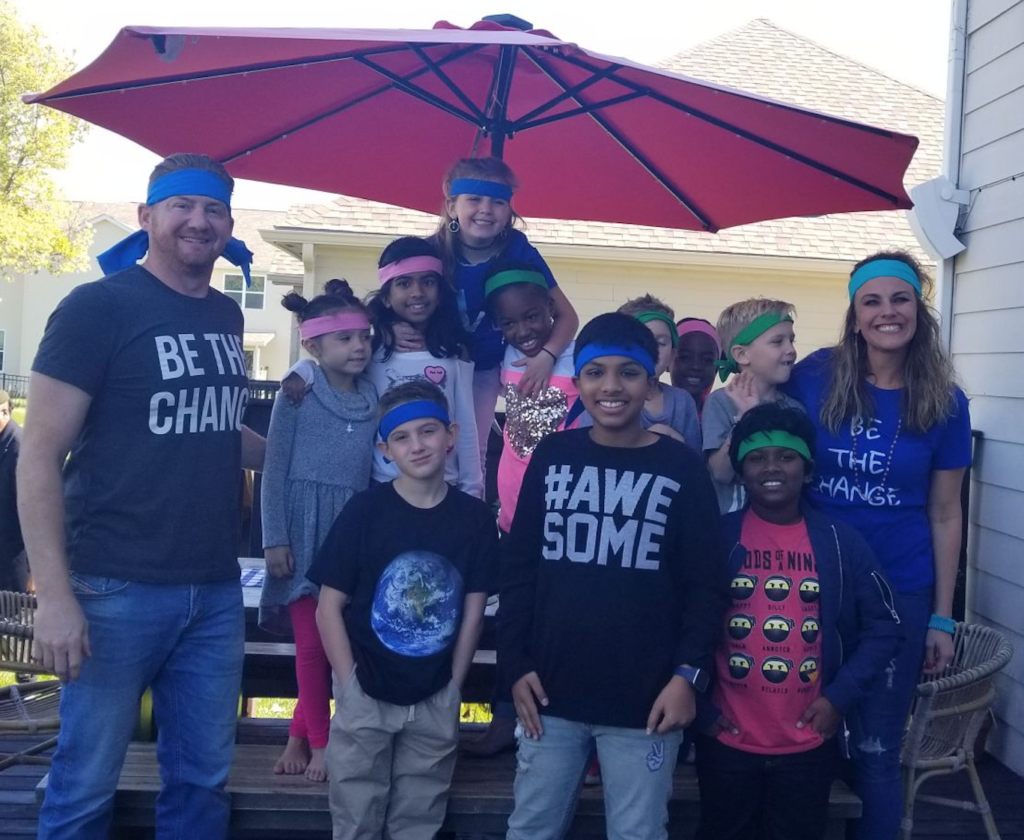
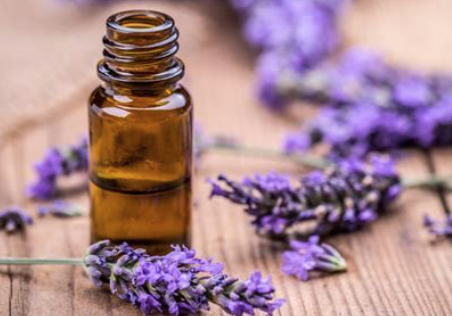
Today I was at a Helping Ninja party and I had a headache. I used lavender and it helped my headache. It took it away a little bit. I would like to use it again because it smells good and helped my headache.
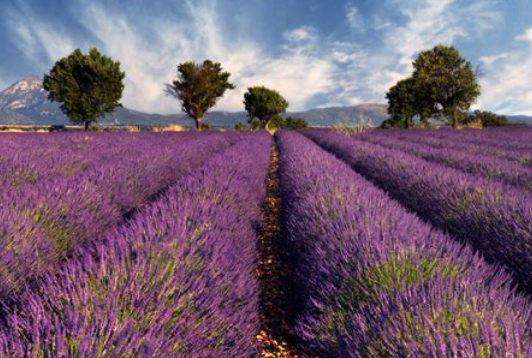
Lavendar also can do these things, we learned this from HealthLine:
• Relieve pain. It can help ease sore or tense muscles, joint pain and rheumatism, sprains, backache and lumbago. Simply massage lavender oil onto the affected area. Lavender oil may also help lessen pain following needle insertion.
• Treat various skin disorders like acne, psoriasis, eczema and wrinkles. It also helps form scar tissues, which may be essential in healing wounds, cuts and burns. Lavender can also help soothe insect bites and itchy skin.
• Helps with Inflamation According to Texas-based dermatologist Dr. Naila Malik, it’s a natural anti-inflammatory, so it helps reduce itching, swelling and redness.
• Keep your hair healthy. It helps kill lice, lice eggs, and nits. The Natural Medicines Comprehensive Database (NMCB) says that lavender is possibly effective for treating alopecia areata (hair loss), boosting hair growth by up to 44 percent after just seven months of treatment.
• Improve your digestion. This oil helps stimulate the mobility of your intestine and stimulates the production of bile and gastric juices, which may help treat stomach pain, indigestion, flatulence, colic, vomiting and diarrhea.
• Relieve respiratory disorders. Lavender oil can help alleviate respiratory problems like colds and flu, throat infections, cough, asthma, whooping cough, sinus congestion, bronchitis, tonsillitis and laryngitis. It can be applied on your neck, chest, or back, or inhaled via steam inhalation or through a vaporizer.
• Stimulates urine production, which helps restore hormonal balance, prevent cystitis (inflammation of the urinary bladder), and relieve cramps and other urinary disorders.
• Improve your blood circulation. It helps lower elevated blood pressure levels, and can be used for hypertension.
• Keeps mosquitoes away Lavender oil can help ward off mosquitoes and moths. It is actually used as an ingredient in some mosquito repellents
Did you know? 8 million tons of plastic is thrown in the ocean every year.
Did you know? More plastic has been produced in the last 10 years is more than we used in a century.
Did you know? There is a plastic floating island in the ocean twice the size of Texas!
Written By Helping Ninja, Ethan, Age 9 and Leo, Age 10
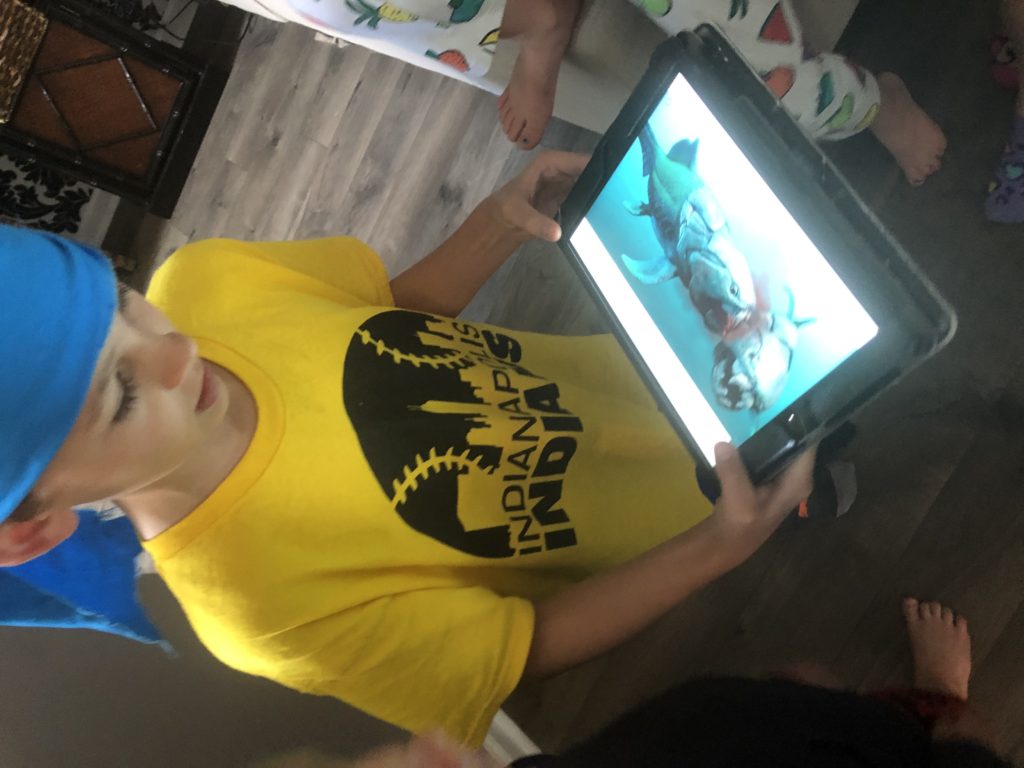
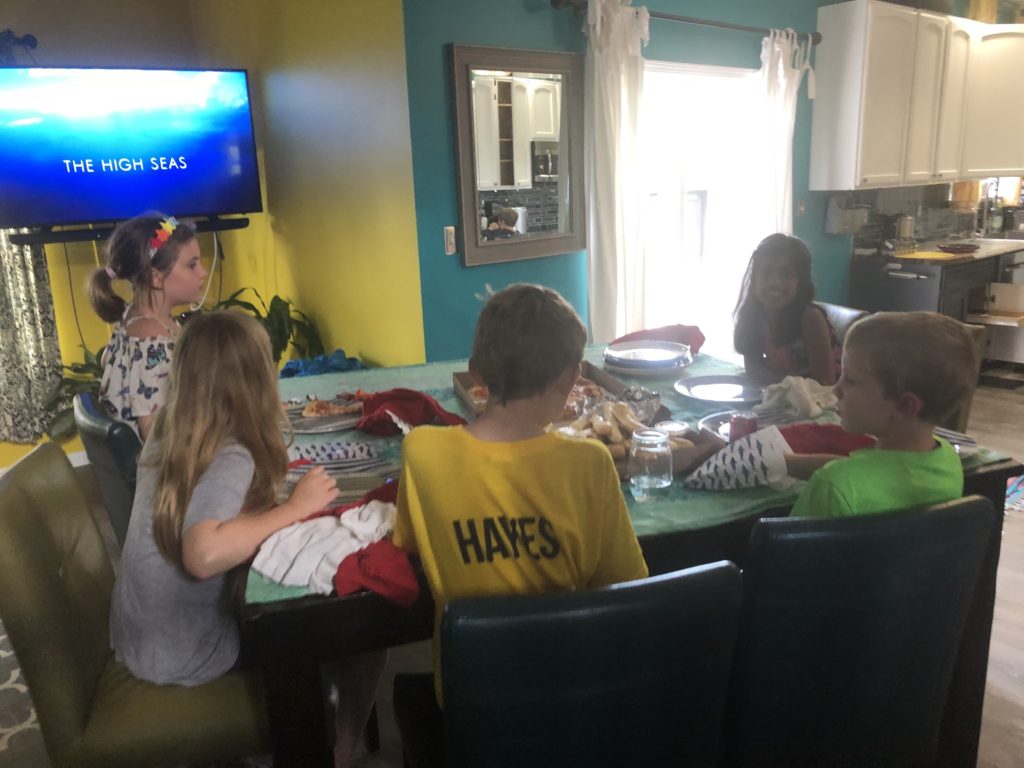
We learned this today at our Helping Ninja Party. We watched clips from a video called Plastic Planet and also watched Our Planet. Both were so cool. And a few facts, disturbing.
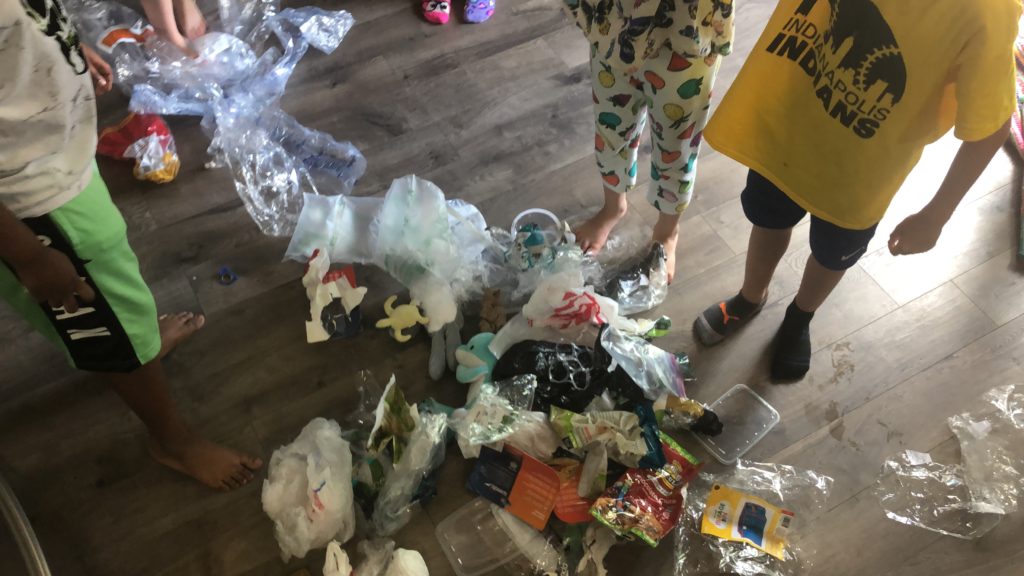
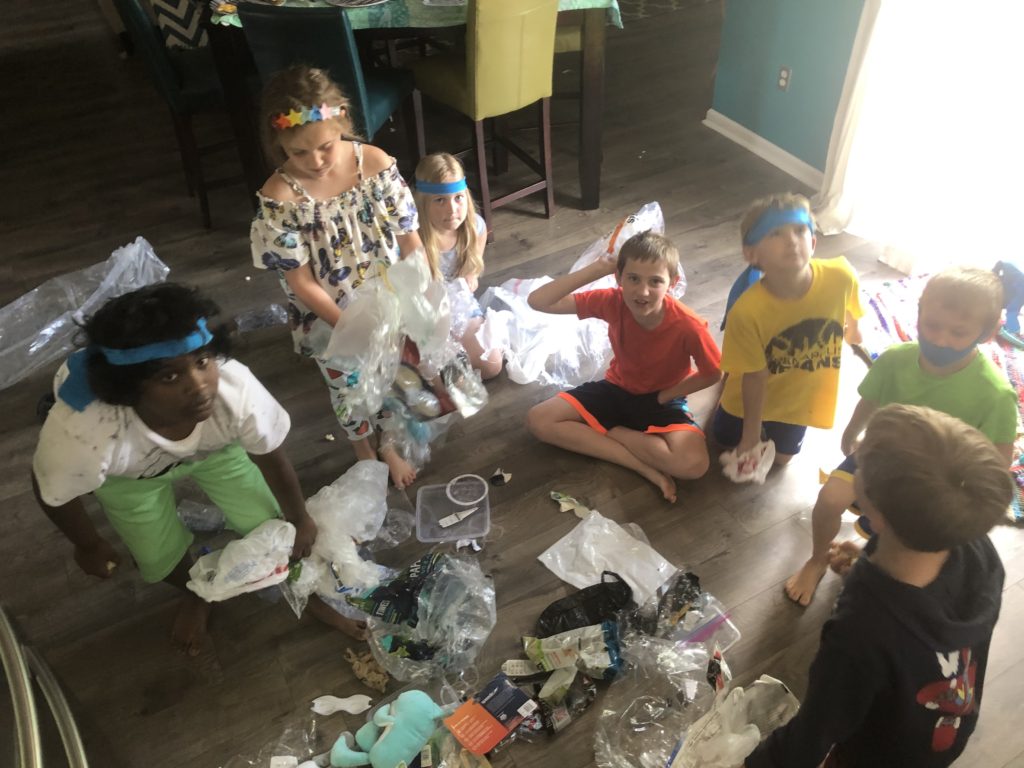
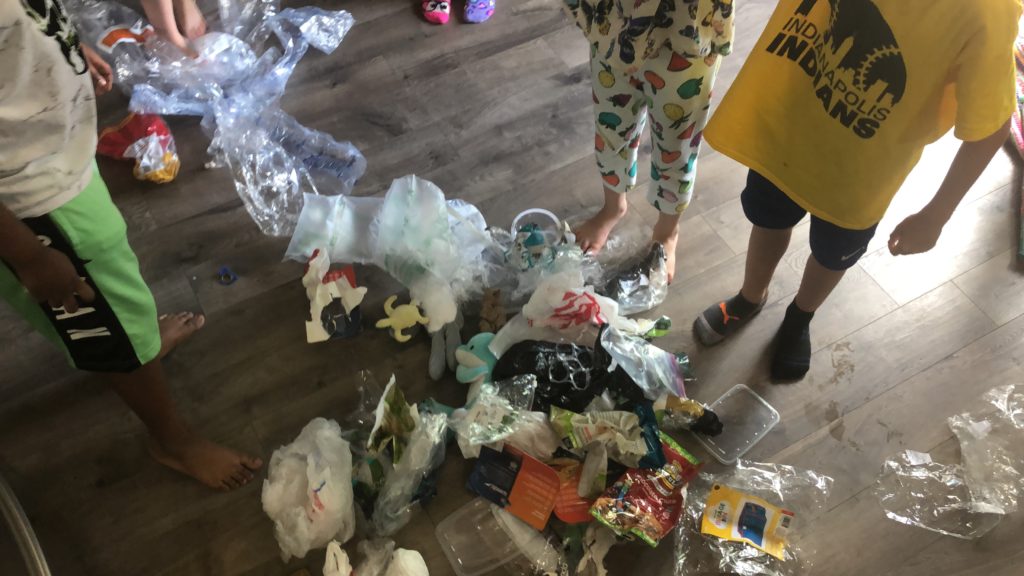
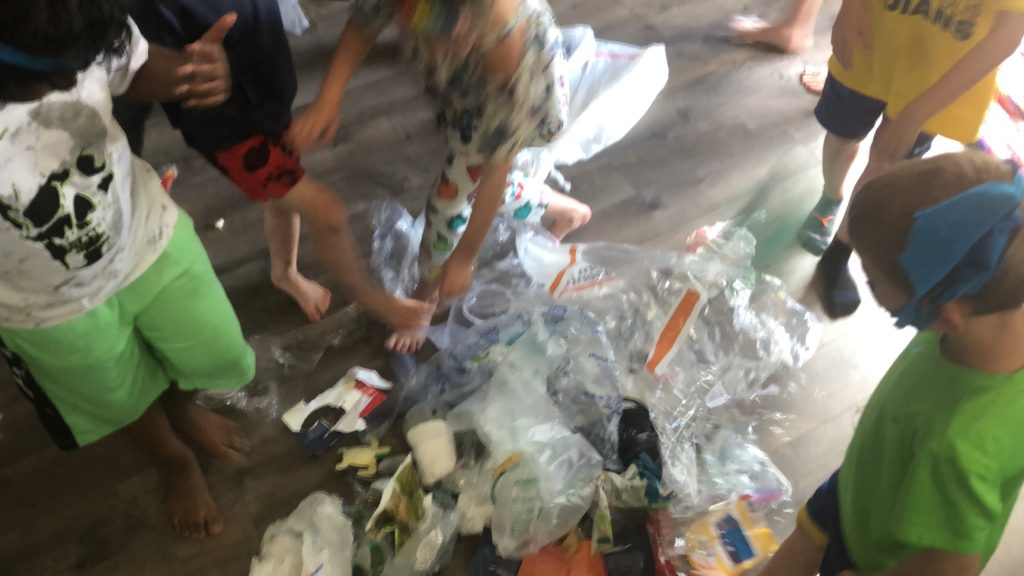
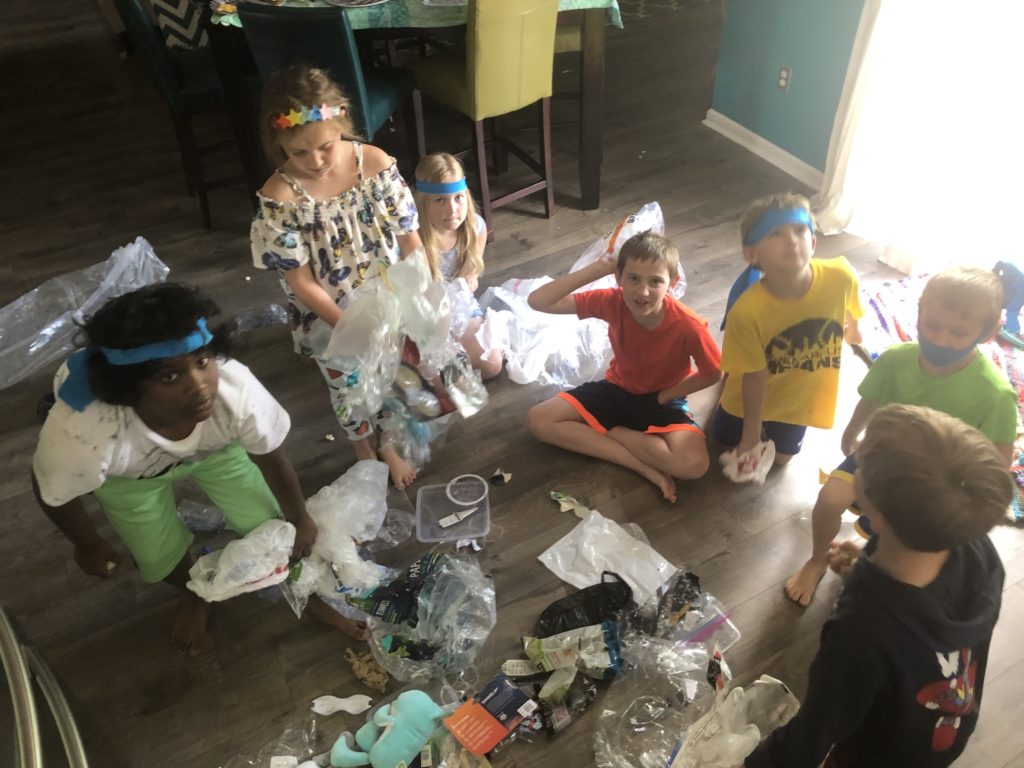
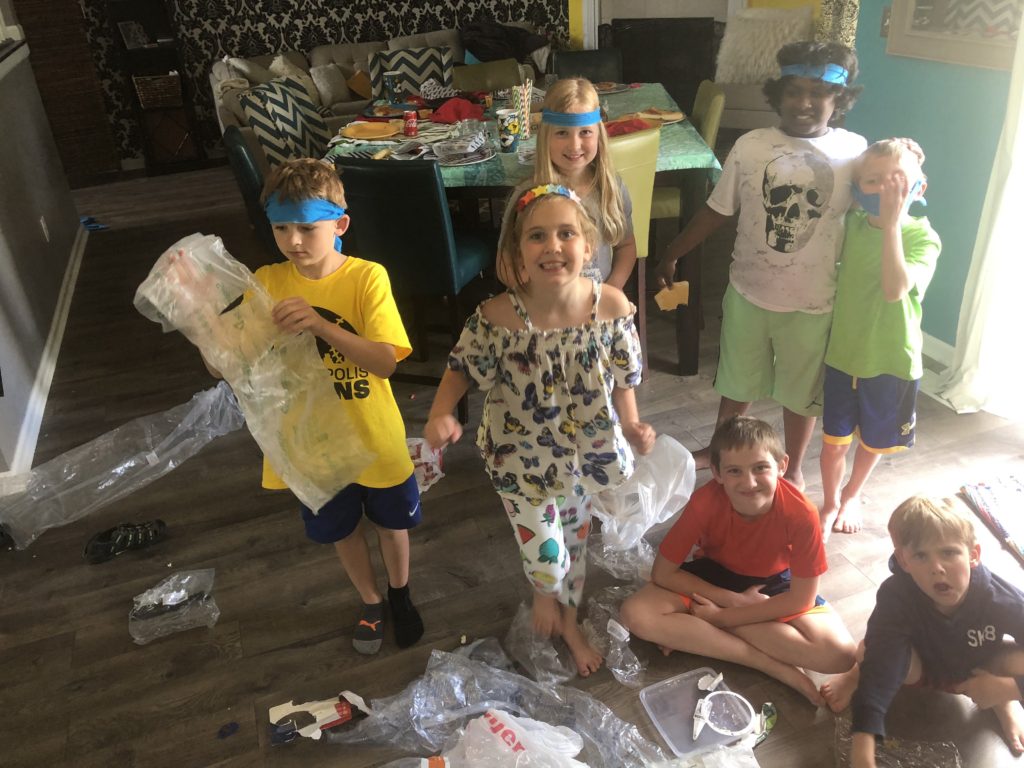
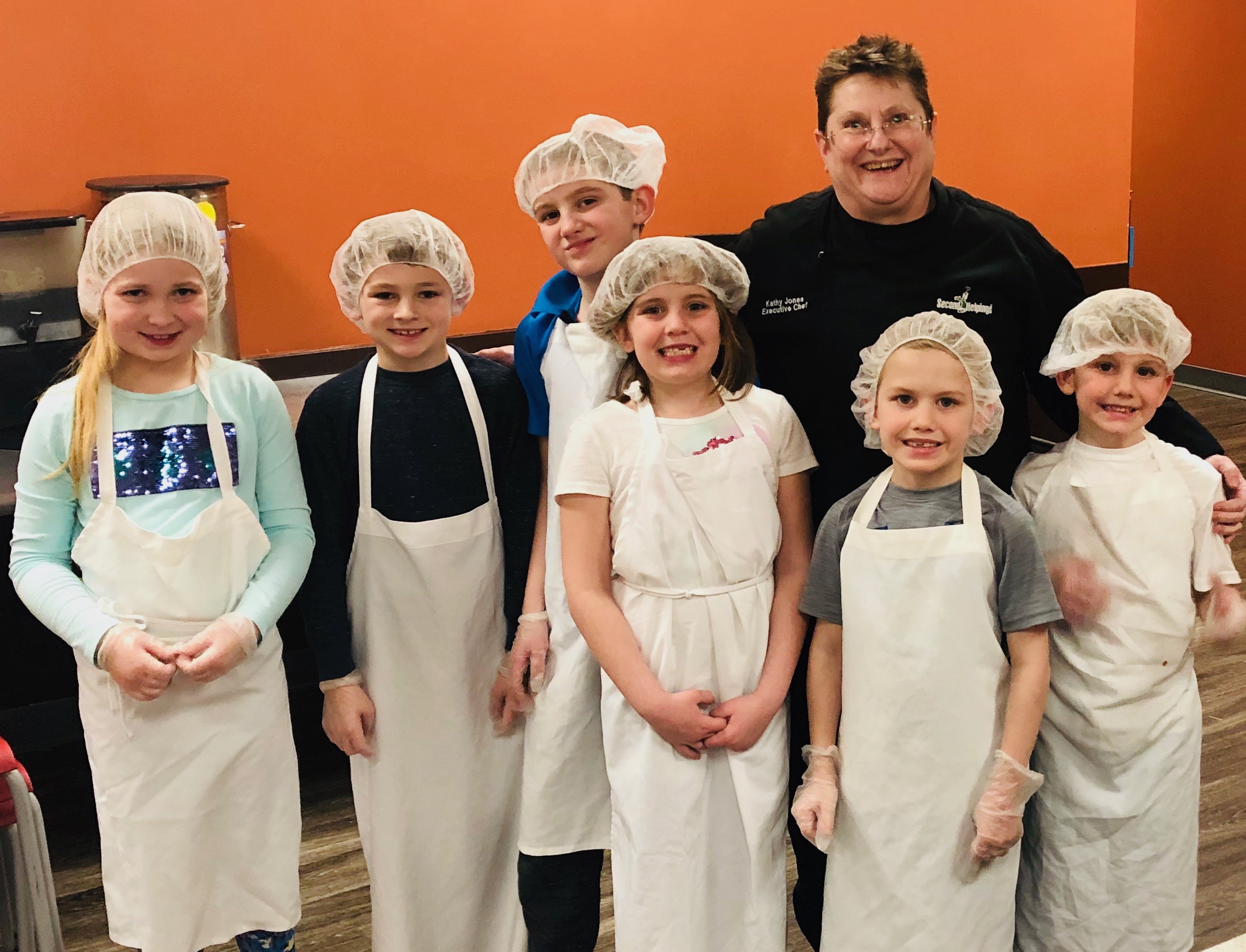
Today was our last day of school at our elementary school. We rode the bus home together to have a party to celebrate the start of summer. We learned that we can help oceans this summer even though we live in Indiana. We can collect plastic or choose not to use it at all.
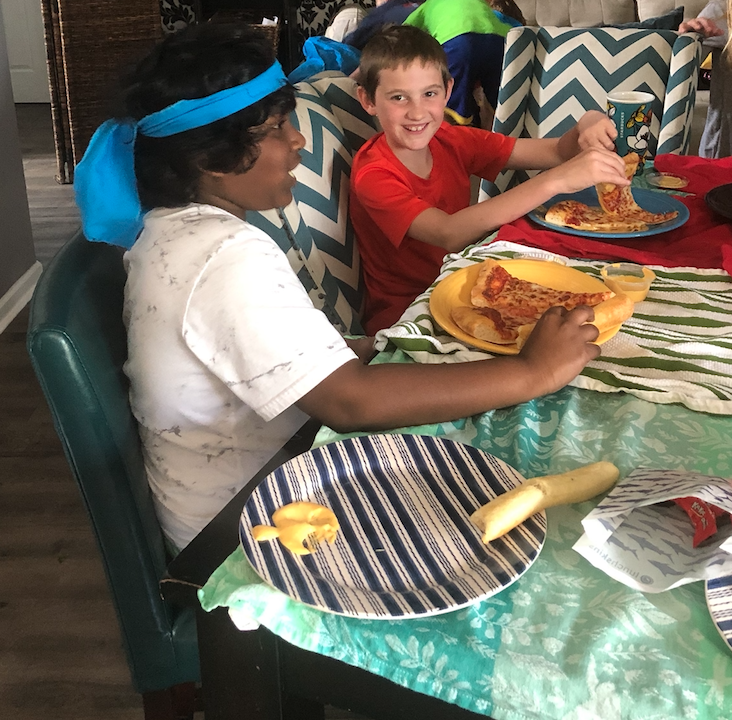
Today we ate popcorn and pizza and had zero waste. We recycled the paper box that the pizza was delivered in. We chose to use aluminum sodas and we rinsed and dried and recycled our soda cans. We used paper straws. We used 100% cotton fabric napkins. We composted our pizza crust and grape stems.
We learned about plastic in the ocean. Even when you don’t think its there its there in micro plastic. EVERY PEICE OF PLASTIC EVER MADE IS STILL HERE TODAY. We want others to learn how to help the ocean!
Afterwards, we decided to make a video. We thought it might help others learn what we learned. So, we made a video to share with others what we have learned about plastic pollution. Helping Ninjas Sawyer and Vedh starred in the video – Vedh filmed and directed it and helped to produce it!
Check it out!
You can watch it on our Helping Ninjas YOUTUBE CHANNEL or here:
“As you grow older, you will discover that you have two hands, one for helping yourself, the other for helping others.” – Audrey Hepburn
Written by Lindsey Fella Berry, Helping Ninjas, CEO on April 14, 2019 in Heart of IMB
An experience that our family has truly come to love, cherish and look forward to is volunteering. Already witnessing growth in each of our children, cultivating an innate desire to help and recognizing that they are making a difference. First-hand discovering the all encompassment of joy that one receives when giving back.
April is National Volunteer Month, a celebration of gratitude and reflection towards selfless acts and honoring those offering service to our communities. A time to widen our perspectives and take into consideration getting involved and helping others.
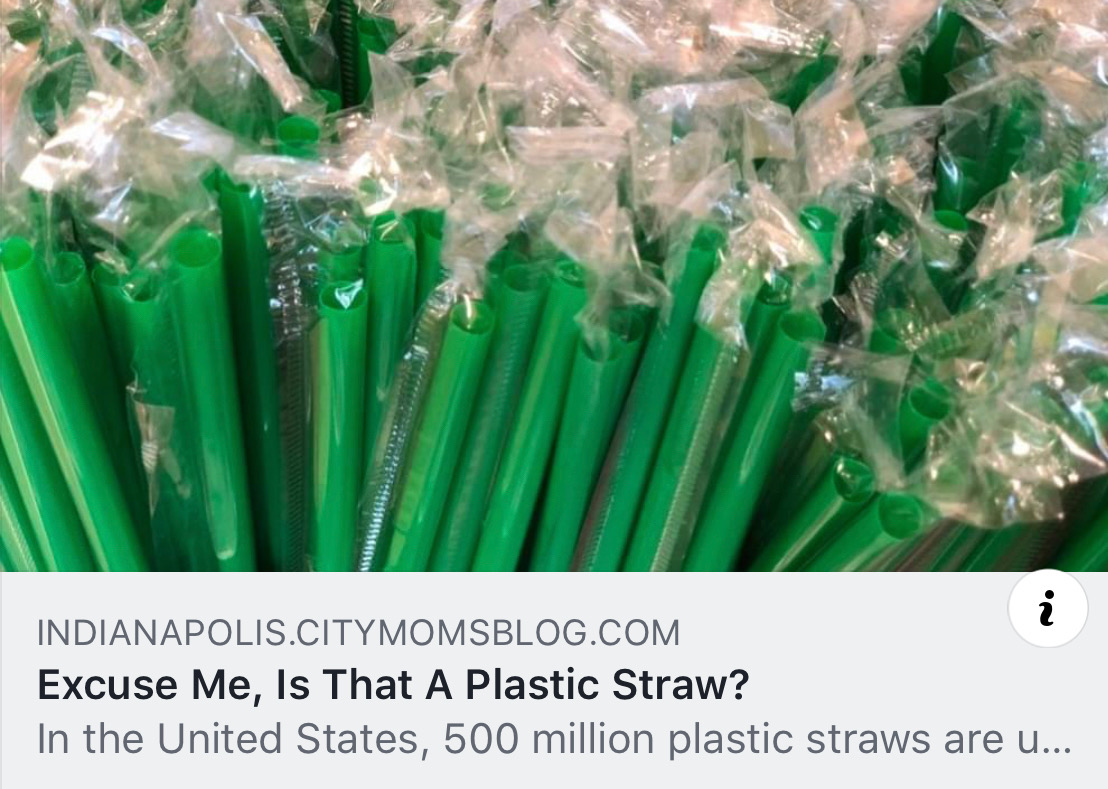
In the United States, 500 million plastic straws are used daily – equivalent to wrapping the entire circumference of the earth 2.5 times. Some of us use them regularly without thought. The practice is not uncommon. Large restaurant chains across the globe discard 20,000 or more plastic straws a day. What is not commonly known is that plastic straws cannot be recycled at curbside and municipal recycling centers and each year 2000 tons of plastic straw wasteenters our ocean.
And – it’s not just straws.
Plastic straws only account for approximately 4% of the plastic waste entering oceans. Somewhere between 5 to 14 million tons of plastic is dumped into our oceans annually. Nearly 300 million tons of plastic is produced every year, 50% of which is for single-use.
There is plastic in our packaging for online or store-bought items, often plastic wrapped and packed around more plastic, plastic packaging for food items. Plastic around popsicles, candy, cereal, nuts, veggies and fruits– and plastic to take them home in bulk. Plastic toothpaste bottles, plastic band-aids, plastic lunch, chips and snack bags, plastic lids, plastic caps, plastic cutlery, plastic coffee cups, plastic drinking cups, plastic disposable plates, and plastic grocery bags.
Plastic playground turf, plastic toys, plastic blended fabric materials, plastic cosmetic cases, plastic smartphone cases, plastic soles, plastic home décor, plastic kitchen utensils, plastic liners, plastic storage bins, plastic food containers, plastic bags available in sizes large, medium and small –we are consumed by plastic. It’s everywhere. It’s in vehicles, homes, restaurants, place of business, schools, medical centers, sports venues, landfills and is found in our parks, fields, meadows, hillside, mountainsides, beaches, and oceans.
In the last 65 years, 8.3 billion tons of plastic has been created; equivalent to the weight of one million elephants.
Scientists say that every piece of plastic that has ever been made still exists today.
Plastic never fully ever decomposes or bio-degrades, instead it breaks down into smaller and smaller tiny microscopic plastic pieces called microplastics. A single plastic bottle can fragment to pollute our oceans with thousands of pieces of microplastics, and one million plastic bottles are sold every minute.
Scientists say that all 8.3 million tons of plastic waste have made its way to our oceans. The number of microplastics accounted in the ocean is unknown.
Recent research suggests that microplastics is in our bodies.
Scientists do not know the harm of humans ingesting microplastics and say that it is too early to know the damage if any; one can speculate, but the notion is hard to ignore – ingesting of microplastics cannot be helping the human body.
We do know, however, the adverse effects that microplastics are having on aquatic life once it is ingested. Studies reveal that plastic is causing hormone imbalance, liver damage, inflammation, neuro-system, and nervous system damage and starvation.
And we also know that most all disposable plastic straws contain bisphenol A (BPA), as do a vast majority of the single-use plastics available to consumers, including disposable plastic water bottles, often containing both BPA and Phthalates. Phthalates (substances added to plastics to increase flexibility, transparency, durability, and longevity) and BPA (a chemical used to harden plastics during manufacturing) when heated, release chemicals into our food that could potentially harm us.
In 2010 the U.S. Department of Health publicly expressed some concerns about BPA and announced dangers of bisphenol could potentially cause to our bodies affecting hormone levels, brain and behavior problems, cancer, heart problems, obesity, diabetes, ADHD and an increased risk to children. BPA and phthalates studieshave been linked to heart disease, obesity, and Type 2 diabetes, and phthalates to impaired neurological development in children. The American Academy of Pediatrics released a statement in 2018 that families should avoid plastic food containers entirely.
The cognizant information that both plastic chemical compounds and physical microscopic pieces may pose a threat to our health is not always common and might be worth considering.
Plastic Waste on Beach in India
Given the fact that plastic will continue to break down into billions and billions of hazardous or toxic pieces, attention must also be brought to plastic recycling myths; not all plastic is recyclable. Different cities, states, and recycling centers are equipped to recycle certain types of plastic and other plastics they cannot. Most all single-use items, plastic straws, plastic bottle caps, plastic lined coffee cups, plastic bags, plastic liners, or anything you can poke a hole through, cannot be recycled at most municipal recycling centers. If one puts these items in a curbside recycle bin, the destination is the landfill.
Which plastics to use or not use, which plastics may directly, indirectly, or not cause harm; taking efforts to reduce carbon imprint, use less, recycle more, recycle everything – the logistics, it is not yet convenient to avoid plastic or to recycle. Education will take effort; deciphering which plastics can be recycled and where, and the means of transit. Emphasis must be placed on contamination, and the disruption in the recycling process of one wrong item, or an item that is not clean or dry, can contaminate thousands of plastic items, preventing recycling altogether. Unfortunately, there is no guarantee.
There is not a guarantee that harmful effects from drinking out of a plastic straw made with BPA or storing food in plastics made with it, or phthalates, will not harm us. Or to the extent of what plastics have BPA and phthalates is disclosed freely. We purchase food at the grocery store sealed in plastic, right? Bread. Bagels. Cookies. Cheese. Crackers. Coffee. Carrots. Apples. Strawberries. Is the food that is sealed air-tight in a plastic bag or in the container, or hot food brought home from a restaurant in plastic – do those containers and bags state if it contains phthalates or BPA?
One might also consider an examination of the facts, that plastic waste is destroying our marine ecosystems.
Our oceans make up 97% of all water on our planet and are responsible for each breath we take, accounting for 70% of our oxygen. This primary oxygen source is possible by the process of photosynthesis by tiny organisms called phytoplankton, and, scientists have discovered that plankton are ingesting microplastics too. All creatures in the ocean depend on the supply of plankton. Plankton are at the bottom of the food chain; simply put, we all need plankton to live.
Plastic is also harming plants in the oceans, coral reefs, algae, and seagrass. Marine plants such as these take in carbon dioxide from the air and give off oxygen, just like land plants do. Coral provides the algae with a protected environment and compounds needed for photosynthesis. In return, the algae produce oxygen and help the coral to remove wastes. Seagrasses are known as the “lungs of the sea” and play a significant role in our ecosystem, they, too, clean the surrounding water and help to take carbon dioxide out of the atmosphere, producing O2 at a rate five times faster than tropical rain forests.
A publication on January 10, 2019, The Journal of Science said oceans absorb 93% of the heat trapped by the greenhouse gases. It is proven that marine plants cannot carry out photosynthesis in water that is too warm, and that, the higher amounts of carbon dioxide in the atmosphere, in turn, raises global temperatures.
According to the same report, oceans are heating up 40% faster on average and concluded that ocean temperatures have broken records for several straight years and announced 2018 was the warmest temperature for oceans on record and gave similar projections for 2019 ocean temperatures.
A recent article published in the New York Times: “If the ocean wasn’t absorbing as much heat, the surface of the land would heat up much faster than it is right now,” said Malin L. Pinsky, an Associate Professor in the Department of Ecology, Evolution and Natural Resources at Rutgers University. The report also disclosed that scientists are reporting if the oceans continue to heat up, the effects on our climate may become even more catastrophic.
Destin, Florida My Daughter Layla
Speculation is given, and arguments differ, but one fact is in not disputed: We need oceans to live.
A 2019 scientific study on February 11th demonstrated that ‘microplastics are a rich habitat’ that is home to many types of bacteria, including toxic ones. Toxic bacteria in warming waters, not a good equation; bacteria thrive in warmer waters and is spread much easier. The research identified the bacteria known as Photobacterium rosenbergii, often associated with coral bleaching and disease, and also uncovered a species of marine Vibrio, a major cause of wound infections in humans, and species of Arcobacter, known to cause gastroenteritis in humans. The report concluded that these toxic bacteria if ingested by marine animals, has the potential to be transferred up the food chain.
History shows that our experiences and convenience of using plastic is causing havoc and posing a serious threat to our environment, and to us. Some scientists say there is no way to remove the microplastics, and that they will continue to flood our oceans.
One sip from a single plastic straw, passing through a trash bin to a landfill, to a river and then to the ocean– our lifeline.
Is it necessary for society to become aware and use less, and attempt to break the addiction? How many of us out there are even aware of this discussion and what it means? I wasn’t, but am now.
Compelled to share what was learned from my ignorance, if it does not appear to be a medical necessity as one nonchalantly sucks on a straw – I will be inclined to ask, “Excuse me, is that a plastic straw?”