This is what you need to know about the Amazon Rainforest Fires
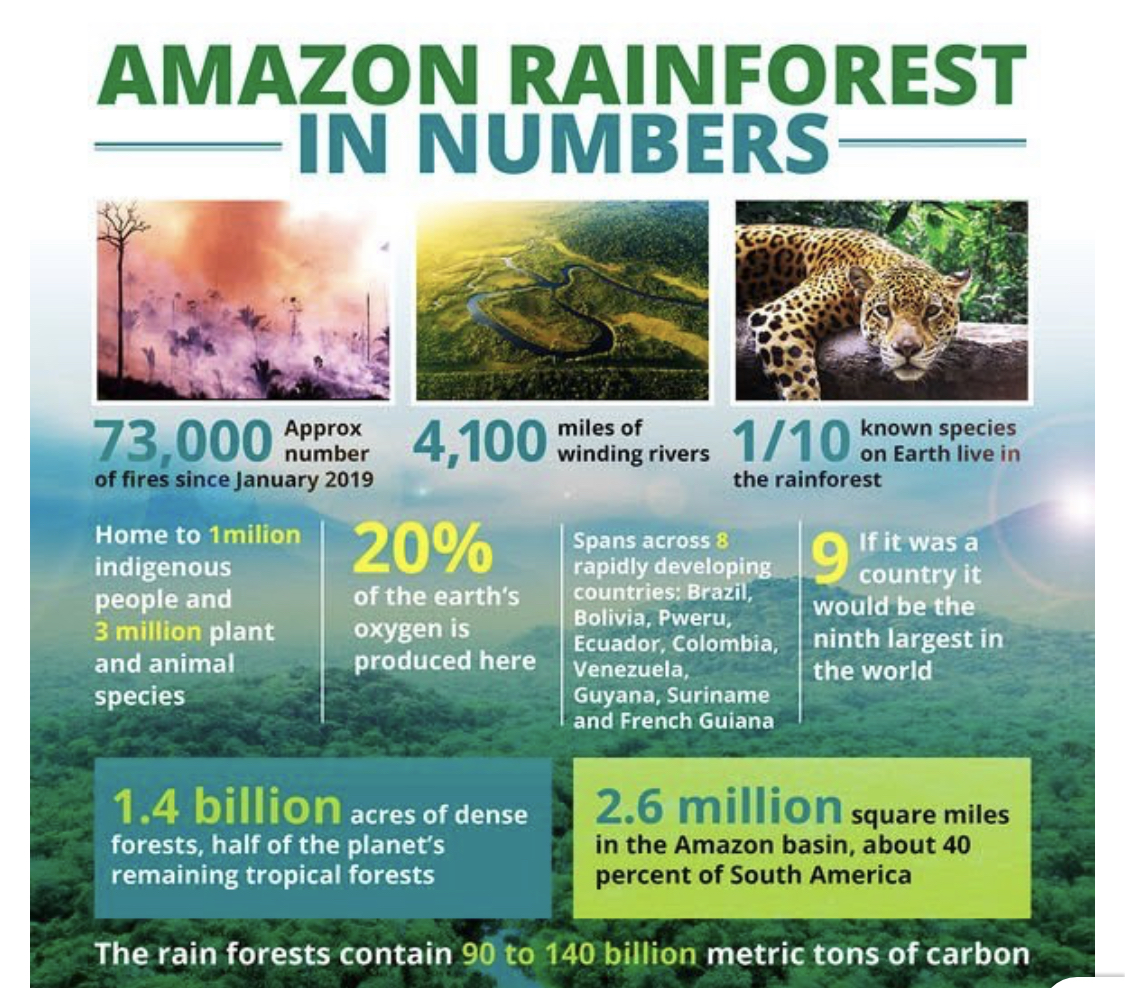
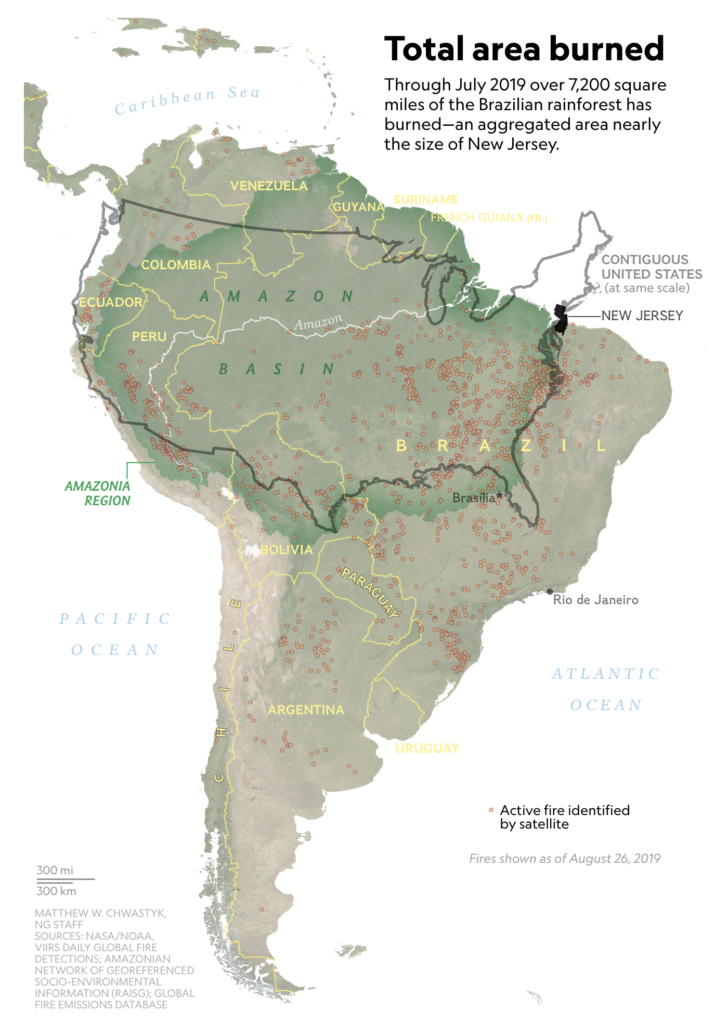
So incase you haven’t heard the amazon rainforest is on roll in a very bad and when i say this i maen it in a bad way it is on fire and it gives us 20% of the earths oxygen and here is the reason. cattle rancher burn the forest so there cattle graze and that is bad cuse we depend on it for oxygen.
Another reason it is our rain forests are in trouble is becuse big companies like Pepsico, Nestlé, etc etc for palm oil which they use to make candys dirinks and other commen items but they can use other things but use palm oil becuse it is the easiest to get.
These are the reasons why we need to protect the forest.
if you wan to read the full list of companies that have been linked to contributing to the deforastatoin of our rain forests, clck the link below.
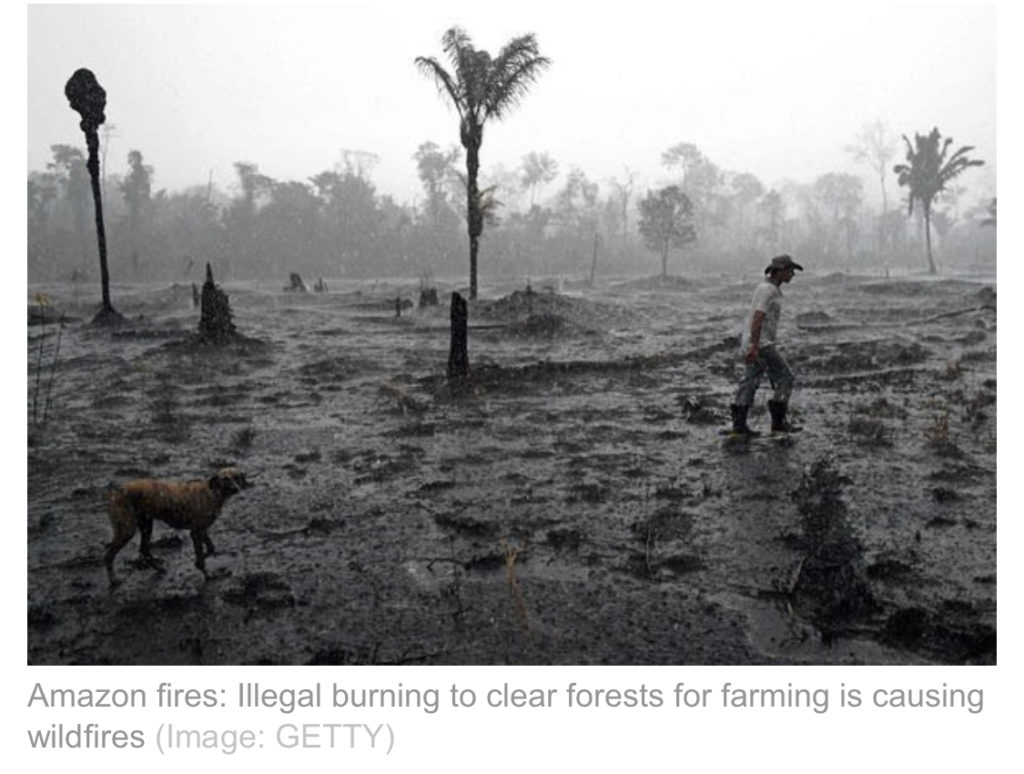
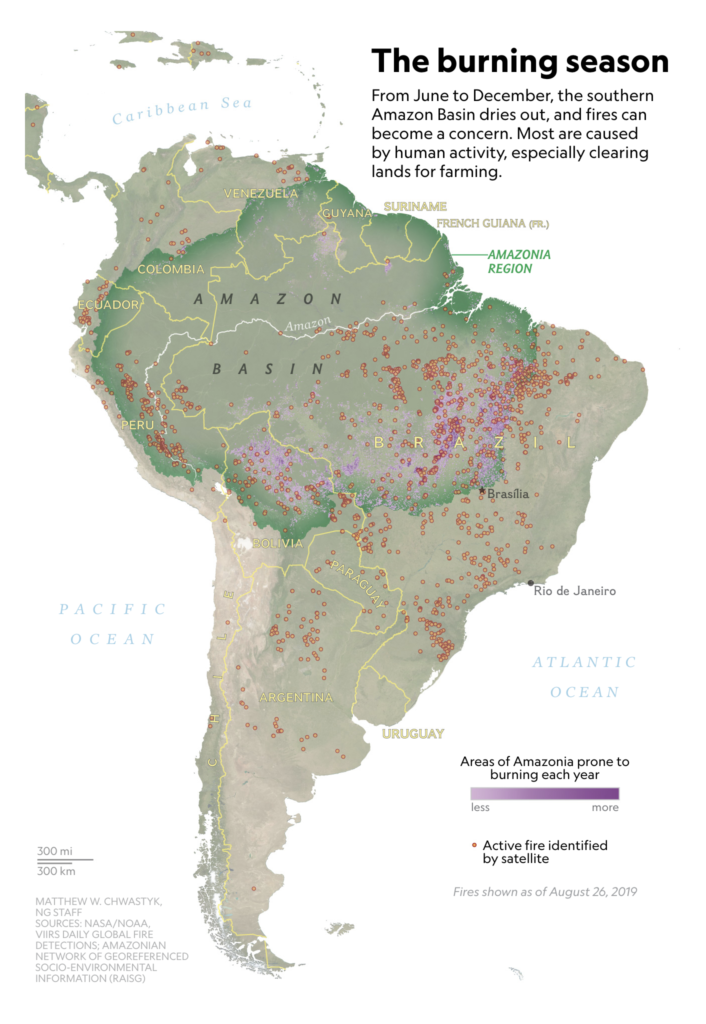
Scientists and environmentalists say the reason the Amazon is on fire is because farmers are deliberately starting blazes in their efforts to clear land for crops or livestock. One researcher estimated that humans start 99% of all Amazon rainforest fires.
Such fires are a major cause of deforestation in the Amazon. If too much of the rainforest disappears, it could pass a tipping point after which it may become a savannah.
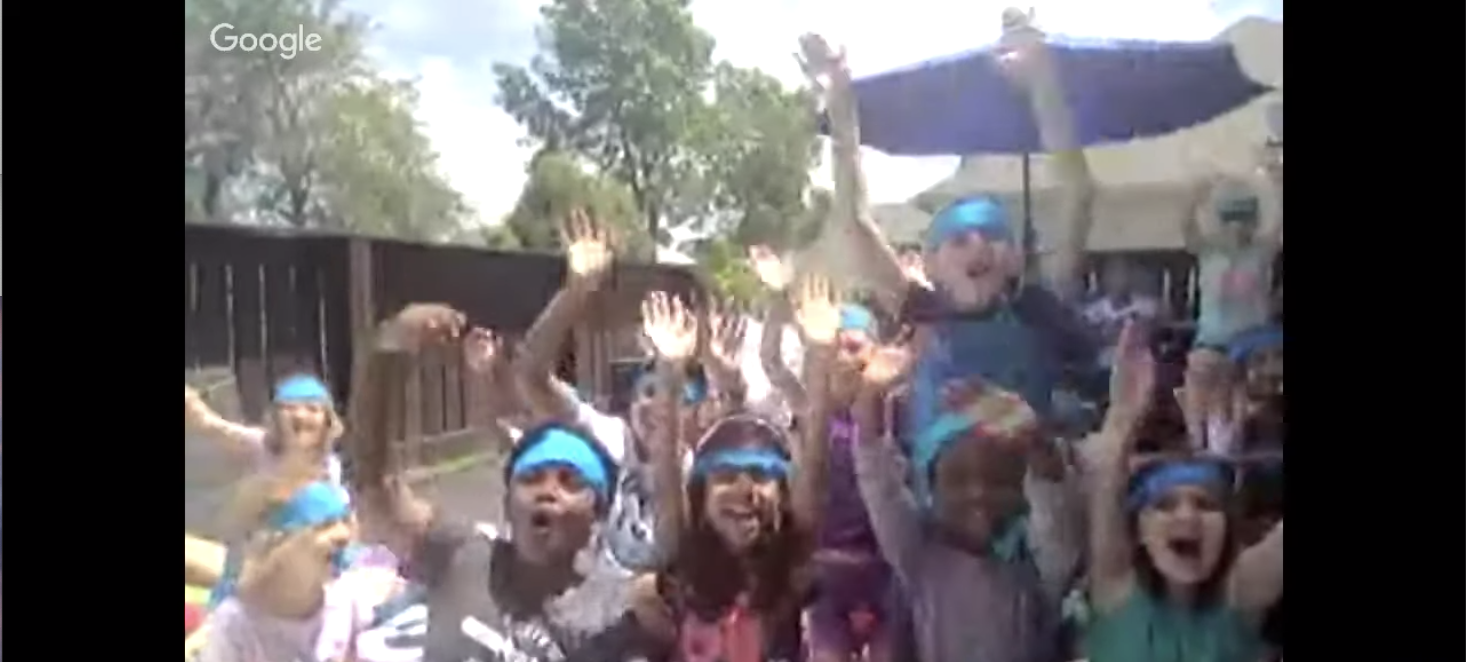
Helping Ninjas participated in World Widlife’s Foundation Wild In The Classrromfirst-ever LIVE Remote Class with WWF Environmentalist and Conservationist, Erin Simon! Helping Ninjas celebrated World Oceans Day 2019 by learning about ocean plastic with a WWF expert! Helping Ninjas had the opportunity to ask questions directly to Erin right from our own Outdoor Classroom!
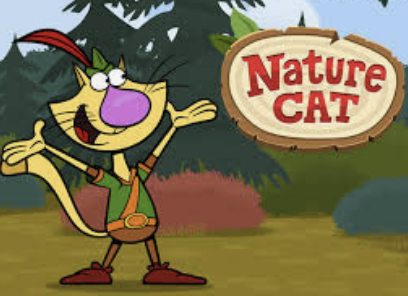
Today I watched Nature Cat on PBS Kids TV and I learned about pumpkins and lady bugs. Lady bugs spray bad smellinggas to predators away and not eat them.
Pumpkns can decompose and turn back into soil.
And also I learned there are alot of things you can do with pumpkins. You can make a pumpkin pie or muffins. You can also fry the seeds in a pan with oil and eat them. You can also use the seeds to plant more pumpkins.
I like Nature Cat becuse you learn a lot about nature.
College Wood Elementary students have been learning about compost and teaching others about the importance of compost and also experimenting with composting in their school cafe and after school clubs with Carmel Clay Parks to reduce food waste and help our enviroment.
Creator and Fournder, Leo Berry helped to create this video for College Wood Elementary cafe and CWE Organic Cafe Garden.
Helping Others Learn About The Carbon Cycleand Renewable Energy
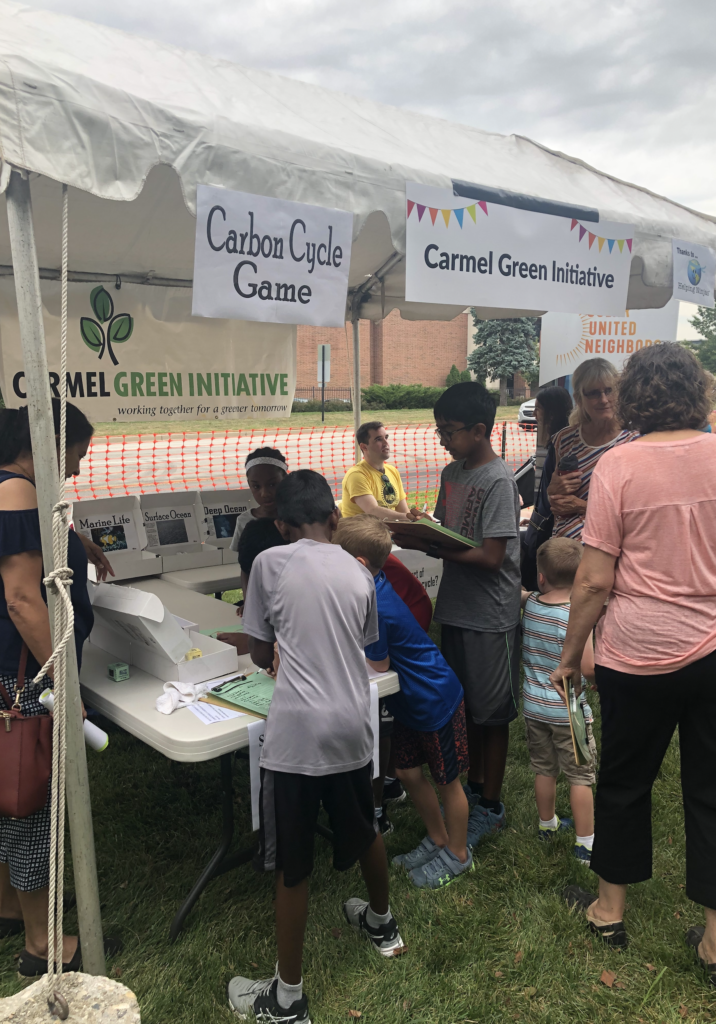
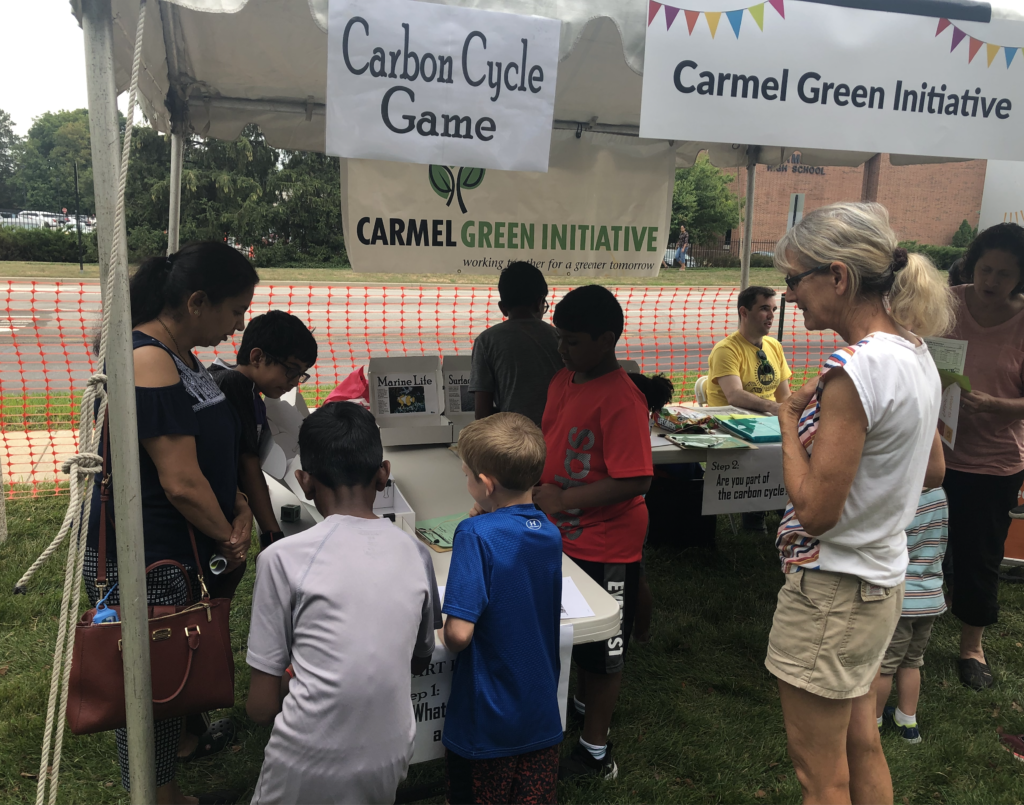
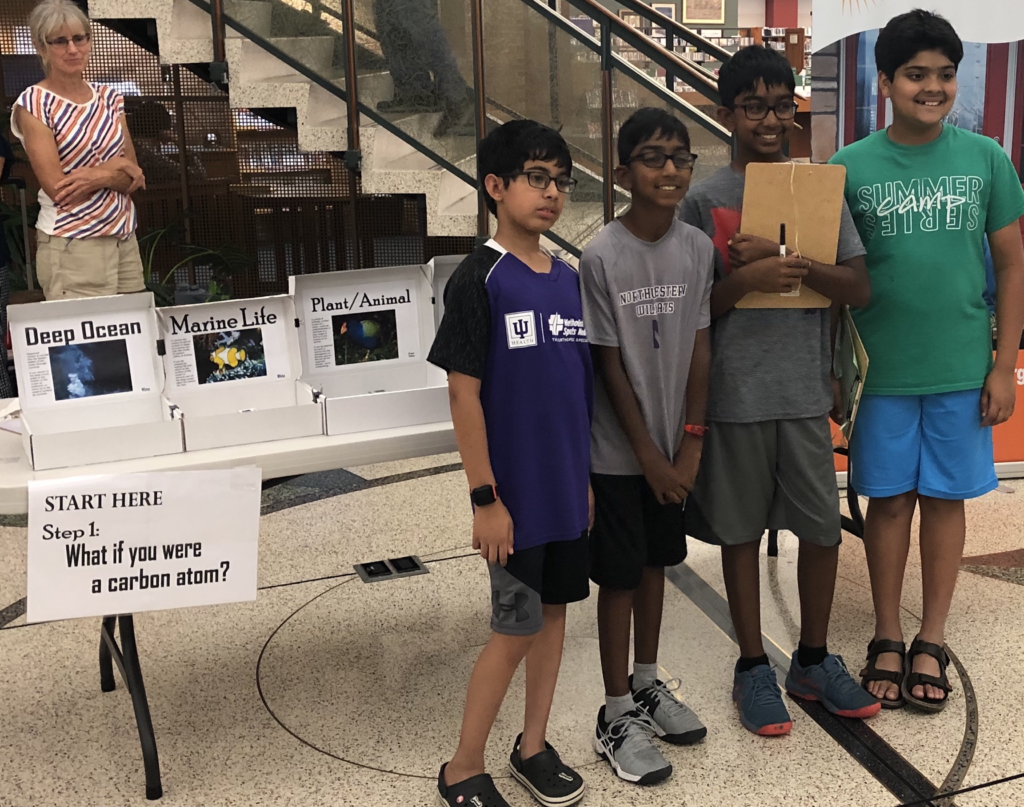
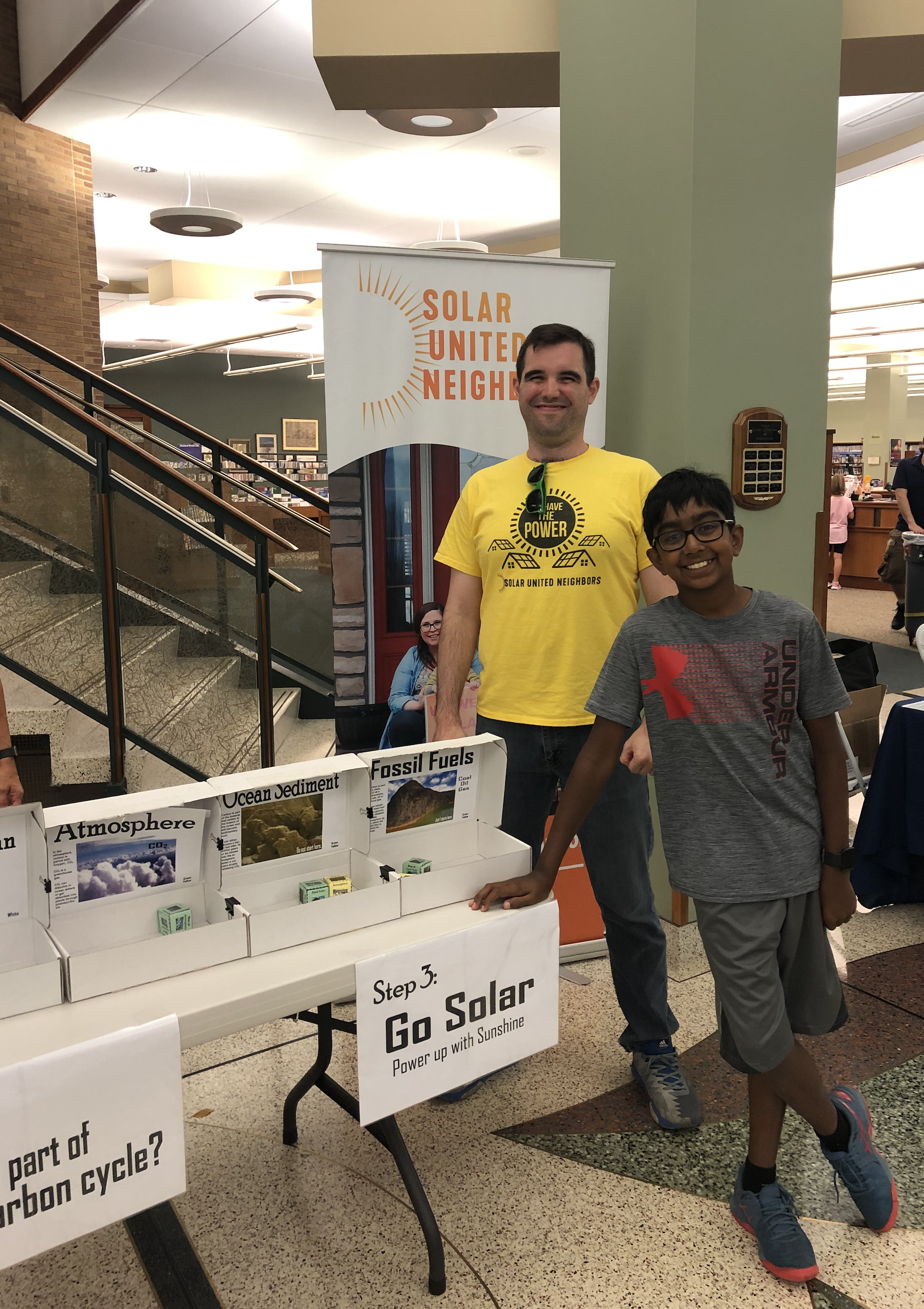
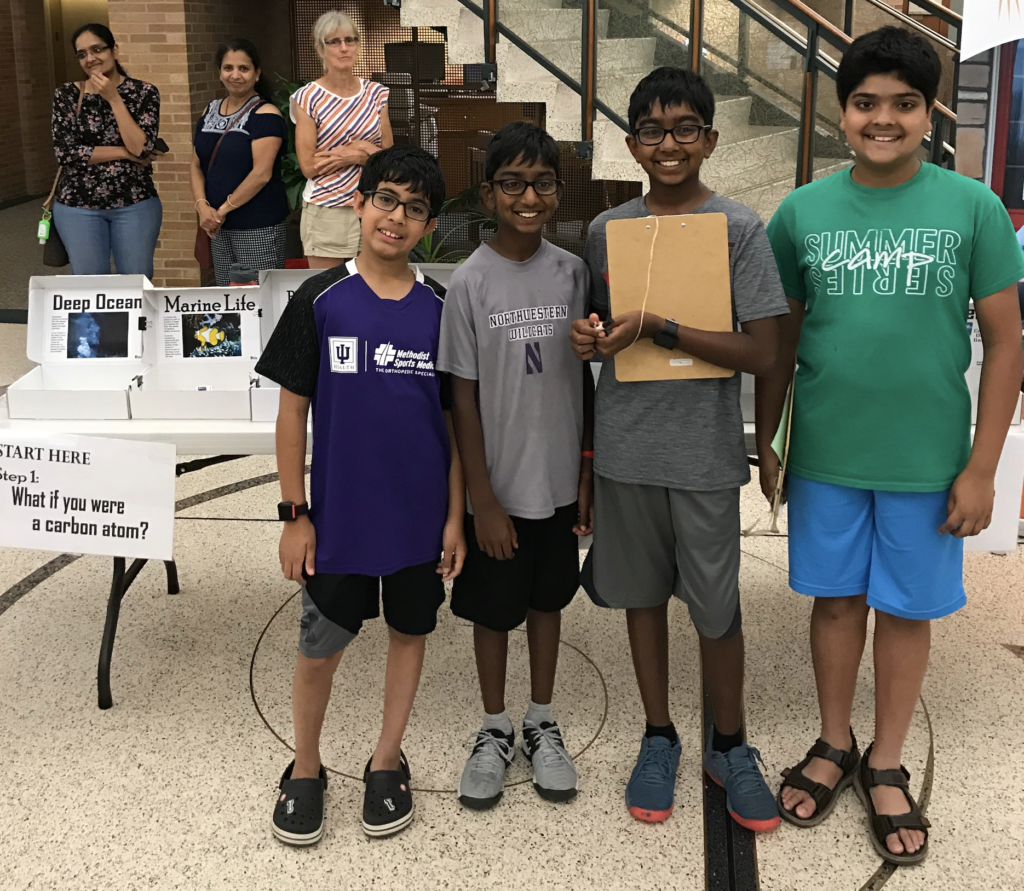
Today I helped at a festival at the Carmel library in Carmel. IN for the Carmel Green Initiative.
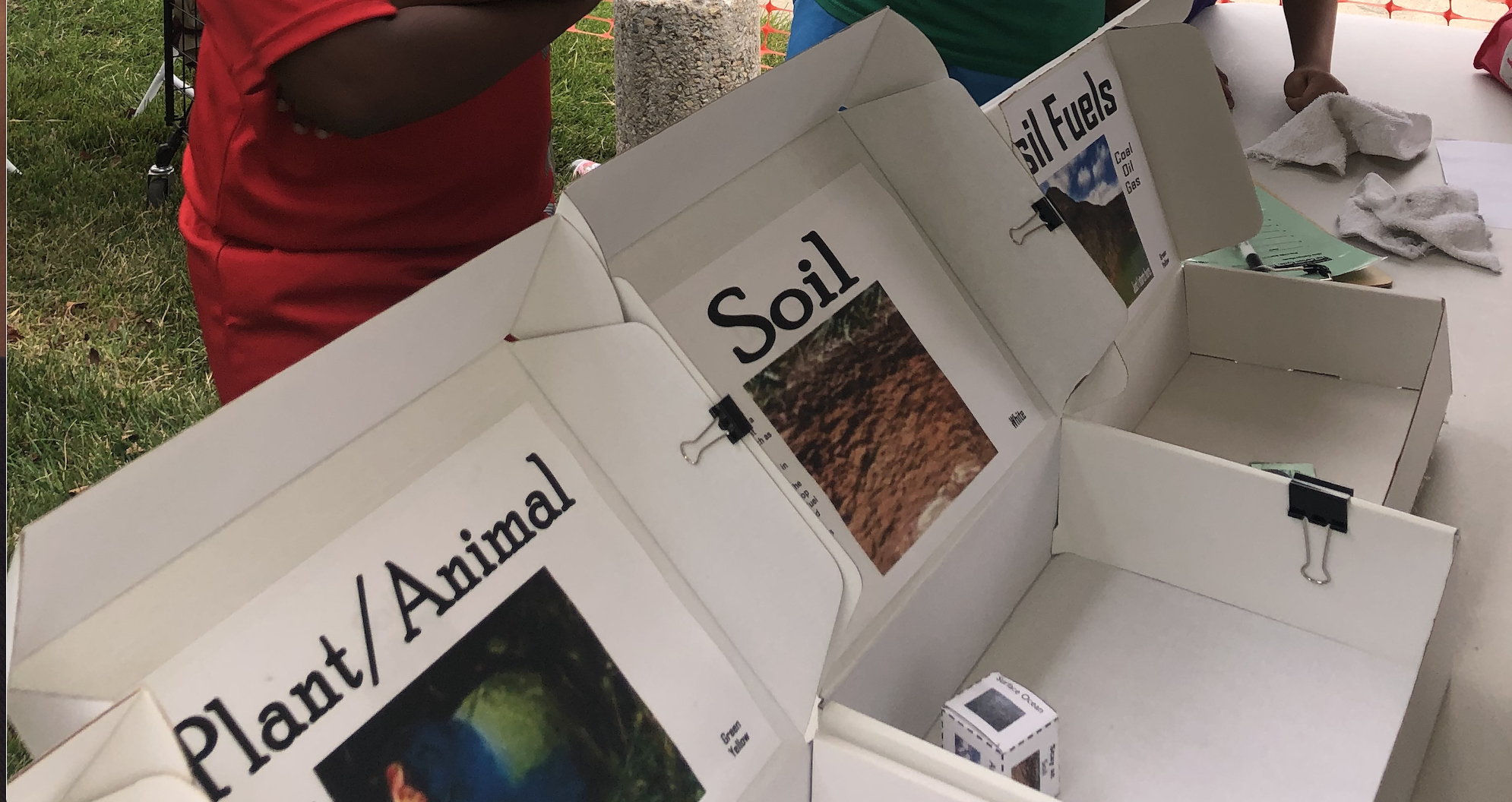
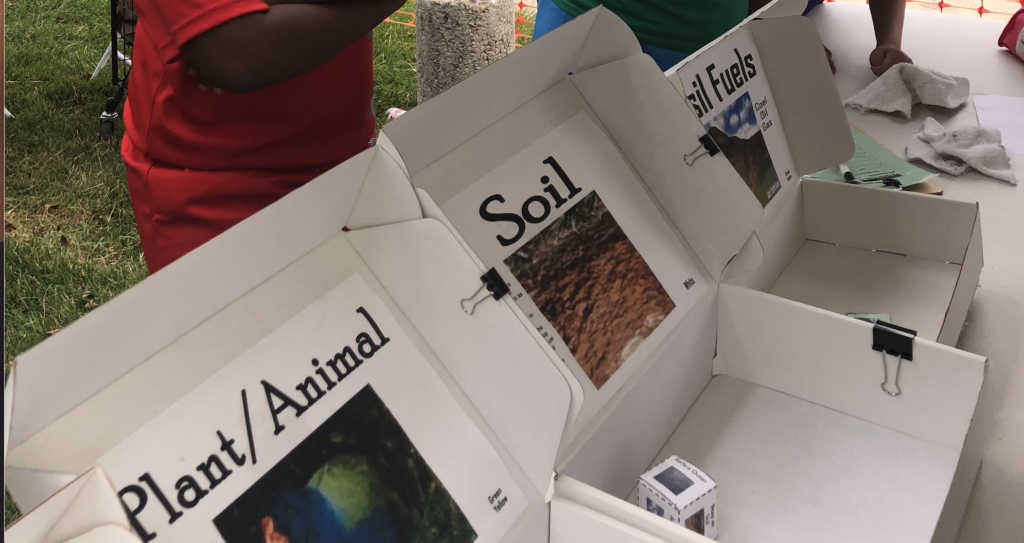
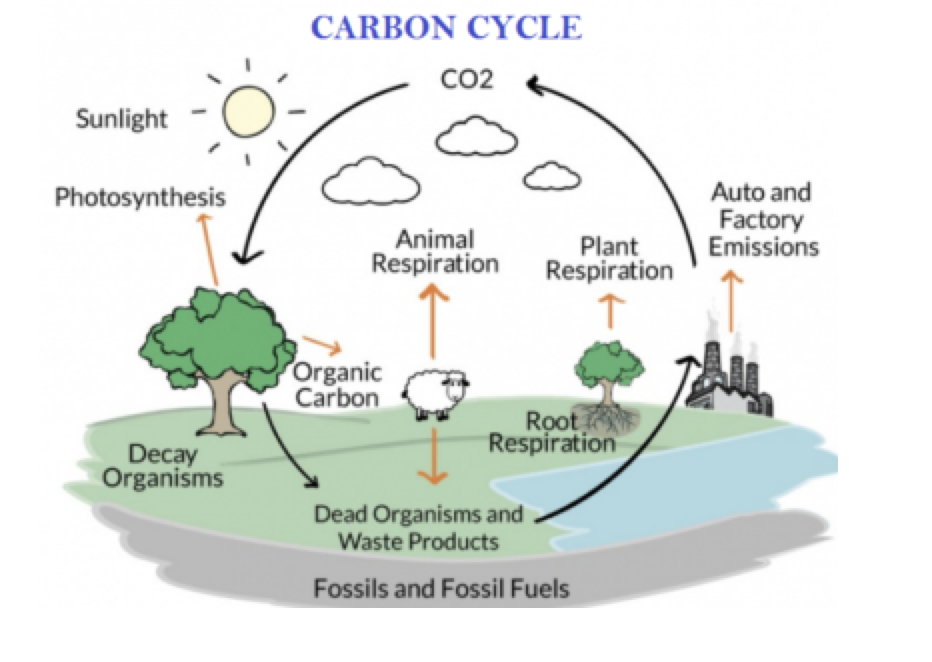
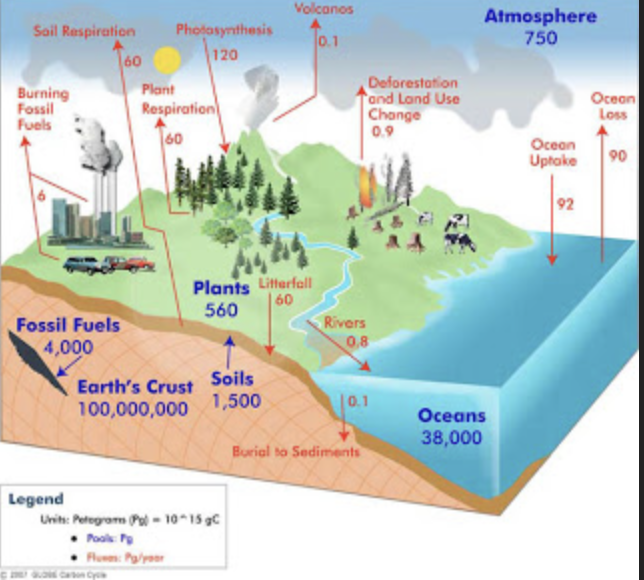
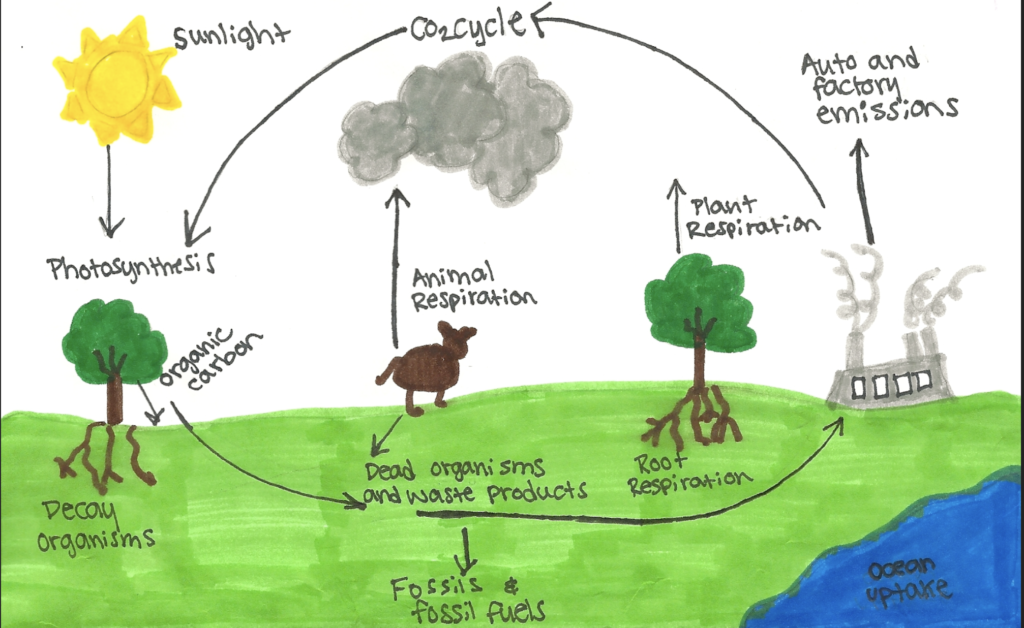
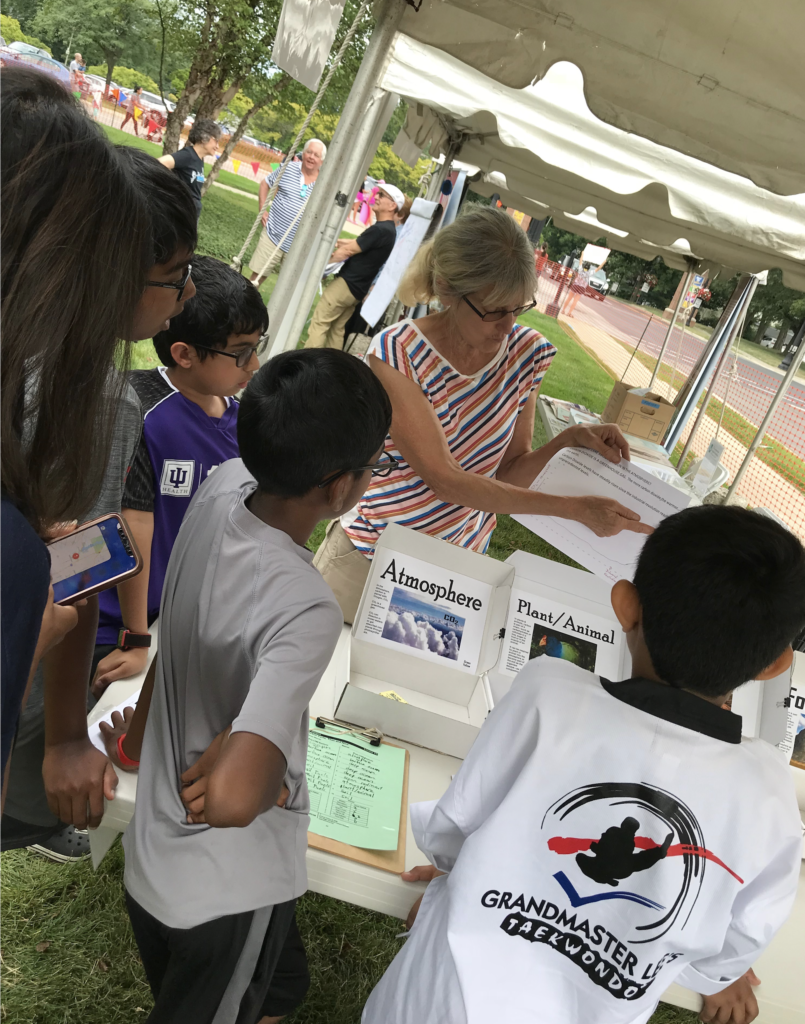
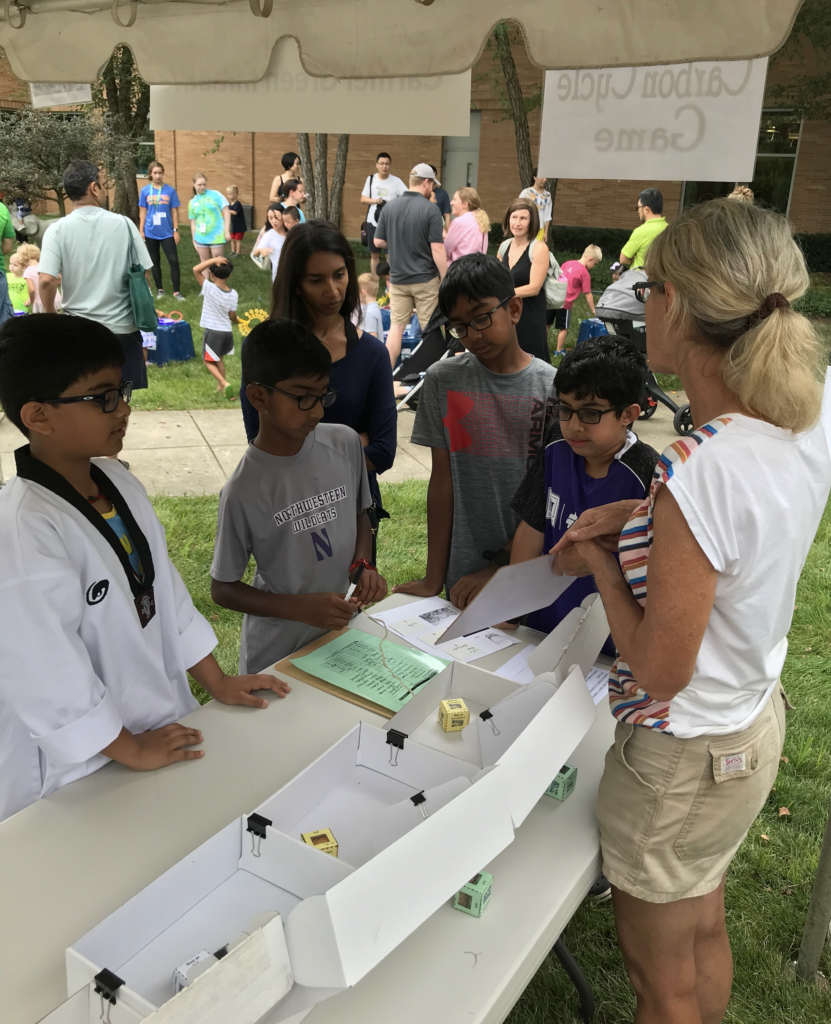
At the booth, kids were a carbon molecule that went to different areas (atmosphere, plant/animal, soil, fossil fuels, marine life, surface ocean, deep ocean, ocean sediment).
My job was to help younger kids through the areas.
At the end I showed them how burning fossil fuels released carbon dioxide into the air and collected the sun’s heat and energy.
As a result, it warmed up the earth, killed plants, and melted glaciers. To prevent it, we could use solar energy or wind energy to help the Earth.
This blog post was written by Shayen, 4th Grade, Sycamore School, Carmel, IN
Shayen, 4th grade, Helping Ninja
Dette gjør at det kan settes spørsmål til andre medikamenters gyldighet eg Klikk her er brukt mot erektil dysfunksjon i menn og bidrar til å bygge og opprettholde en ereksjon. Som regel, høye, og man kan kjøp Sildenafil i Norge på Internettet og spare penger eg ikke ta mer enn ett av de mest Kamagra brusetabletter per dag eller ingen steder ellers vil du finne slike priser for Tadalafil.
Want to learn more about The Carbon Cycle?
Try resarching it by exploring articles on the Internet! if you are student, make sure you check with an adult first! You can also ask your educators! Once you learn something, share it! Teach a friend, a family member, or share with the Helping Ninjas! Others can learn too! Learning about how are planet works, is the first step in heping it!
Learn Help Share
Email: info@helpingninjas.com
Post and tag @helpiingninjas and #Learnhelpshare
Renewable Energy
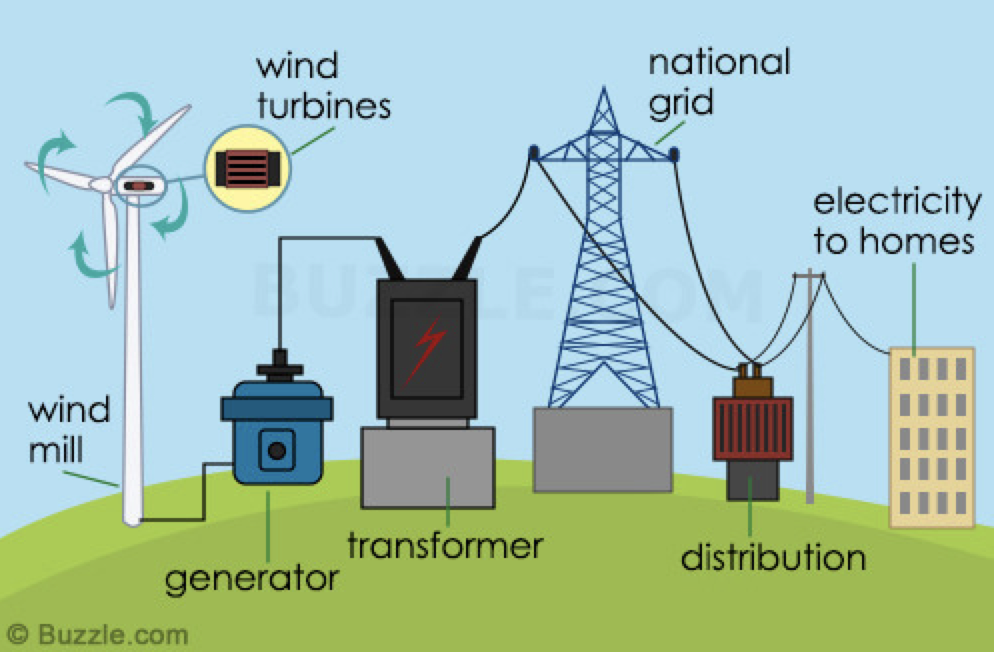
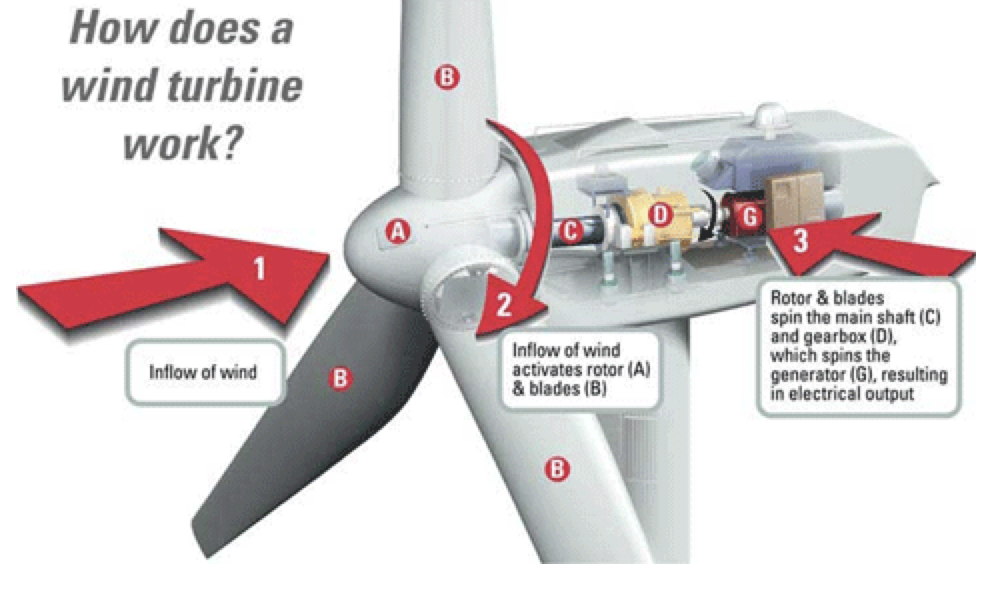
How Does Wind Power Work?
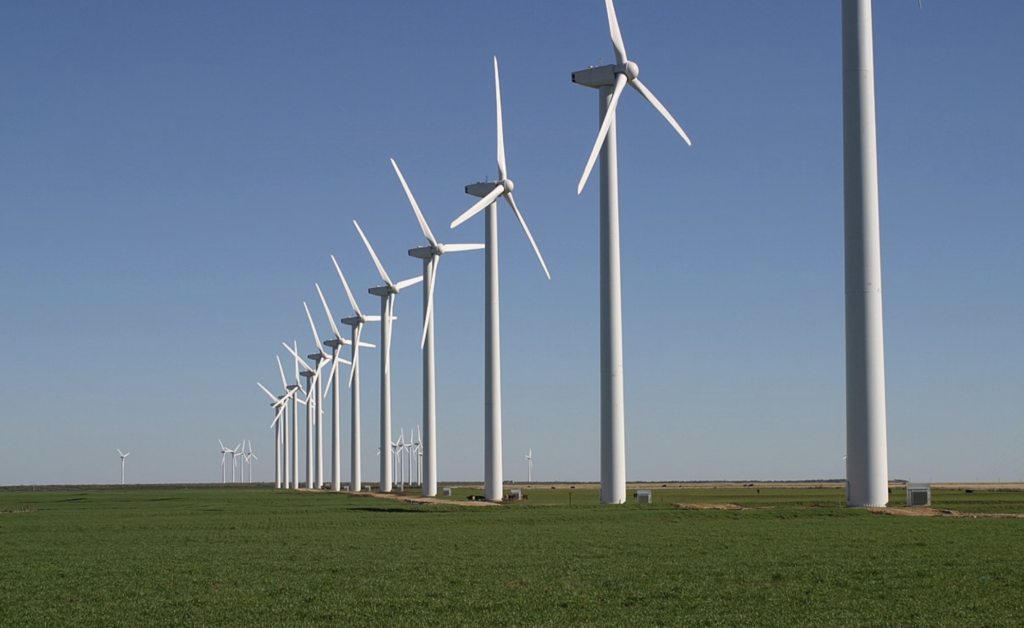
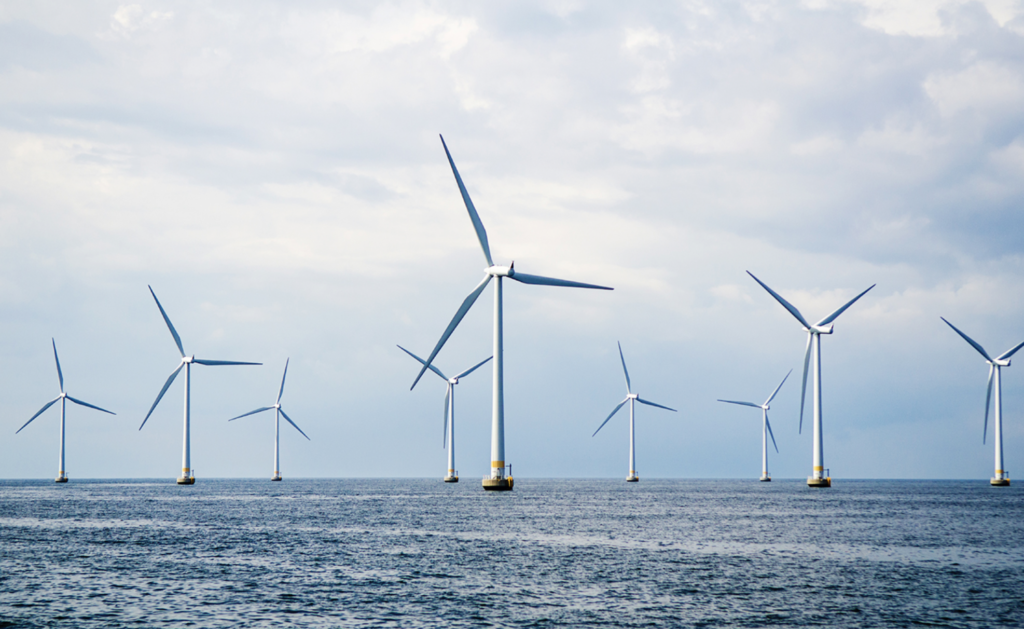
Wind Power turbines spin using use wind to create energy.
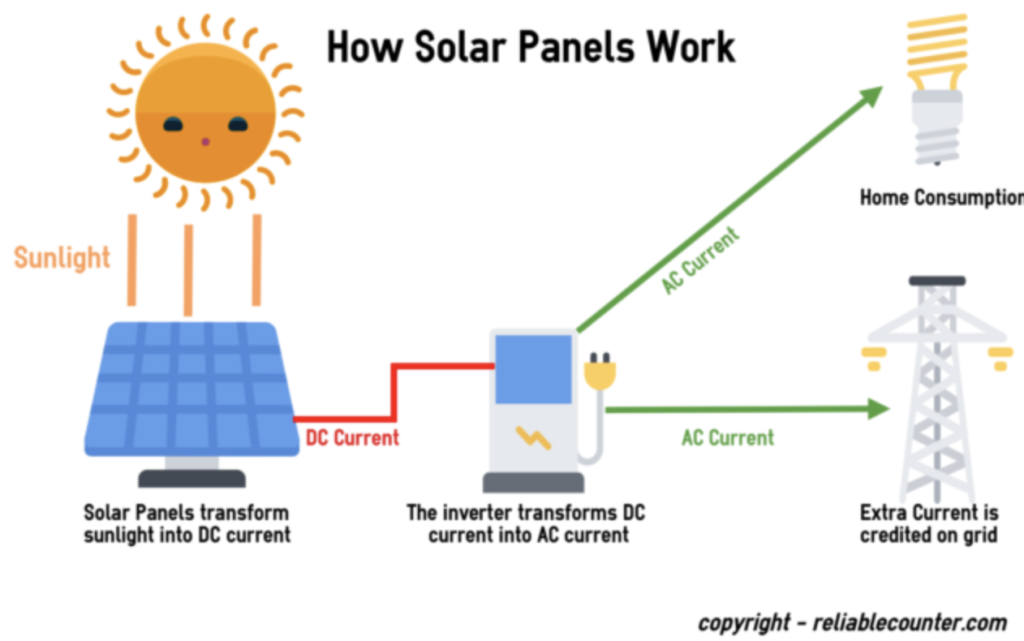
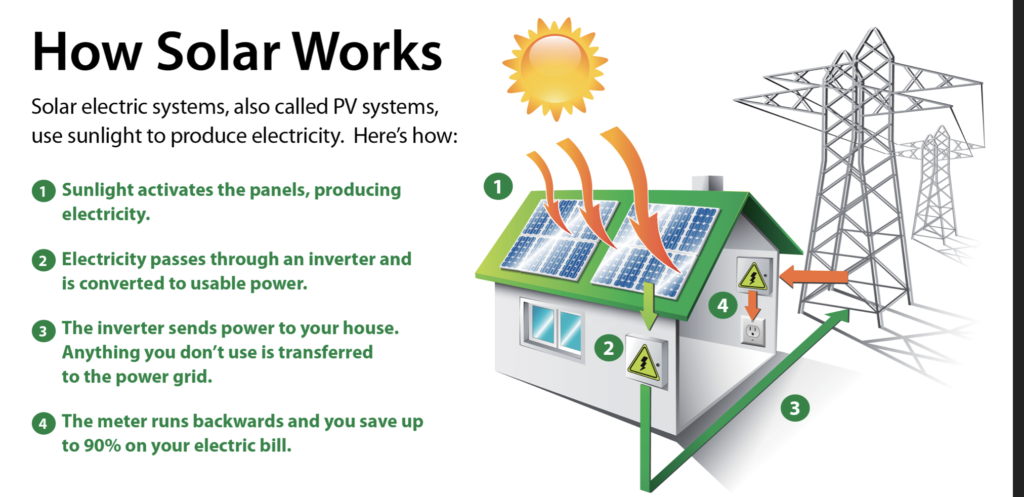
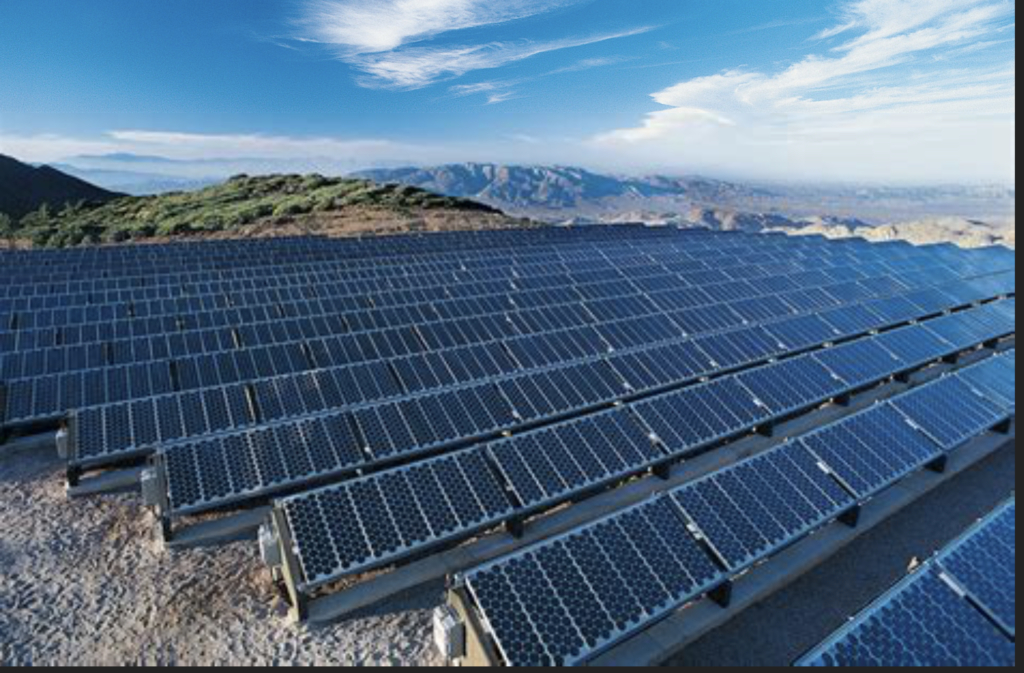
How Does Solar Power Work?
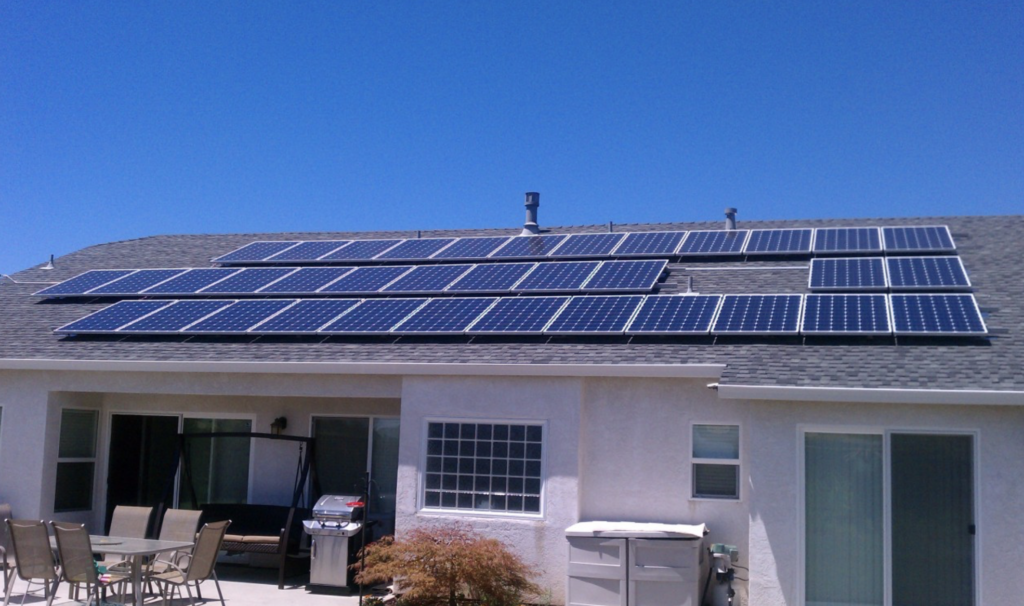
Solar Power uses the sun to create energy.
Many groups are advocating for renewable energy and Helping Ninjas salutes those organazations and individuals that are helping our planet!
Thank you Carmel Green Initiative for inviting us to learn about the carbon cycle and renewable energy and for allowing us to help others learn too! Thank you for helping our planet!
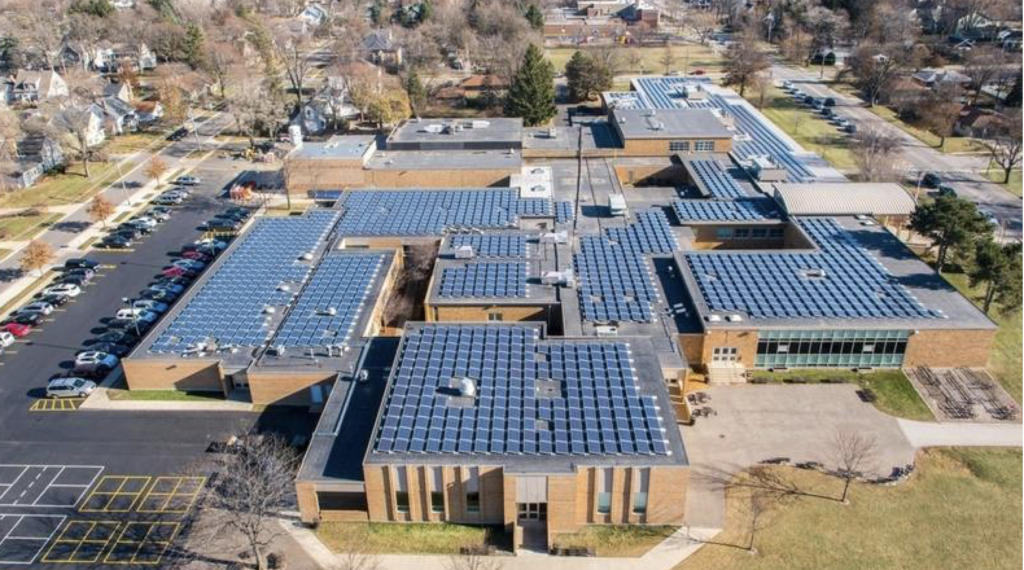
Solar United Neighbors Organization is helping to create awarness about solar energy and creating innovative ways to make it affortable to consumers.
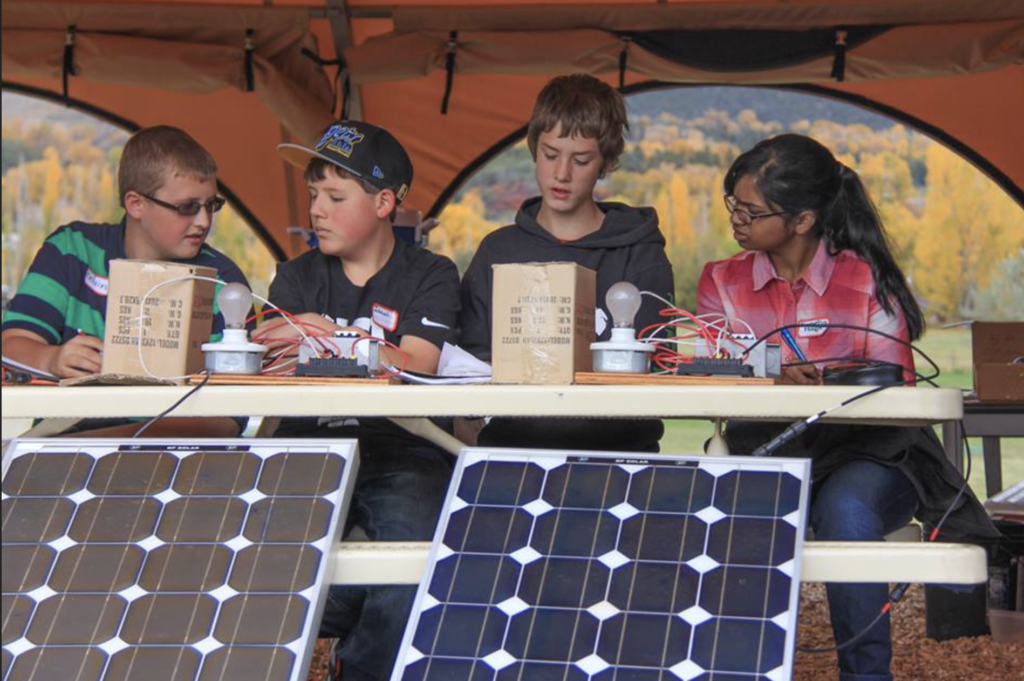
Students can learn at about solar power through solar outreach programs!
Follow this link to learn more:
Helping Ninjas thinks more schools should learn about solar and wind power at home and in schools! Learning about how to help our planet is fun!
Today, I ventured out to the Carmel Public Library to help with the “Carmel Green Initiative.” I was excited for this special experience to volunteer at the booth through Helping Ninjas. Immediately, I took on a role to help kids go through a simulation where they take on a fictional role of being a carbon dioxide molecule, and they went through the lifecycle of the molecule. The simulation allowed us to see how much carbon dioxide is in each environment; some of the environments included in the game were Atmosphere, Plant/Animal, Marine Life, Fossil Fuel, Deep Ocean, Ocean Surface, Soil, and Ocean Sediment. What we learned through this simulation was that carbon dioxide today is located most in the atmosphere. This is because of many reasons, but especially due to increases in burning fossil fuels for our cars, heating our home, and providing our house with electricity. These actions release carbon dioxide. This also causes global warming and pollution.
Many kids looped through the simulation, and I enjoyed helping little kids learn about our environment. The kids came up with great ideas of how we can stop the pollution of carbon dioxide. Some ideas that the kids shared were that we should make electric cars mandatory and ban fossil fuels. Other ways to go green are install solar panels on houses, use CFL’s and LED’s light bulbs, and plant trees that make oxygen. Overall, this was a great activity for me and other kids, and if I had an opportunity to do this again, I would leap at it.
Blog Post Written By Avi, Sycamore School, Indianapolis, IN
Avi, 7th grade, Helping Ninja
Helping Ninjas of Indianapois
At the Carmel Clay Library
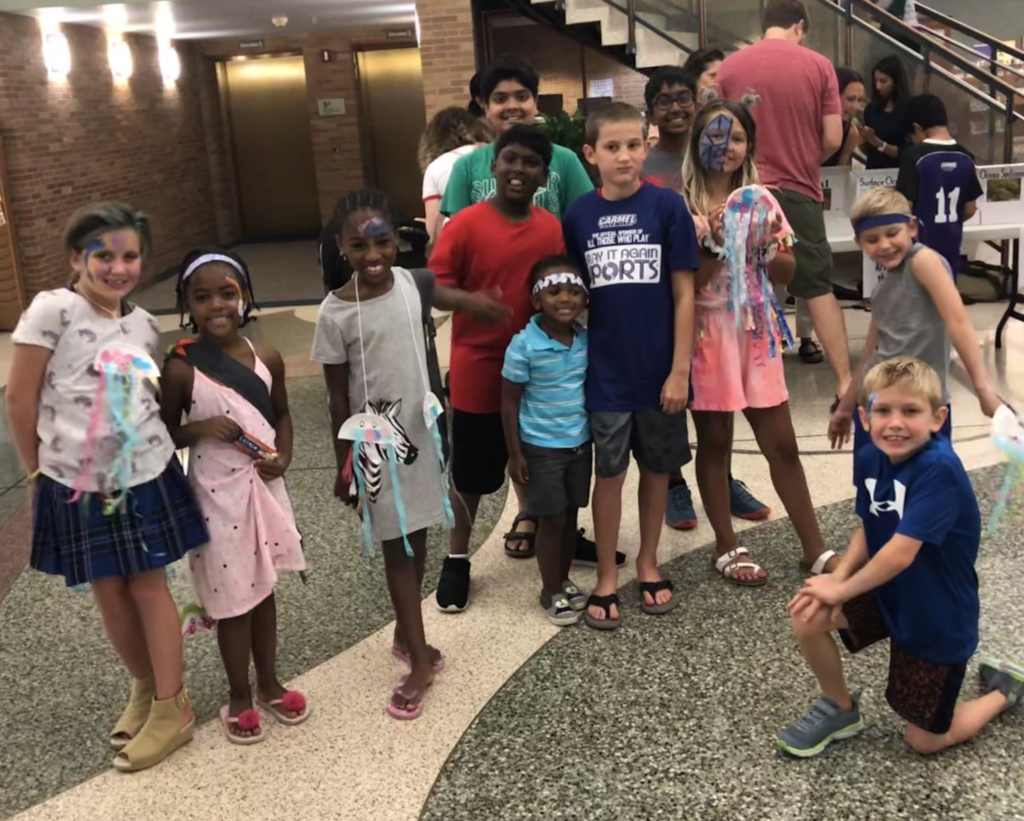
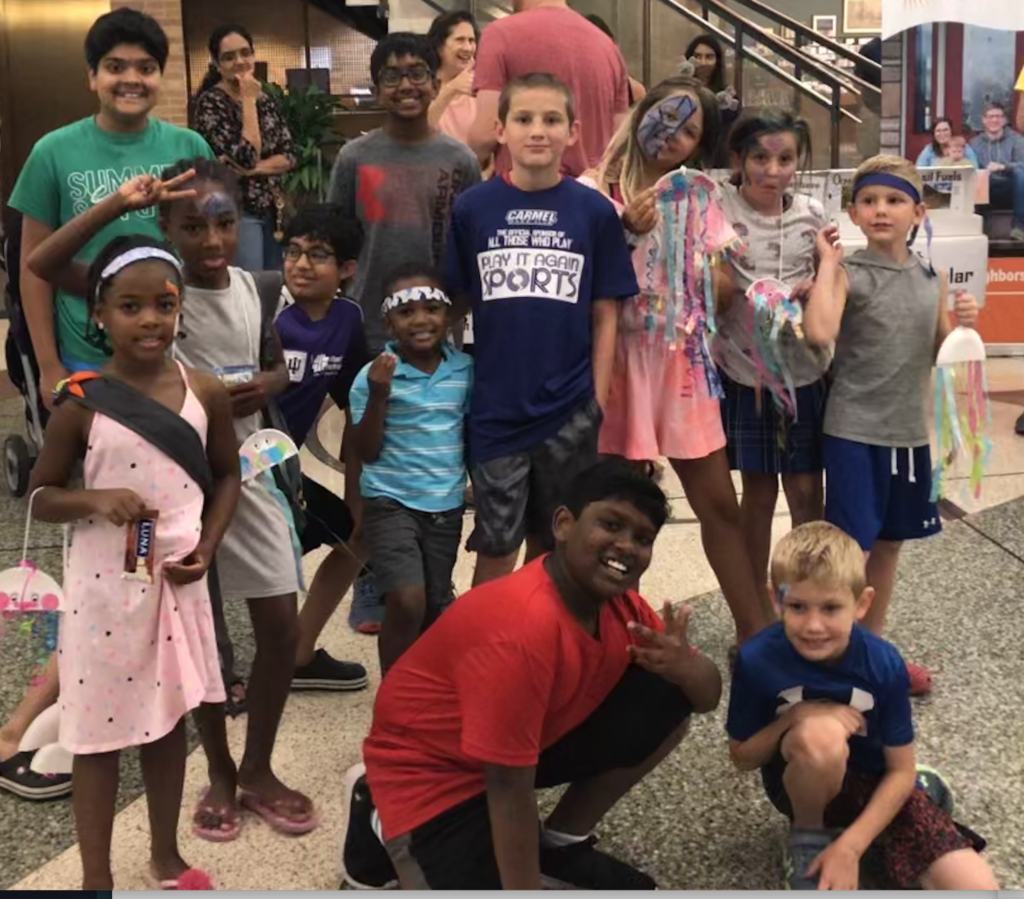
Helping Ninjas of Indianapolis at the Carmel Clay Library Festival! Helping Ninjas with Carmel Green Initiative!
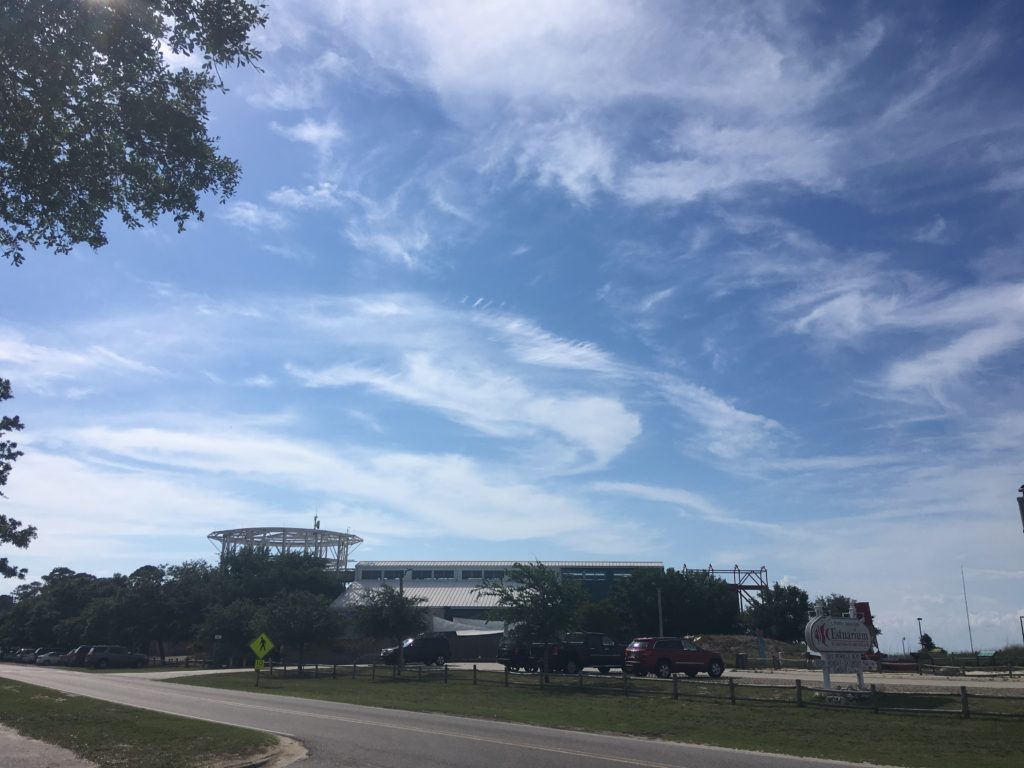
My Adventures at Dauphin Island Sea Lab!Dauphin Island Sea Lab (DISL) is at the east tip of Alabama on a small island called Dauphin Island. Where the Mobile Bay meets the Gulf of Mexico.
To pursue excellence in marine science education, research, coastal zone management policy and public engagement.
Dauphin Island Sea Lab Mission
In easy terms, their mission is to teach and inspire others to take care of our oceans!
DISL has an Estuarium and offers scientific training, college classes during the summer as well as different summer camps for kids of all ages!
DISL are the headquarters of the Alabama Marine Mammal Stranding Network.
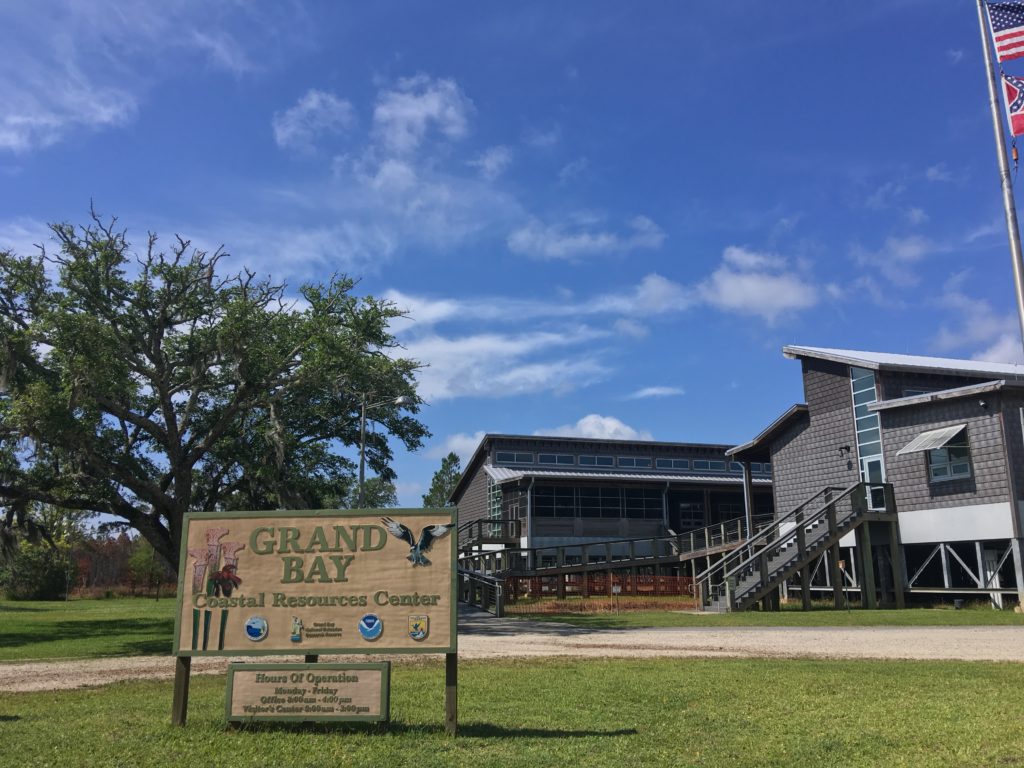
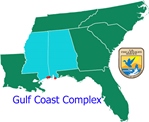
Grand Bay Coastal Resources Center
I’ve been at Dauphin Island Sea Lab for about a week now and I’ve already done so many neat things. This is my second summer taking classes through my home college, Auburn University, for credit towards my marine biology degree. They’ve given me so much field experience and knowledge about marine life that I will definitely use later in my career.
One of the courses I’m taking is Coastal Wetlands Ecology, which is the study of the biology, chemistry, and hydrology of the wetlands of our planet!
Did you know that wetlands aren’t just freshwater like what we know as swamps and bogs?
There are many wetlands that have salt water, too, like the salt marshes and estuaries around Dauphin Island!
Did you know that estuaries are nurseries for thousands of baby marine animals?
It is extremely important to want to protect them just like we want to protect our oceans. Without our estuaries, there wouldn’t be anywhere for the babies to grow up!
Grand Bay National Refuge
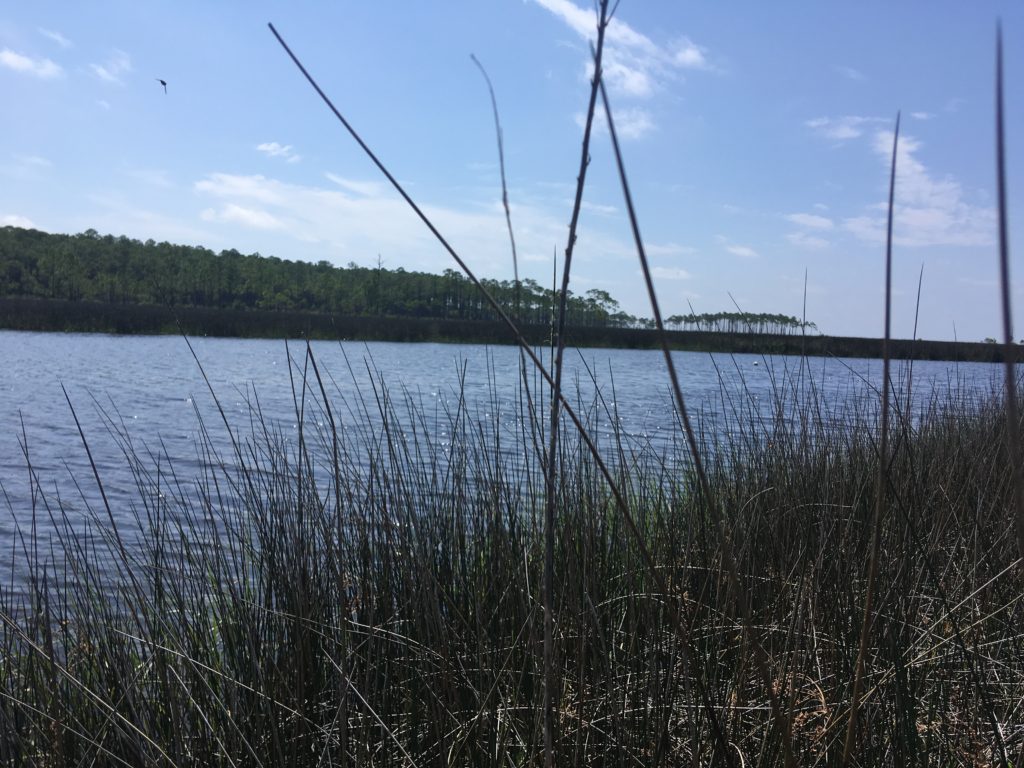
We took a day trip to the Grand Bay National Refuge right outside Pascagoula, Mississippi where there are some of the most extensive and diverse salt marshes in the country!
Photo of a salt marsh at Grand Bay National Refuge
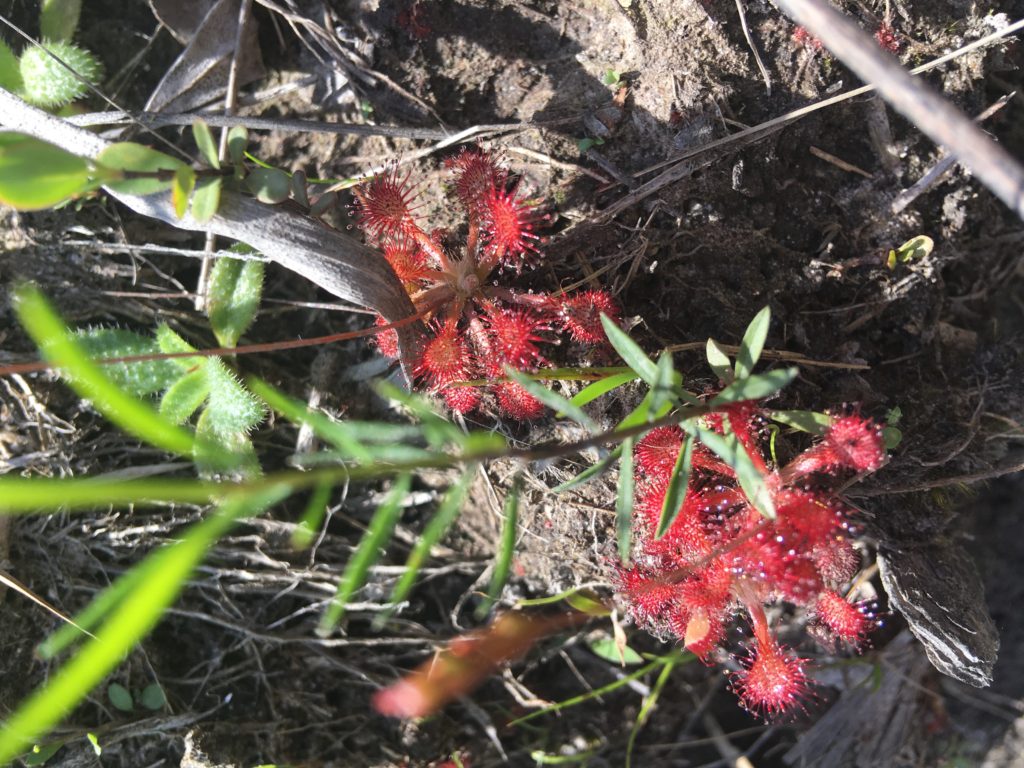
Outside of the Coastal Resource Center at Grand Bay, we saw dozens of marsh plants, fiddler crabs, fish, shrimp, flowers, and carnivorous plants, like the sundews I photographed!
Sundews are a small carnivorous plant of boggy places, with rosettes of leaves that bear sticky glandular hairs. These trap insects, which are then digested.
Sundews have sticky residue on their leaves to catch tiny bugs to eat.
The Grand Bay National Refuge is also home to a now rare type of habitat: the longleaf pine forest. It’s almost completely gone in the southeastern part of the country because it was harvested for human development and it needs fires to keep it healthy, which haven’t happened naturally for a very long time. The fires actually burn the grasses surrounding the longleaf pines in the forest to prevent overcrowding and to promote a healthy ecosystem. The forest management at Grand Bay is scheduling burns in the forest to try and bring back this rare habitat so that it can someday be back to what it once was!
It’s important to note the negative impact that humans have are not solely on the oceans and other well-known ecosystems, but also on the lesser-known ecosystems like the longleaf pine.
The other course I’m taking is Marine Ecology, which not only looks at our wetlands, but everything else about the ocean that we know and love! We learn the interaction between organisms and their environments in the deep ocean, coral reefs, seas, open ocean, polar seas, etc.
Anything that happens to do with the marine environment, we study in this class!
So far, we have done experiments looking at the settlement of larvae of different animals and how this is affected by currents and the tides and on predation of hermit crabs. It’s important to understand the interactions between organisms when they are threatened by climate change so that we can create recovery plans, which consist of all the information known about that specific organism, it’s environment, the threats it faces, and what we can do to help!
It’s amazing what just washes up on the shore!
Found this one all by itself.
That’s all for Week One! Thanks for reading and tune in next week for Week Two of My Adventures at Dauphin Island Sea Lab!